The Accounting Chamber and EU4PFM: practical steps towards effective procurement auditing
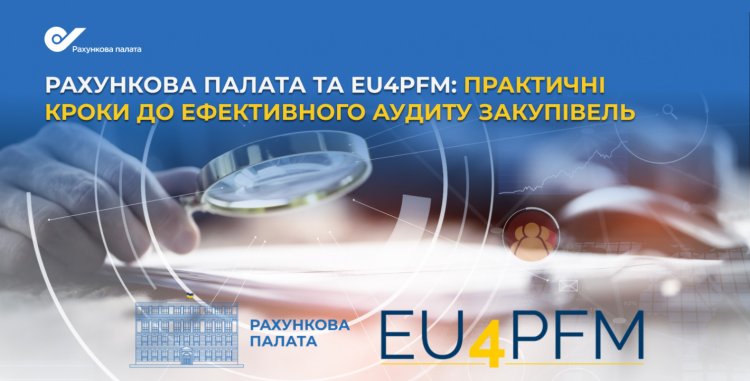
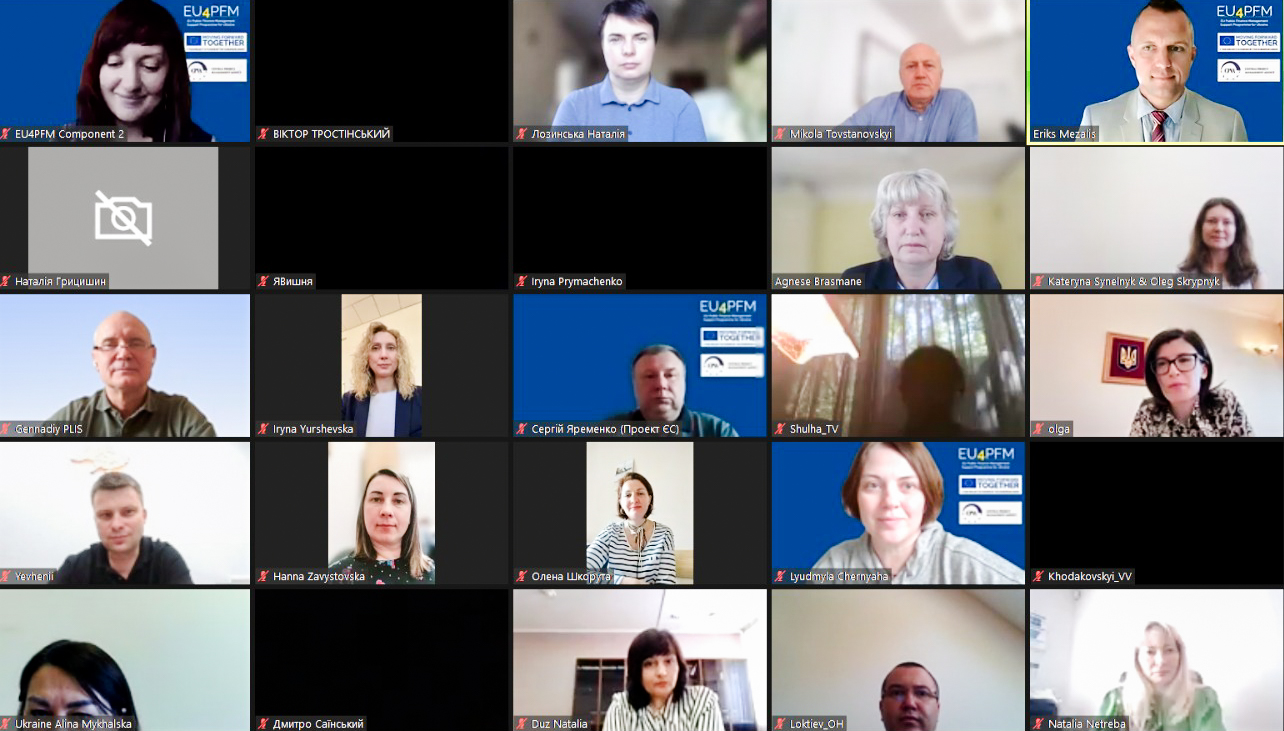
Specialists of the Accounting Chamber and experts of Component 2 "Public Procurement" of the EU4PFM Project discussed the application of methodological recommendations for the audit of public procurement. The discussion focused on practical cases, modern approaches and best international practices for conducting compliance audits in relation to public procurement. These recommendations were developed by the EU4PFM team specifically for the auditors of the Accounting Chamber. They do not replace the audit standards, methodology or procedures that govern the implementation of audits by the Accounting Chamber, but complement them and contribute to improving their quality.
The Head of the Accounting Chamber, Olga Pishchanska, emphasized during the meeting that the methodological recommendations cover all key stages of public procurement and are useful at the stages of planning and conducting compliance audits, during which, in particular, procurement control is carried out.
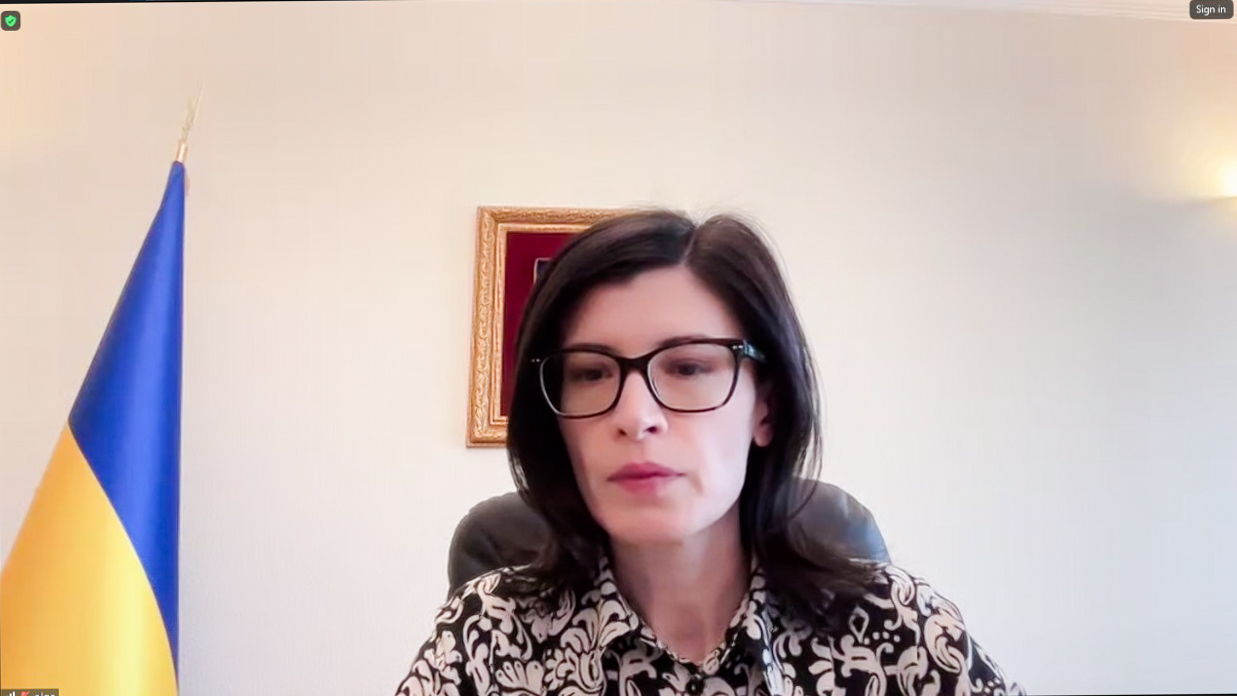
«Today, more than ever, it is important to provide the public with objective information about procurement management policies and the efficiency of spending state funds. These materials are useful for our auditors in the process of planning and conducting compliance audits, during which public procurement issues may also be considered. It is valuable for us that these recommendations take into account the approaches used by the SAIs of the EU member states, which is in line with Ukraine's desire to harmonize its regulatory framework in the field of procurement with European standards, – Olga Pishchanska noted.

The head of the EU4PFM expert group, Eriks Mesalis, confirmed the team's readiness to continue supporting public procurement reform in Ukraine. He emphasized that the Accounting Chamber plays an important role as an independent auditor, and its recommendations really have an impact on the transformation of the system.
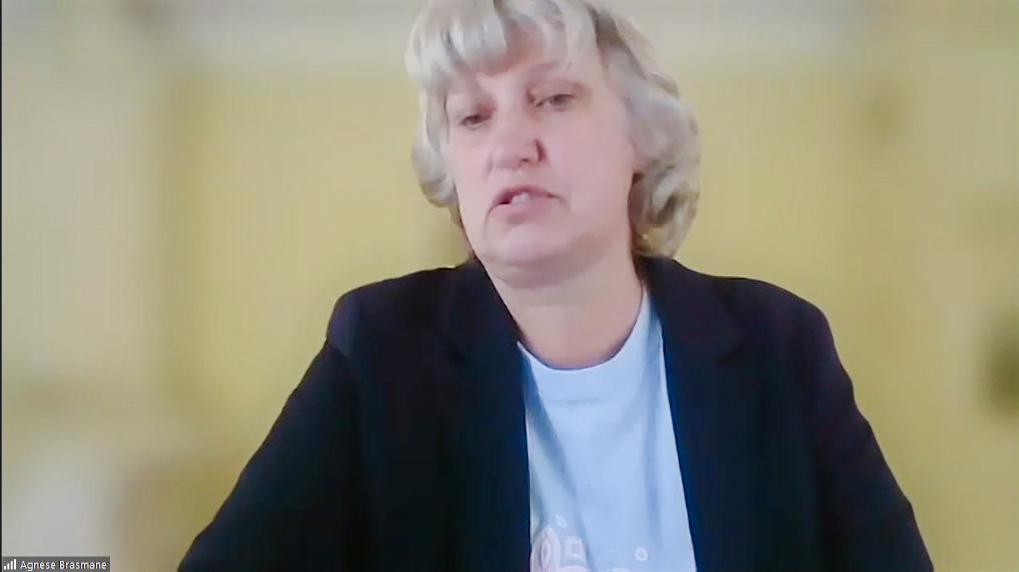
International audit expert Agnese Brashmane presented the structure of the document and its individual elements, in particular, the assessment of the state public procurement policy, the overall assessment of the management of the public procurement function of the auditee, the organization and documentation of the procurement process of the auditee, indicative procurement audit issues, key planning stages and audit risks. Ms. Agnese also drew attention to the opportunity to familiarize herself with the EU case law on procurement, which is given in the annexes to the recommendations.
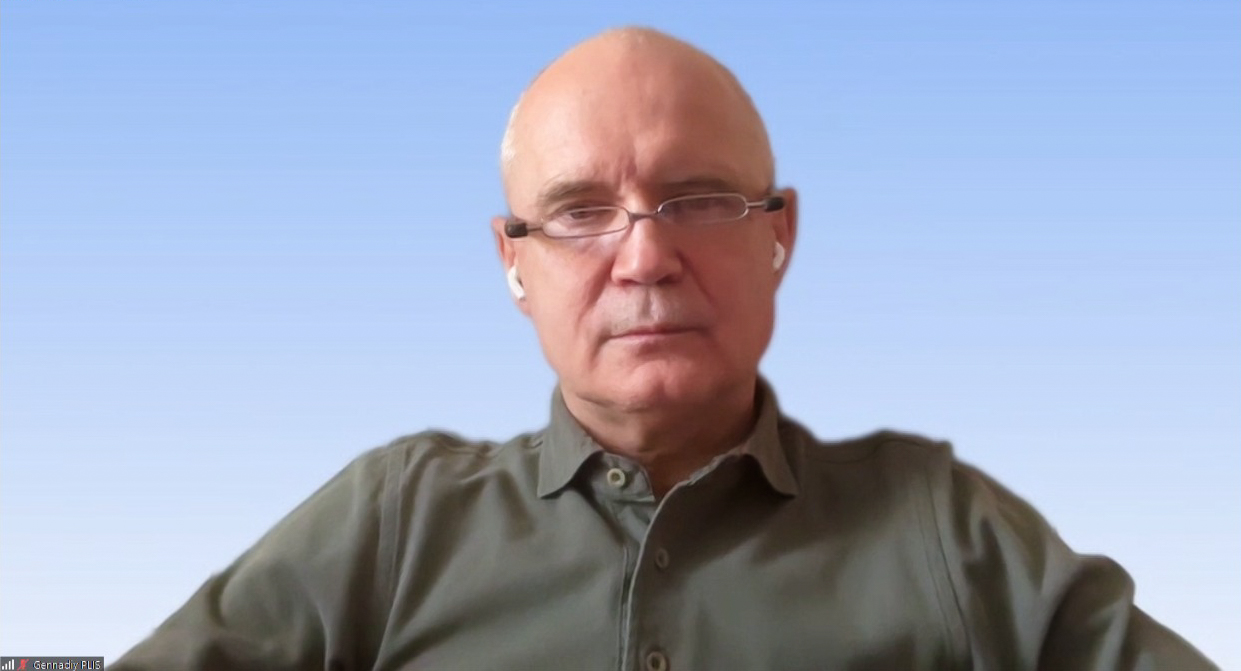
Accounting Chamber member Gennady Plis, following the event, thanked the experts for their professional support and noted that auditors are already using the recommendations in their work, noting the need for further improvement of the document in terms of prioritization of risks, taking into account its practical application.
As a reminder, the Accounting Chamber systematically analyzes the annual reports of the Ministry of Economy on the functioning of the public procurement system, and conducts procurement audits as a separate audit measure and as part of compliance audits.