Gap Between the Plan and Actual Needs: Analysis of the Execution of the State Budget for 2026 in the First Half of the Year

In the first half of 2026, financing of the state budget was largely dependent on international assistance, while additional funding remains necessary through the end of the year, primarily to meet the needs of the Armed Forces. This is stated, in particular, in the Opinion on the Results of the Analysis of the Execution of the Law on the State Budget of Ukraine for 2026 in the First Half of the Year.
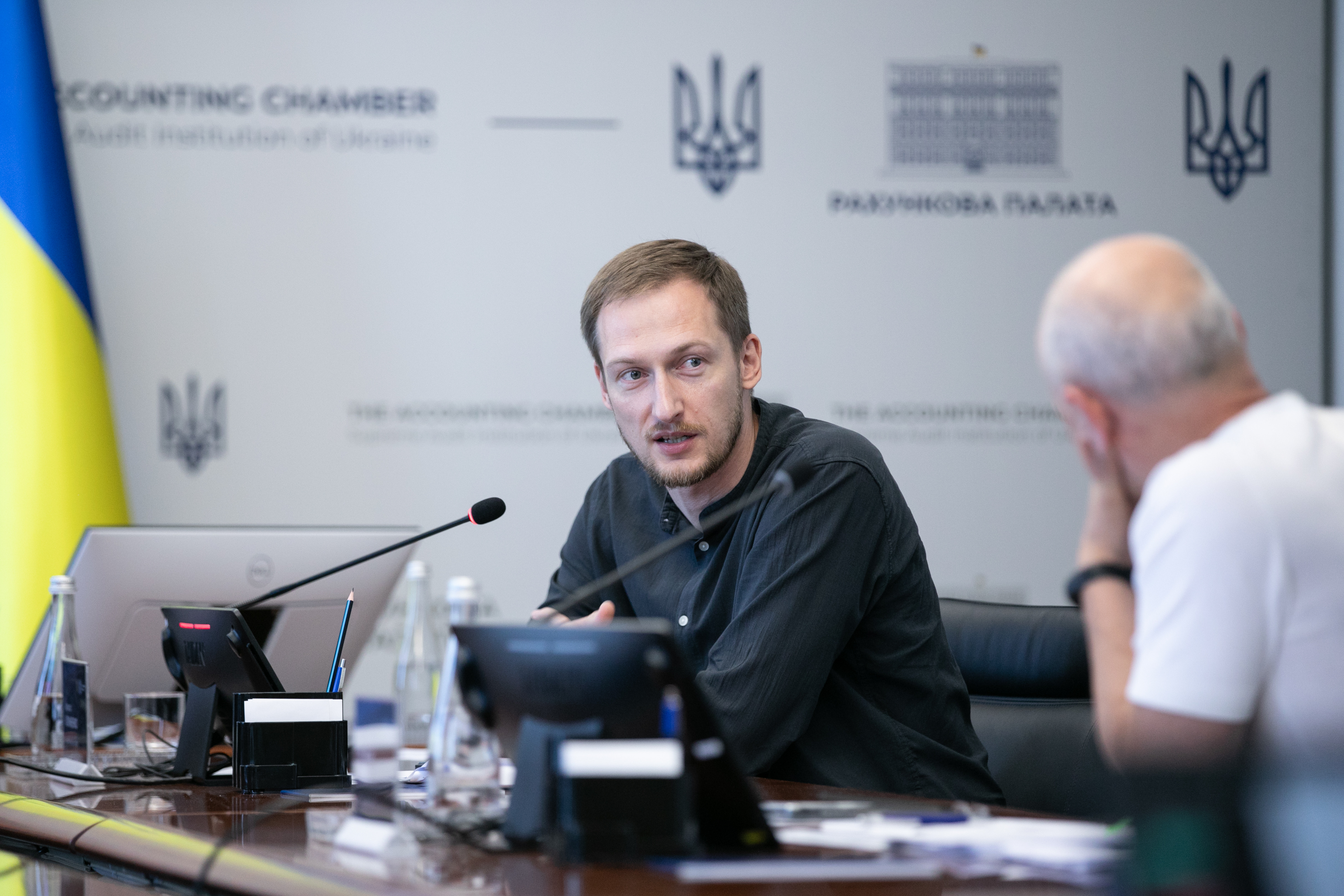
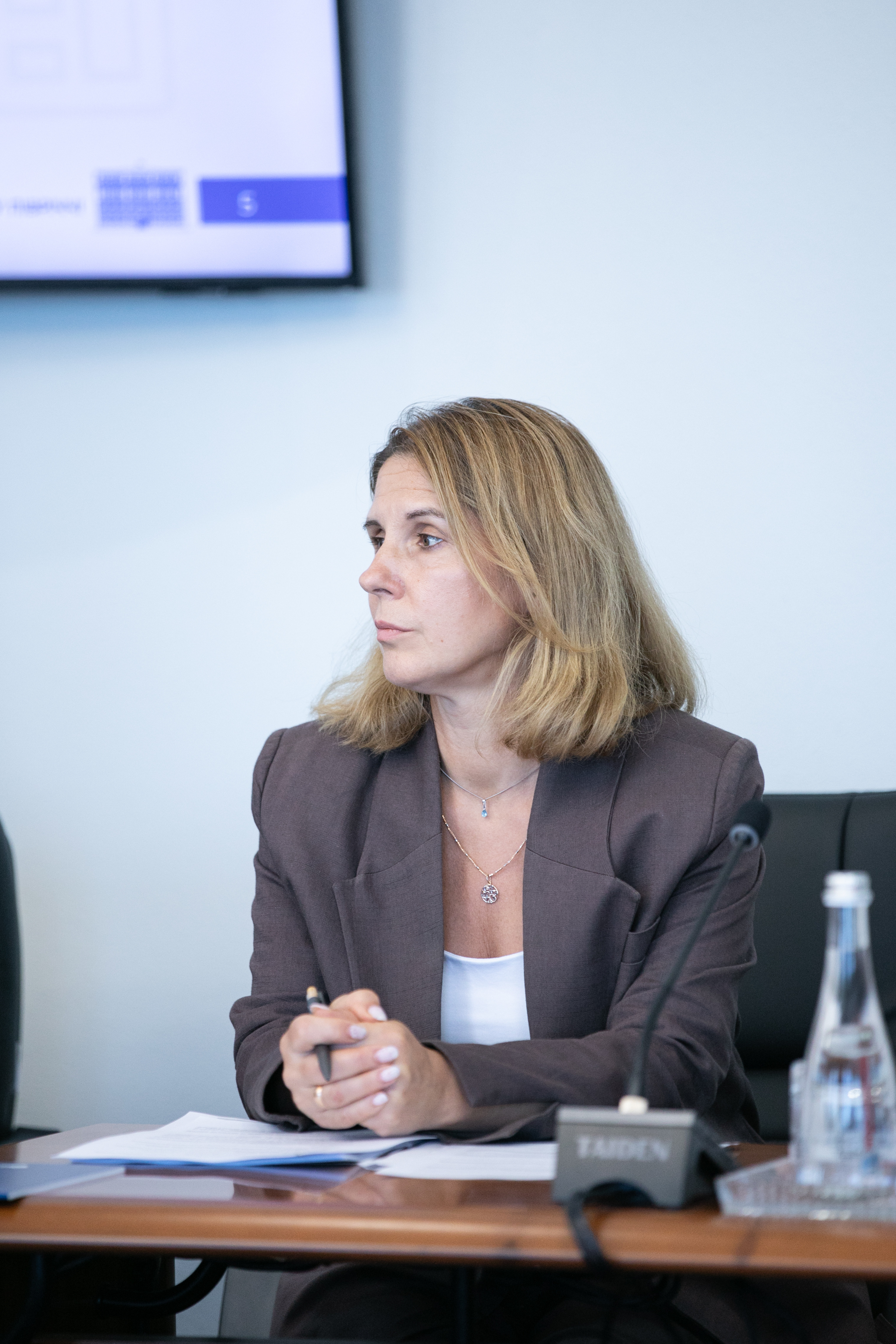
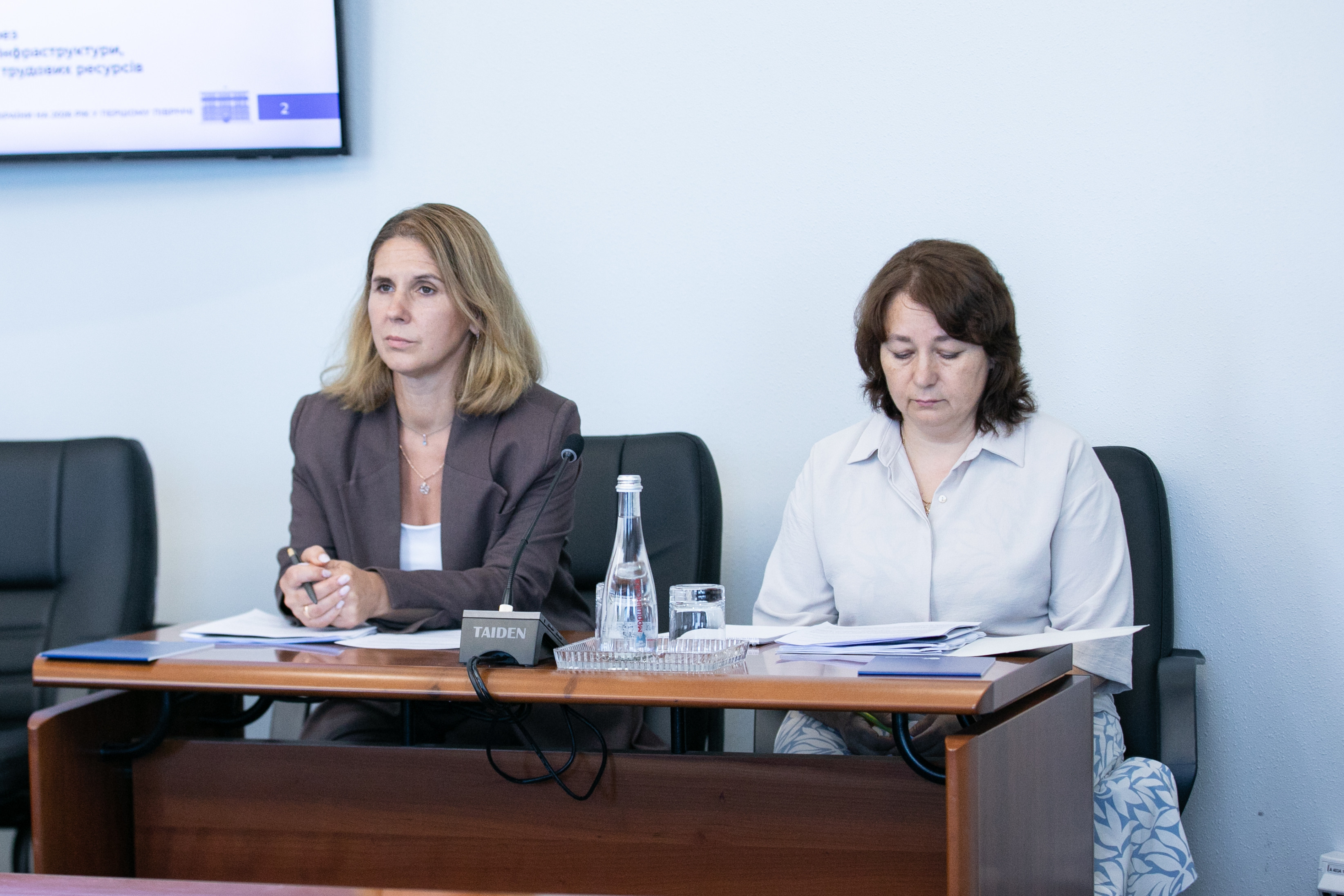
The Accounting Chamber approved the document at its meeting on 25 August. The control measure was overseen by Olha Pishchanska, Chairwoman of the Accounting Chamber of Ukraine.
STATE OF THE ECONOMY
Presenting the Opinion at the meeting, Olha Pishchanska, Chairwoman of the Accounting Chamber, noted that the destruction of infrastructure, energy constraints, logistical difficulties and labour shortages had a significant negative impact on the economy.
“According to the assessment of the Accounting Chamber of Ukraine, real GDP increased by less than 0.1%, compared with the 2.4% forecast used when the state budget was approved. The actual circumstances of budget execution differed from the indicators underpinning its planning. Overall, the economy showed almost no growth during the period, external financing was received irregularly, while some planned expenditures were below the planned levels,” Olha Pishchanska noted.
Economic activity in the first half of the year was supported by domestic trade, driven by increased domestic demand and household consumption, including as a result of a 22.7% increase in the average wage.
At the same time, contraction continued in sectors forming the backbone of the national economy: freight turnover in the transport sector decreased by 11%, construction output by 8.1%, and agricultural production by 1.6%.
Although keeping utility tariffs unchanged helped contain inflation to some extent, high rates of growth in producer prices for industrial products may subsequently lead to an increase in consumer prices. This increases the risk of inflation exceeding the forecast level in subsequent periods.
External economic conditions also contributed to increased currency risks. Imports of goods and services increased by 21.7%, while exports grew by 5.2%. The trade balance deficit reached USD 35.6 billion, or 80.1% of the forecast amount for the full year.
STATE BUDGET REVENUES
In the first half of 2026, UAH 2.5 trillion was received by the state budget (almost UAH 6 trillion was planned for the year as a whole). Revenue levels were affected by shortfalls in loans and grants from international partners. For example, UAH 262.1 billion in revenues under the EU Enhanced Cooperation Mechanism to support the country’s defence capabilities and security was expected in June but was received in July.
Factors negatively affecting budget revenues included:
- an increase in VAT refunds – UAH 33.3 billion;
- a shortfall in customs revenues – UAH 8.5 billion;
- an increase in tax arrears – UAH 7.7 billion.
The amount of overpayments of taxes and fees also increased, creating a significant risk of shortfalls in revenue in subsequent periods.
According to the assessment of the Accounting Chamber of Ukraine, taken together, these factors create a risk that certain revenues will fall short of the annual target by 9%.
STATE BUDGET EXPENDITURE
In the first half of the year, state budget expenditure amounted to UAH 2.832 trillion. Of this amount, UAH 1,957.3 billion was expenditure by the key spending units of the security and defence sector. One-third of this amount – UAH 670.7 billion – was spent on military personnel remuneration.
At the same time, according to the assessment of the Accounting Chamber of Ukraine, the actual need for expenditure on military personnel remuneration through the end of the year exceeds the amount planned for 2026 by UAH 265 billion. Additional resources are required to finance these payments.
At the same time, general fund expenditure was UAH 210.8 billion, or 8.6%, below the plan for the first half of the year. Of this amount, UAH 143.6 billion also related to the key spending units of the security and defence sector. The reasons for lower expenditure included changes in procurement priorities in response to the operational situation, a limited number of suppliers, and other factors.
Approximately UAH 143 billion from the general fund of the state budget was allocated as transfers to local budgets, UAH 2.5 billion less than planned for the first half of the year. UAH 184 billion was allocated to servicing the public debt, UAH 1.7 billion less than planned.
Expenditure under the following budget programmes was also below the planned level:
- the Ministry of Social Policy, Family and Unity – by UAH 19 billion;
- the Ministry of Health – by UAH 8.2 billion;
- the Recovery Agency – by UAH 5.1 billion.
PUBLIC INVESTMENT PROJECTS
The execution rate for expenditure and lending planned for the implementation of public investment projects remains extremely low. Of the UAH 62.4 billion planned for the first half of the year, only UAH 16.1 billion was spent or provided as loans. This is 74.3% below the amount planned for the period.
The largest shortfall was recorded under special fund programmes, implemented, among other things, using grants and loans from international partners. Of the UAH 44 billion planned, UAH 5.7 billion was spent or provided as loans, which is 87.1% below the plan.
The reasons include untimely management decisions, delays in procurement and approval of documentation, the security situation, and the loss of relevance of certain projects. Such delays increase the risk that the planned expenditure under these projects will not be fully executed by the end of the year.
BUDGET FINANCING, PUBLIC AND PUBLICLY GUARANTEED DEBT
Receipts for financing the state budget in the first half of the year amounted to UAH 704.6 billion – almost UAH 500 billion, or 41.5%, below the plan. The main reason was the under-execution of the plan for external government borrowing.
In addition, the timing of external financing reflected adjustments to the financing schedules agreed with international partners. At the same time, the budget expenditure schedule was not adjusted accordingly on a monthly basis.
The shortfall in external borrowing was partially offset by domestic resources. As a result, domestic borrowing exceeded the plan by 33.2%, while UAH 204.4 billion was drawn from the Single Treasury Account to cover temporary cash-flow gaps (no such source of financing had been planned for the first half of the year).
The total amount of public and publicly guaranteed debt increased by UAH 448.1 billion, or 5%, over the six-month period, reaching UAH 9.4908 trillion. The main factors behind the increase were borrowing exceeding debt repayments by UAH 210.3 billion and an increase in the hryvnia equivalent of the debt by UAH 252.5 billion due to exchange rate fluctuations.
The share of debt denominated in foreign currency increased from 76.4% to 80%. Given this structure, exchange rate fluctuations will increase the risks of higher debt and higher budget expenditure on debt repayment and servicing.
INTERGOVERNMENTAL TRANSFERS AND LOCAL BUDGETS
Local budget revenues in the first half of the year amounted to UAH 453.4 billion, an increase of UAH 85 billion, or 23.1%, compared with the same period in 2025. The increase was driven primarily by higher receipts of subventions from the state budget and personal income tax.
Local budgets received UAH 144.3 billion in transfers, and their share of local budget revenues increased from 28.1% to 31.8%. Thus, almost one-third of community revenues came from the state budget. This indicates increased financial dependence of local budgets on transfers.
Local budget expenditure amounted to UAH 404.5 billion. At the same time, due to the Government’s failure to approve, or its partial approval of, the allocation of funds, UAH 833 million allocated to provide housing for family-type children’s homes and UAH 600 million allocated to modernise workshops and laboratories of vocational and professional pre-higher education institutions were not financed.
Cash balances in the accounts of local budgets and budgetary institutions increased by UAH 36.1 billion since the beginning of the year, reaching UAH 133.4 billion. Of this amount, UAH 21 billion represented unused subventions.
Thus, the execution of transfers was constrained by two issues: for some programmes, the Government did not approve the allocation of funds in a timely manner, while some subventions that had already been provided remained in accounts due to delays in implementing the relevant measures.
RECOMMENDATIONS
Based on the analysis, the Accounting Chamber of Ukraine provided recommendations to the Cabinet of Ministers of Ukraine, the Ministry of Finance of Ukraine and the State Property Fund of Ukraine aimed at ensuring stable budget financing, more efficient use of funds and reducing budgetary risks. In particular, it recommended:
- ensure compliance with the schedules and conditions for fulfilling commitments to ensure the timely receipt of international financial assistance, including under the Ukraine Facility programme;
- prevent the allocation of reserve fund resources to measures that do not fall within its intended purpose;
- accelerate the use of loan resources for public investment and review projects whose implementation is no longer feasible;
- ensure the allocation of transfers provided for in the state budget among local budgets;
- update the state budget revenue forecast, taking into account the risks of revenue shortfalls;
- review expenditure under budget programmes with low execution rates and redirect the available resources to the state’s priority needs;
- clarify the funding needs for military personnel remuneration through the end of 2026 and identify the sources of funding to cover them;
- ensure the settlement of overdue accounts payable and receivable and prevent the accumulation of new arrears;
- ensure the achievement of the planned revenue targets from the privatisation of state property.
The Opinion on the Results of the Analysis of the Execution of the Law of Ukraine “On the State Budget of Ukraine for 2026” in the First Half of the Year and the relevant decision of the Accounting Chamber of Ukraine will be submitted to the Verkhovna Rada of Ukraine, the Verkhovna Rada Committee on Budgetary Matters, with a recommendation for consideration at a Committee meeting, the Cabinet of Ministers of Ukraine and the Ministry of Finance of Ukraine, and published on the official website of the Accounting Chamber of Ukraine.