Cooperation between internal and external audit: Ukrainian and international experience discussed in Kyiv
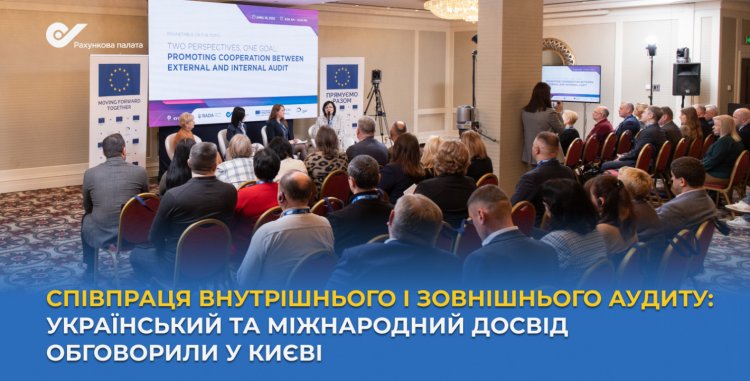
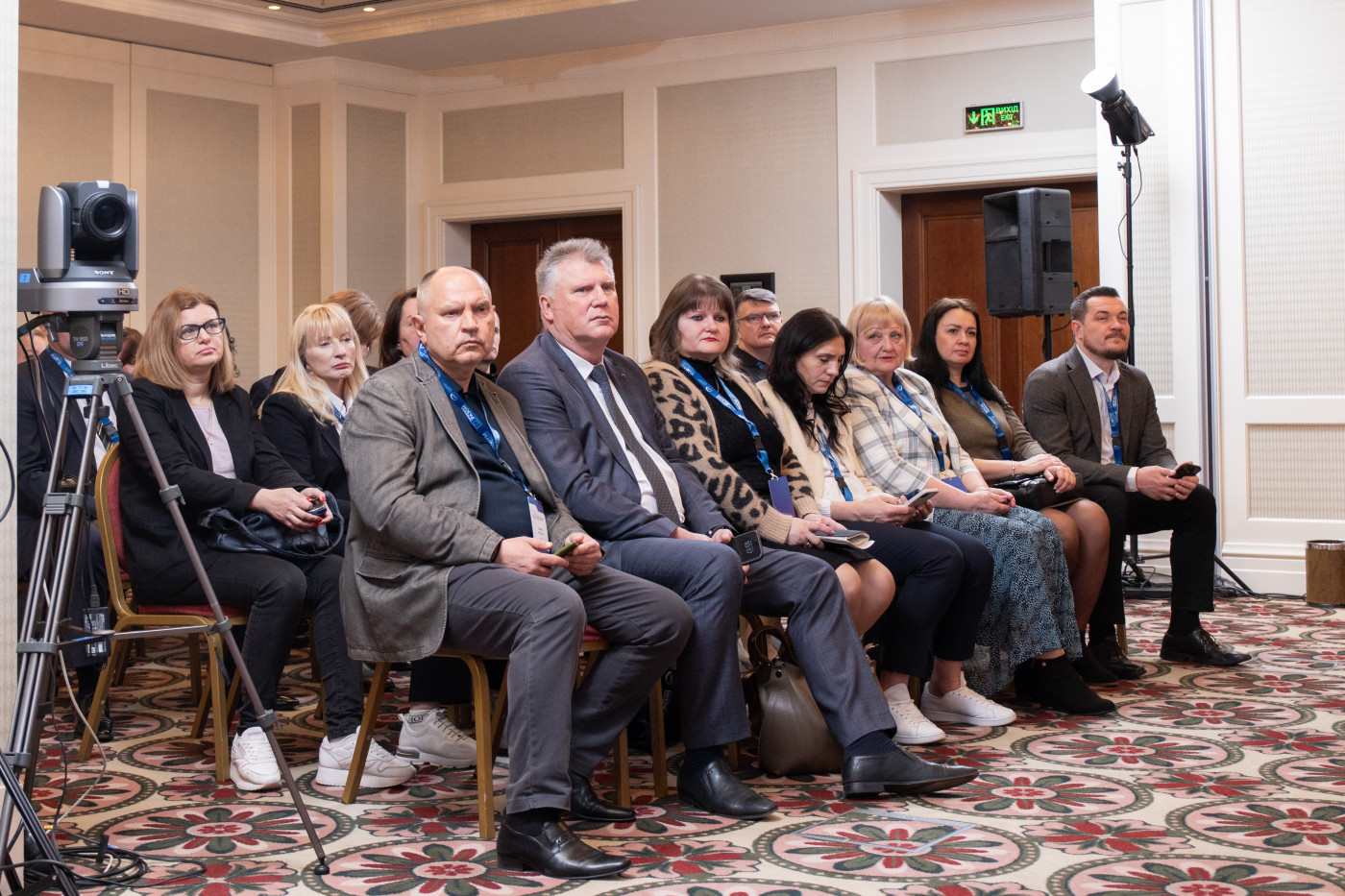
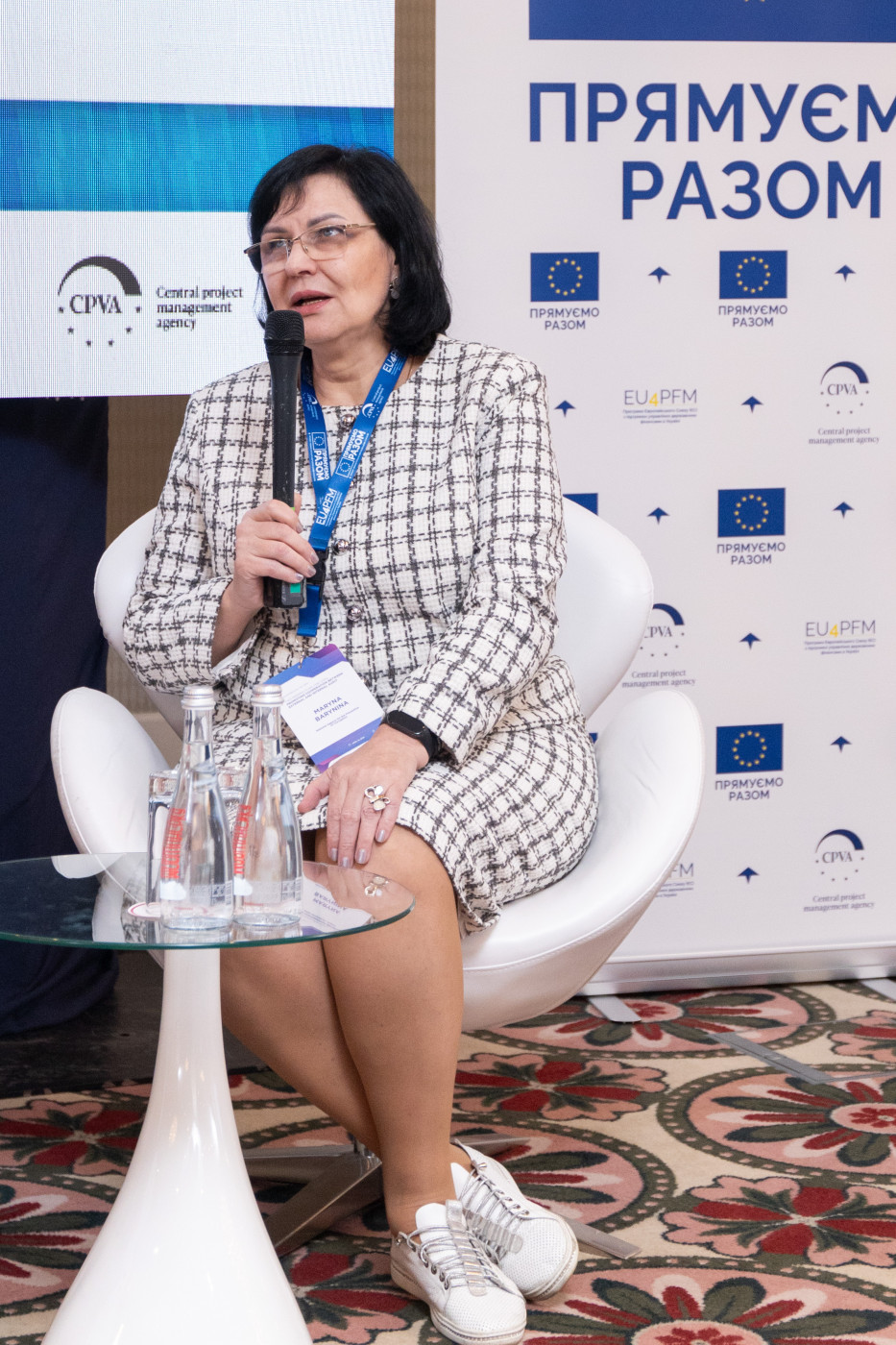
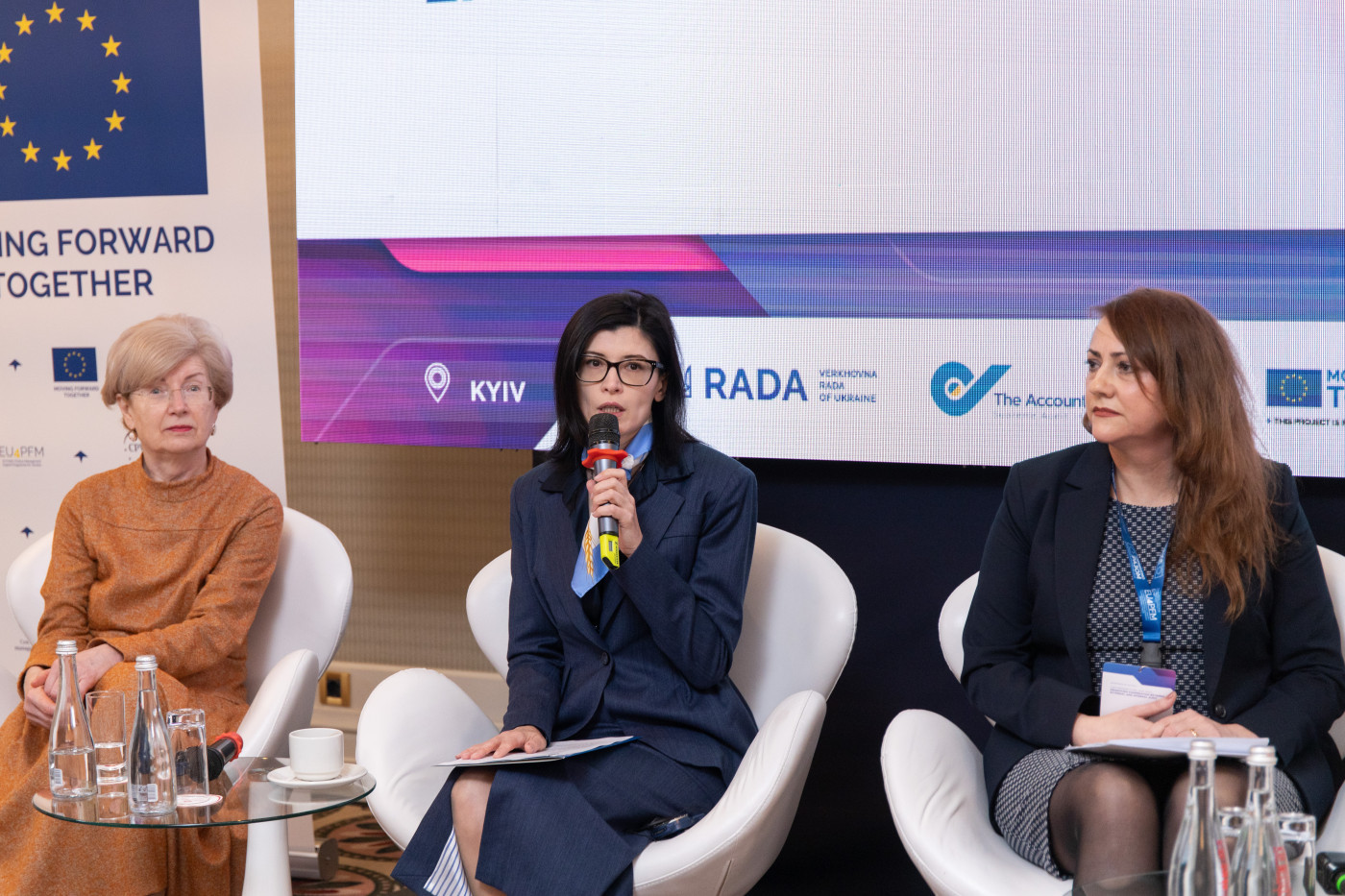
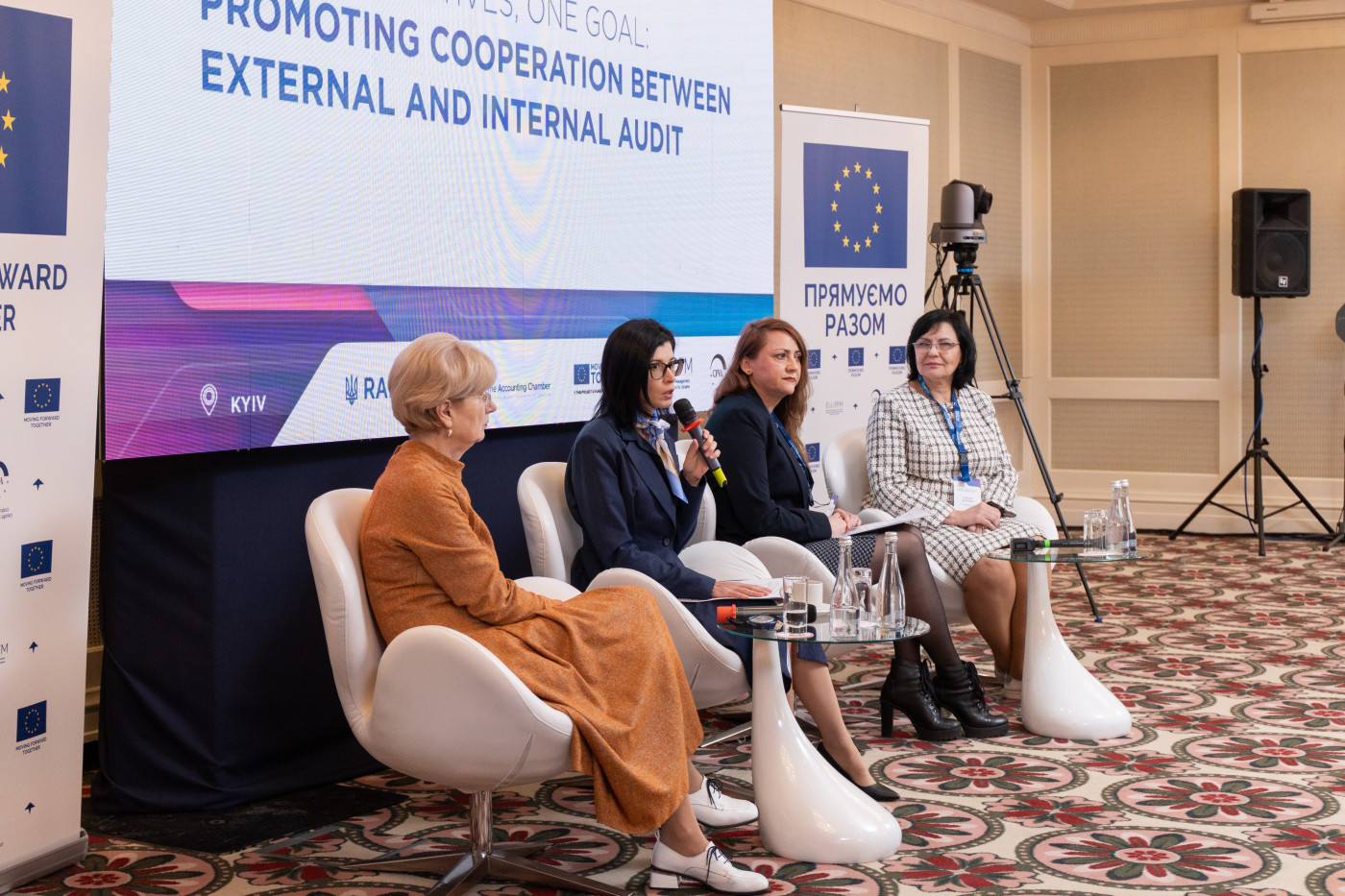
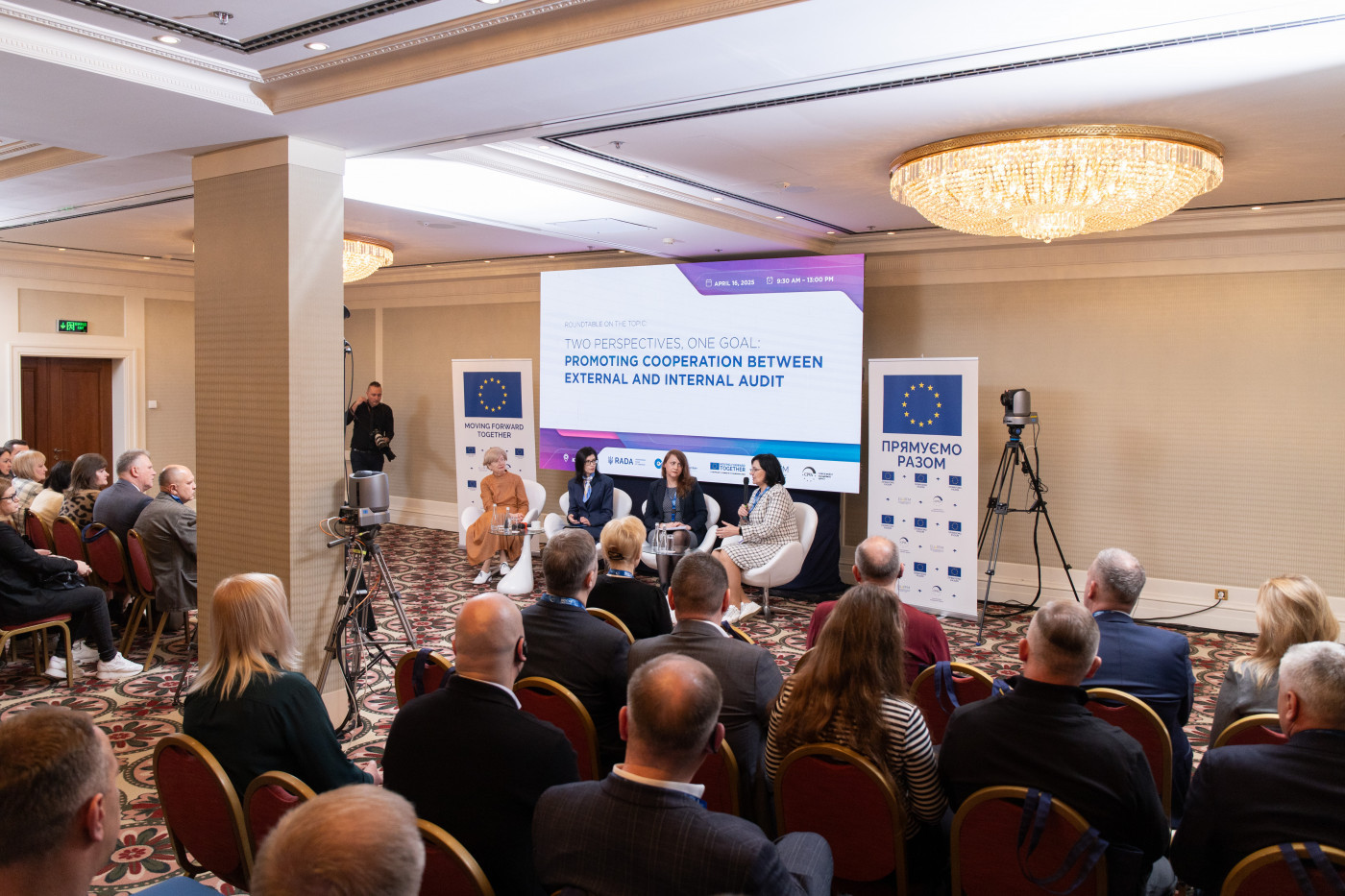
The advantages and challenges of cooperation between internal and external auditors were discussed on April 16 at the forum «"Two perspectives, one goal: promoting cooperation between external and internal audit», organized with the support of the EU4PFM Project (the European Union Program to Support Public Finance Management in Ukraine). The event was attended by representatives of state institutions, domestic and foreign experts.
The Head of the Accounting Chamber Olga Pishchanska, among other things, emphasized that the institution has carried out significant work to harmonize its activities with international standards. In particular, the Accounting Chamber's quality control system has already implemented elements such as cold review and hot review, which contribute to the improvement of audit work, the internal development of the institution and its self-organization.
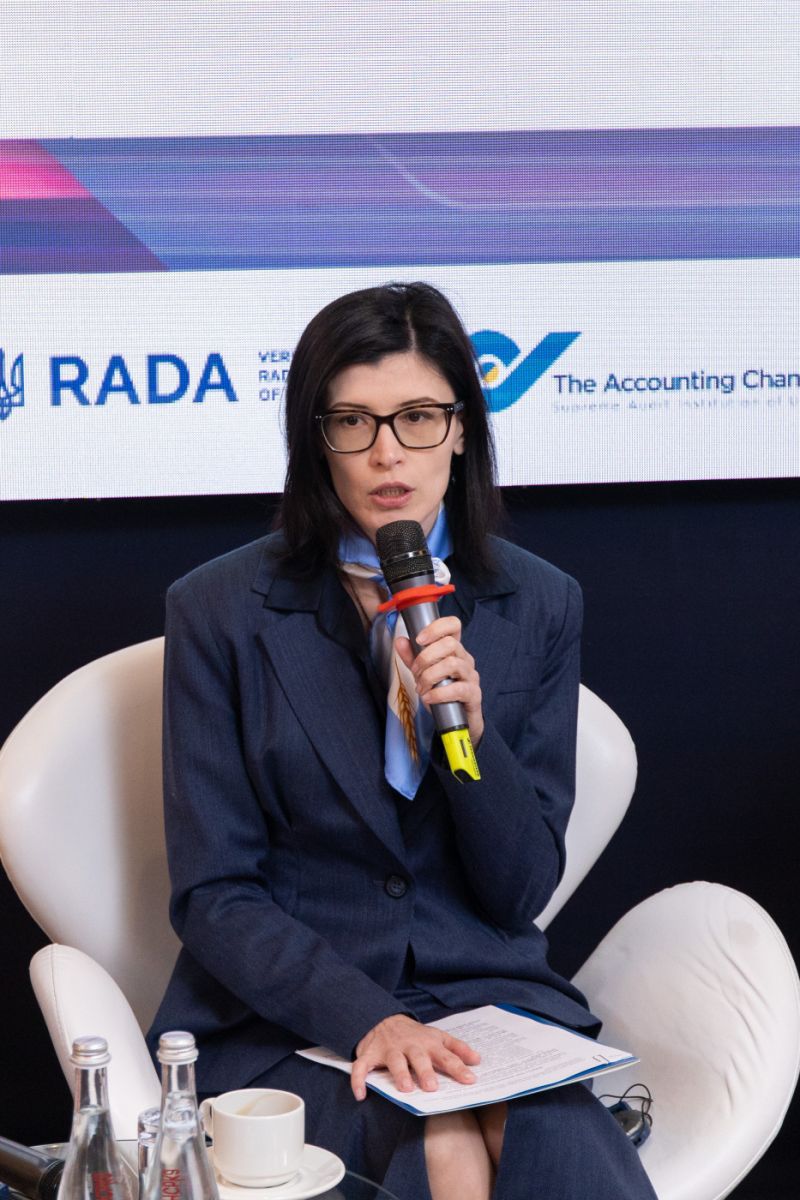
«We have many plans for cooperation between all components of the financial control system in Ukraine. This is not just communication, it is a single process, and the Accounting Chamber, the State Audit Service, and internal audit are its integral parts. How each of these components is set up, how knowledge and information are exchanged, depends on how this entire system will work,"– noted />
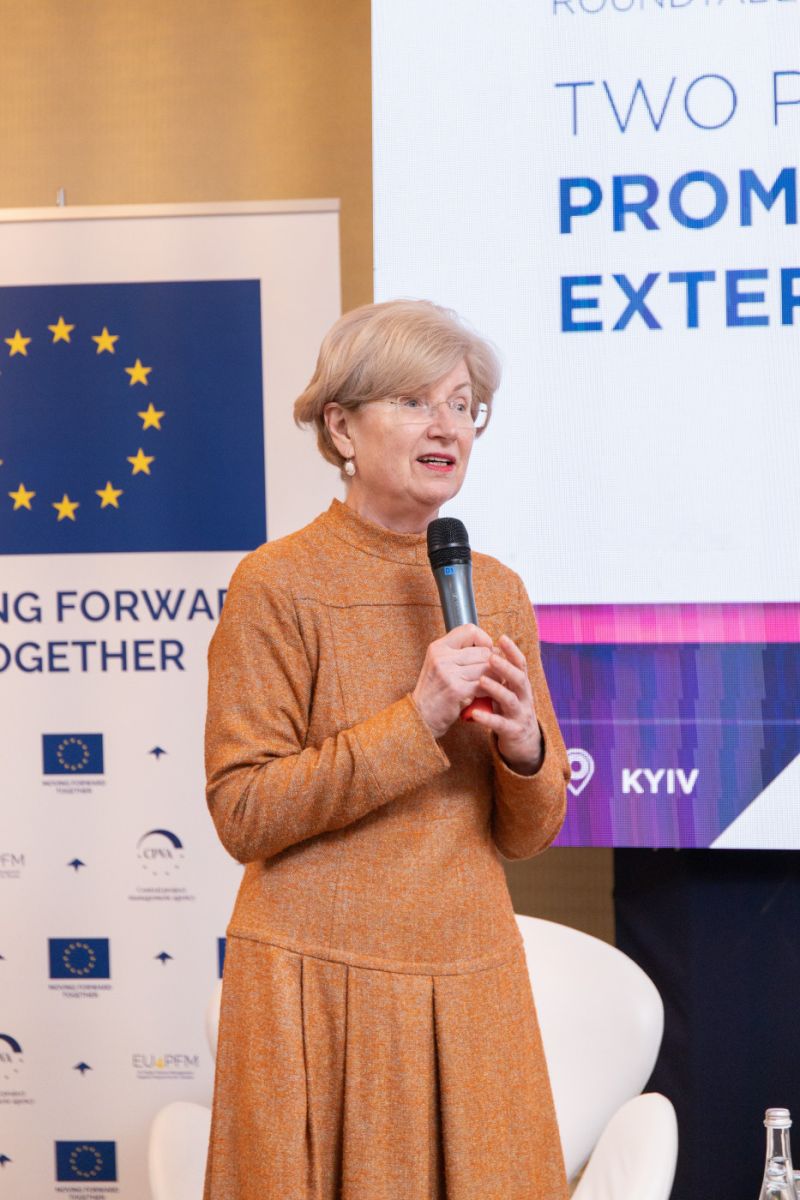
Head of the EU4PFM component Inguna Sudraba noted that cooperation between external and internal audit will be effective with the assistance of both authorities and financial management. International expert on public internal financial control Component «Modernization of the Budget Process» EU4PFM Manfred van Kesteren added that both parties to this collaboration can benefit from it, internal auditors can also use the results of the external audit.
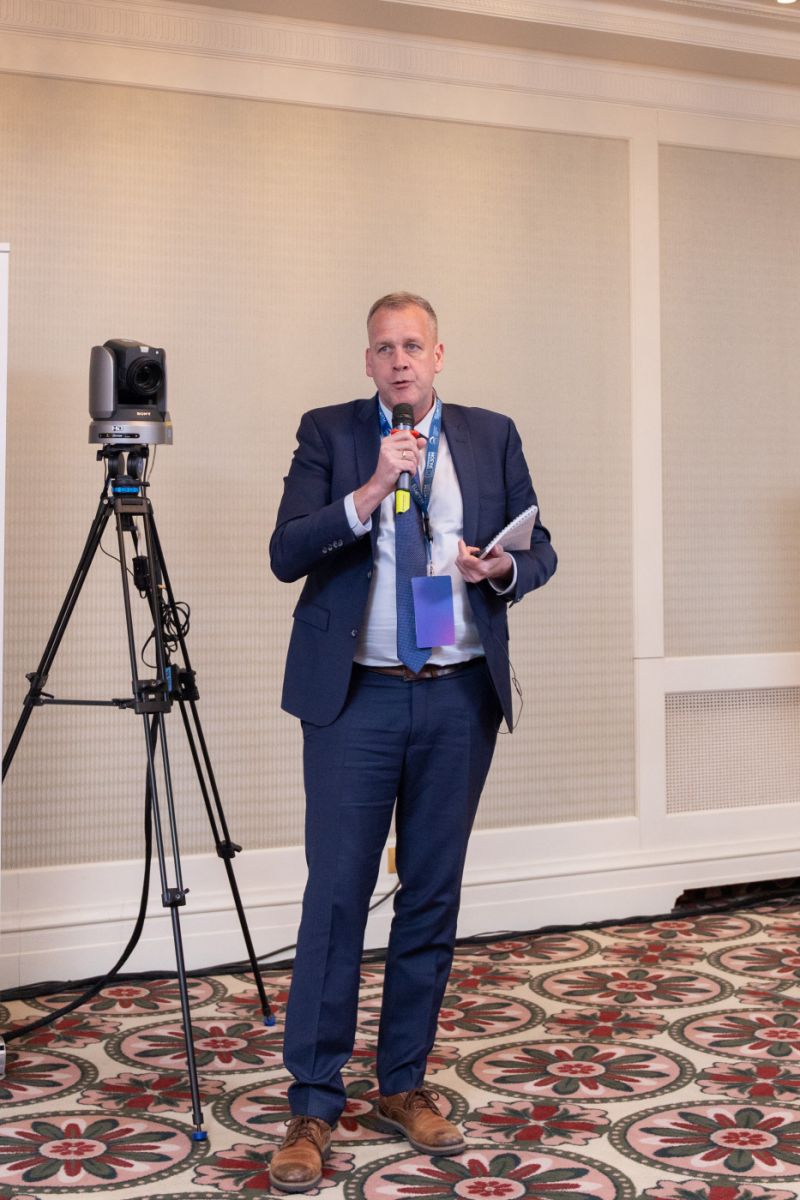
During the forum, the approach to the interaction of external and internal audits in European countries was presented by Soledad Llamas Tator, Chair of the ECIIA* and EUROSAI Cooperation Committee, Director of Internal Audit, Risk Management and Internal Control of a Municipal Water Supply Company (Madrid, Spain). The expert familiarized the participants with the results of a survey on the features of such cooperation.
In turn, Ingrida Kalnina-Junga, Head of the Audit Sector of the State Audit Office of Latvia, shared her experience of the interaction of auditors from different fields, talking about benefits and possible risks.
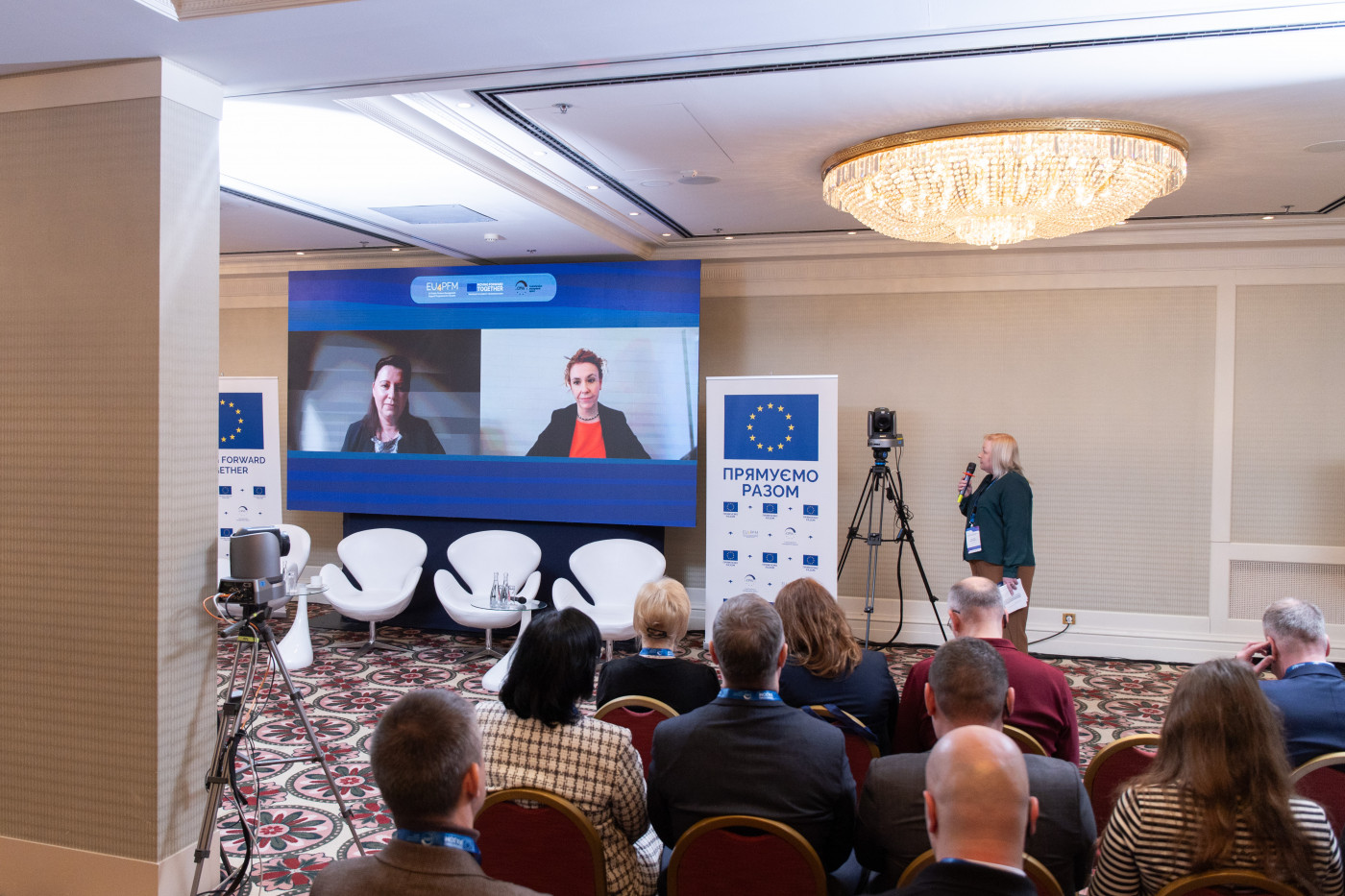
Cooperation between external and internal auditors is effective at all major stages of activity – both directly during audits, and at the stages of their planning and implementation of recommendations, – The results of the forum were summarized by its moderator, head of the internal control coordination sector of the Accounting Chamber, Tetyana Borovkova.
*ECIIA (European Confederation of Institutes of Internal Auditing) – European Confederation of Institutes of Internal Auditing.