Resilience of Agricultural Production to Droughts: Irrigation Covers Less Than 15% of the Design Area
The development of the state water management and reclamation complex is a prerequisite for adapting agriculture to climate change, restoring territories affected by military aggression, and strengthening Ukraine's food security.
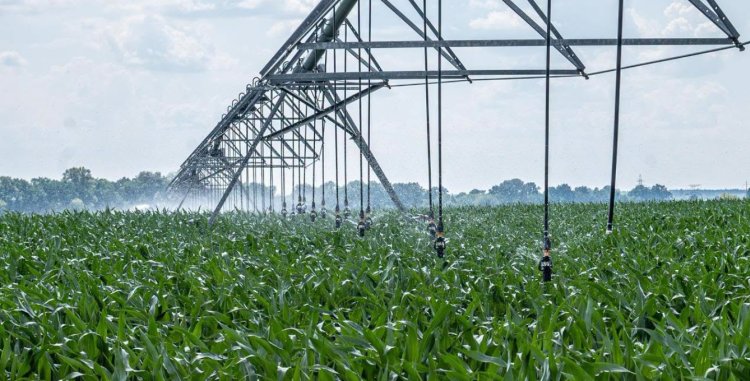
Our state has significant reclamation potential, but uses it only partially. In 2024-2025, actual irrigation covered less than 15% of the available design area of state irrigation systems.
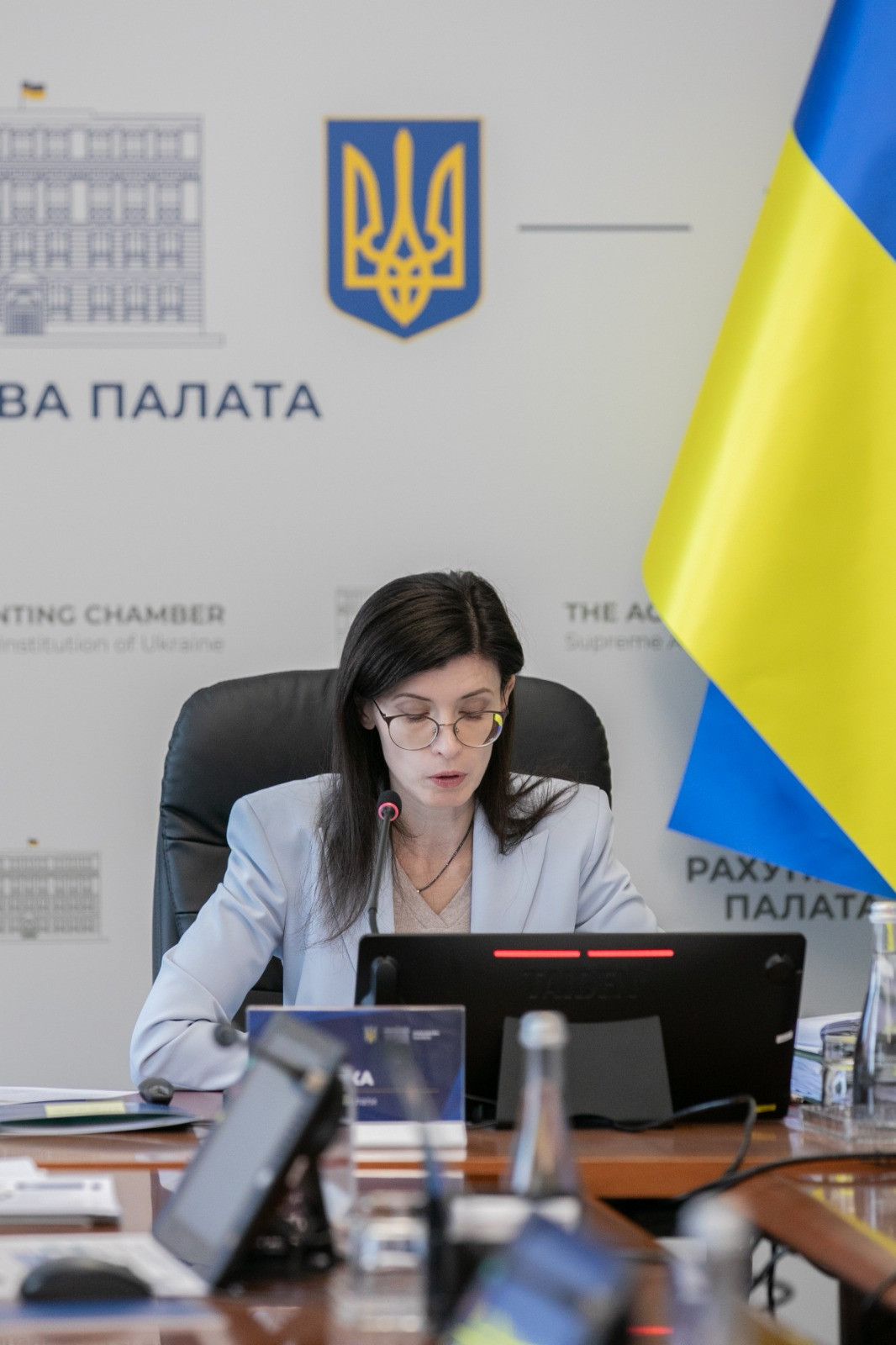
The Accounting Chamber of Ukraine assessed how effectively and efficiently the executive authorities ensured the operation, restoration and modernization of reclamation systems. The report on the results of the performance audit on Operation of State Water Management Facilities for Complex Purposes and Inter-Farm Irrigation and Drainage Systems was approved on 28 July. Deputy Chairman of the Accounting Chamber of Ukraine Serhii Kliuchka is responsible for the audit.
.jpeg)
Period covered by the audit: 2024-2025.
IRRIGATION POTENTIAL IS UNDERUTILIZED
The Institute of Water Problems and Land Reclamation estimates that 18,65 million hectares or 60% of arable land in Ukraine have insufficient moisture supply. The situation was aggravated by the consequences of the full-scale military aggression of the Russian Federation, particularly the loss of the Kakhovka reservoir in 2023.
The state has defined strategic goals for the restoration, modernization and development of irrigation and drainage systems. However, their implementation is limited by insufficient funding, high energy intensity of water supply, depreciation of fixed assets and incomplete delineation of responsibilities between executive authorities.
There is a significant difference in the performance of irrigation and drainage systems. While drainage systems were used on 98,4% of the design area (2,6 million hectares),irrigation systems were used much less. Thus, 253 irrigation systems with a total design area of 791,8 thousand hectares are located in the controlled territory.
According to the auditors' findings, the main causes of the failure to irrigate the lands in 2025 were:
- absence of applications from water users: 49% of non-irrigated areas;
- malfunction of irrigation networks and structures: 26%;
- lack of irrigation sources: 15%.
GAPS IN MANAGEMENT AND METERING
One of the systemic factors limiting the restoration and modernization of the reclamation complex was the incomplete transfer of the relevant infrastructure from the State Agency of Water Resources to the State Agency of Reclamation and Fisheries.
The Cabinet of Ministers of Ukraine adopted the relevant decision in 2021. The transfer of systems from one agency to another began in August 2022.
As of the end of 2025, 99 out of 253 irrigation systems located in the controlled territory were transferred to the jurisdiction of the State Agency of Reclamation and Fisheries, or 39,1% of the total number. The remaining systems continued to be accounted for under jurisdiction of the State Agency of Water Resources. This arrangement complicated the state property management, expenditure planning and the transfer of systems to water user organizations.
A significant gap is the fact that Ukraine has still not approved a comprehensive list of state land reclamation systems, nor completed their inventory and certification. The centralized data system for tracking accounting the technical condition and utilization of these assets during the audit period was also not operational.
WEAR AND TEAR AND WATER LOSS
In 2025, 45,5% of irrigation systems located in the territory controlled by Ukraine were technically faulty, or for other reasons could not provide irrigation. In particular, 30 systems could not be used due to the lack of suitable water sources.
The average level of wear and tear of all systems was approximately 73%, reaching 97-100% at certain facilities.
Due to the lack of metering equipment, the state does not have metering data on used water. At certain facilities, this indicator was determined by the amount of electricity consumed by pumping stations, which affects the reliability of such metering.
The Accounting Chamber of Ukraine determined the analytical benchmark of water loss during its transportation at the level of about 20% of the total water intake. At the same time, in the system of the State Agency of Reclamation and Fisheries, the overall indicator on individual systems reached 38-71%. In 2025, technological losses within the scope of the State Agency of Water Resources amounted to 35,3%.
Incomplete metering and different approaches to reporting make it difficult to identify the causes of losses and plan measures to reduce them. Furthermore, the lack of a unified methodology for setting tariffs for services in the field of reclamation limits the comparability of indicators and the ability to assess objectively the cost-efficiency of the operation of systems.
For instance, the State Agency of Reclamation and Fisheries’s actual average irrigation costs per hectare in 2024 more than doubled the planned figure, while in 2025 they exceeded it by 24%. For example, in the Voznesensk Interdistrict Water Management Department, irrigation costs per hectare in 2025 amounted to UAH 296 thousand which is almost 37 times higher than the planned average indicator of the State Agency of Reclamation and Fisheries.
RESTORATION AND MODERNIZATION: VOLUMES ARE MUCH LOWER THAN REQUIRED
Funding for the restoration of land reclamation systems in 2024-2025 was complicated by misalignment between the authorities' mandates and their access to financial resources. The State Agency of Reclamation and Fisheries was responsible for the implementation of the state policy in the field of reclamation but did not have access to the State Fund for Water Development. The State Agency of Water Resources had such access, although it no longer performed the relevant functions.
As a result, the financial mechanism provided for the reconstruction and modernization of land reclamation systems during the audit period did not actually ensure the achievement of the defined goals.
Capital expenditures, excluding Japanese grant support, covered 0,5% of the identified need in 2024 and 0,4% in 2025.
In 2024, the State Agency of Reclamation and Fisheries proposed allocating UAH 1 billion under the new program «Reconstruction and Restoration of Reclamation Systems» in the Budget Request for 2025-2027. The implementation of the planned measures was to increase the area of actual irrigation by 13 thousand hectares and increase the reliability of the systems by another 8,6 thousand hectares. The state budget did not provide funds for this program.
In 2024-2025, the Department of Water Management of the State Agency of Reclamation and Fisheries also received equipment and components from the Government of Japan with a total value of UAH 339,6 million. This assistance partially covered the needs of the Departments for material and technical resources.
At the same time, 20 received cars worth UAH 32,4 million were not used for more than a year due to the lack of certificates of compliance with Ukrainian standards.
STATE SUPPORT HAD LIMITED IMPACT
The ability to use irrigation systems also depends on the availability of watering equipment among agricultural producers. Its high cost and significant need for previous investments limit the upgrade of the relevant equipment.
In 2024-2025, the state supported agricultural producers in two main areas.
The first one provided compensation of 25% of the cost of irrigation and watering equipment of domestic production. It was used by 42 agricultural producers, who purchased 221 units of machinery and equipment.
UAH 14 million was allocated in 2024 and UAH 38,4 million – in 2025 to compensate the cost of irrigation and watering equipment.
The second area concerned the support of agricultural producers using reclaimed land and water user organizations.
For these purposes, in 2024-2025, UAH 396.9 million was provided. In fact, they financed UAH 73,4 million, or 18% of the planned volume. Another UAH 150 million UAH was reallocated and 173,5 million UAH remained unspent.
The area of land where reconstructed or newly built land reclamation systems were put into operation equalled 44% of the plan in 2024 and 49% in 2025.
Participation in the program was constrained by the need for pre-financing of works, the complexity of project preparation, the cost of environmental impact assessment, the location of part of the systems in occupied and mined areas or areas without available water sources, as well as the limited financial capacity of potential recipients.
CONCLUSIONS AND RECOMMENDATIONS
The state has and maintains a large-scale reclamation infrastructure, but actual irrigation covers only one-seventh of the available design area. At this level of utilization, directed significant resources are only partially converted into a significant result, contributing to the development and sustainability of agricultural production and enhancing food security.
Based on the audit findings, the Accounting Chamber of Ukraine provided recommendations, the implementation of which is intended to create conditions for the shifting from the predominant maintenance of the existing infrastructure to its effective management.
.jpeg)
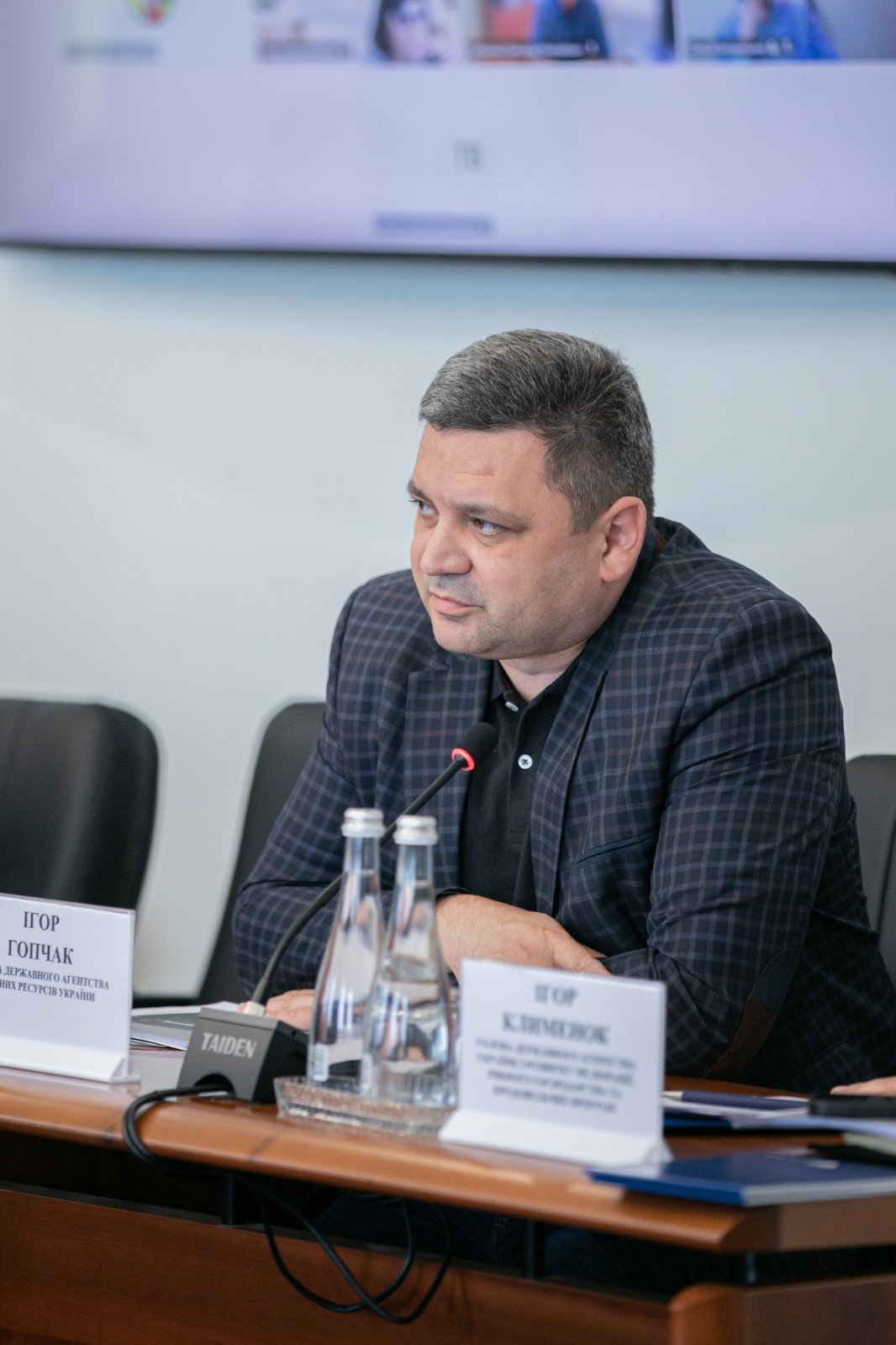
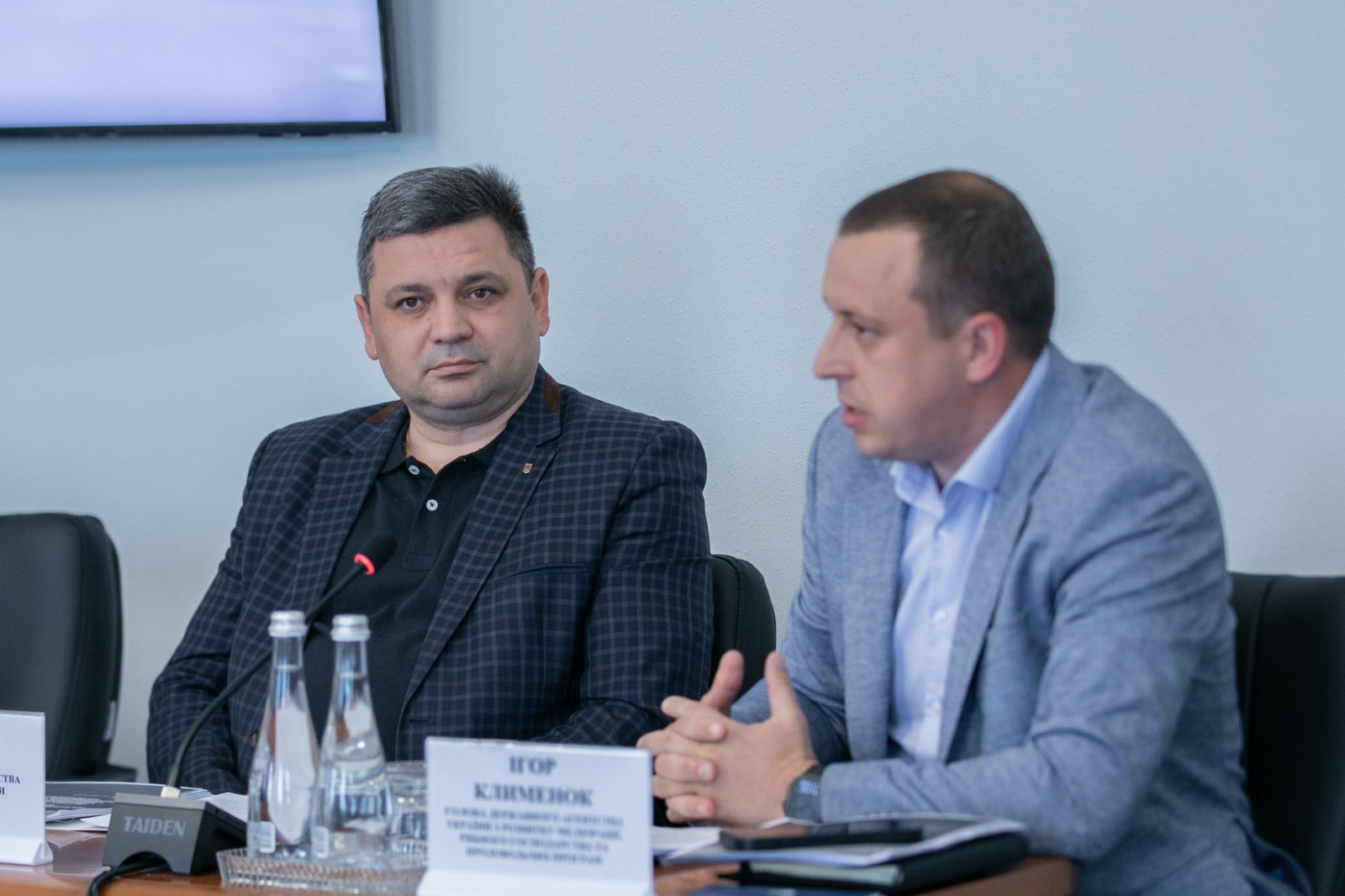
The representatives of the State Agency of Reclamation and Fisheries present during the consideration of the Report expressed their readiness to develop reclamation taking into account the recommendations provided.
.jpeg)
The report and decision of the Accounting Chamber of Ukraine have been sent to the Verkhovna Rada of Ukraine and its Committee on Agrarian and Land Policy with the recommendation to consider it at the meeting, as well as to the Cabinet of Ministers of Ukraine, the Ministry of Agrarian Policy and Food of Ukraine and the State Agency of Reclamation and Fisheries, and will also be published on the official website of the institution.
.jpeg)