Role of Independent Audit in State Resilience and Quality of Government Decisions Discussed in Kyiv
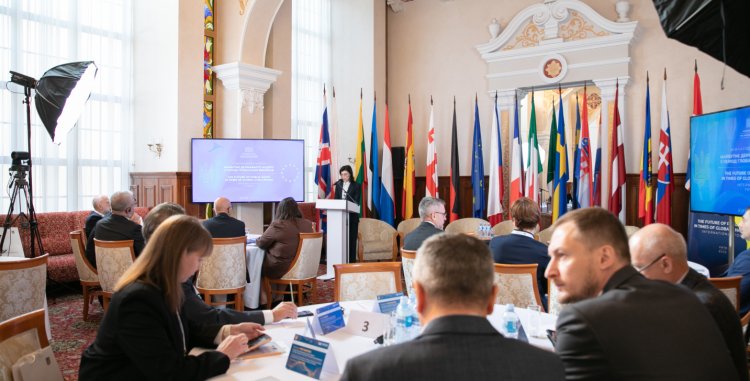
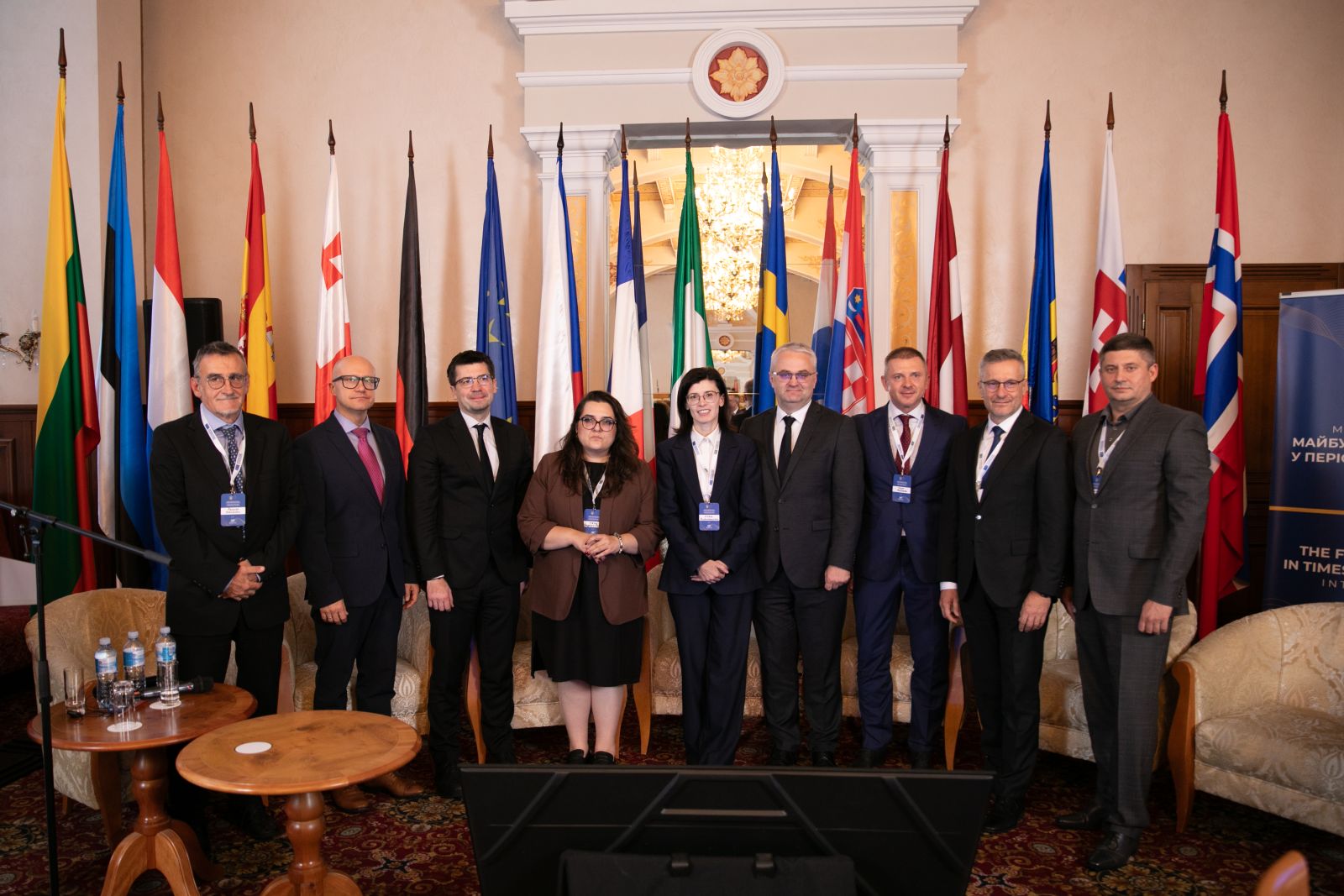
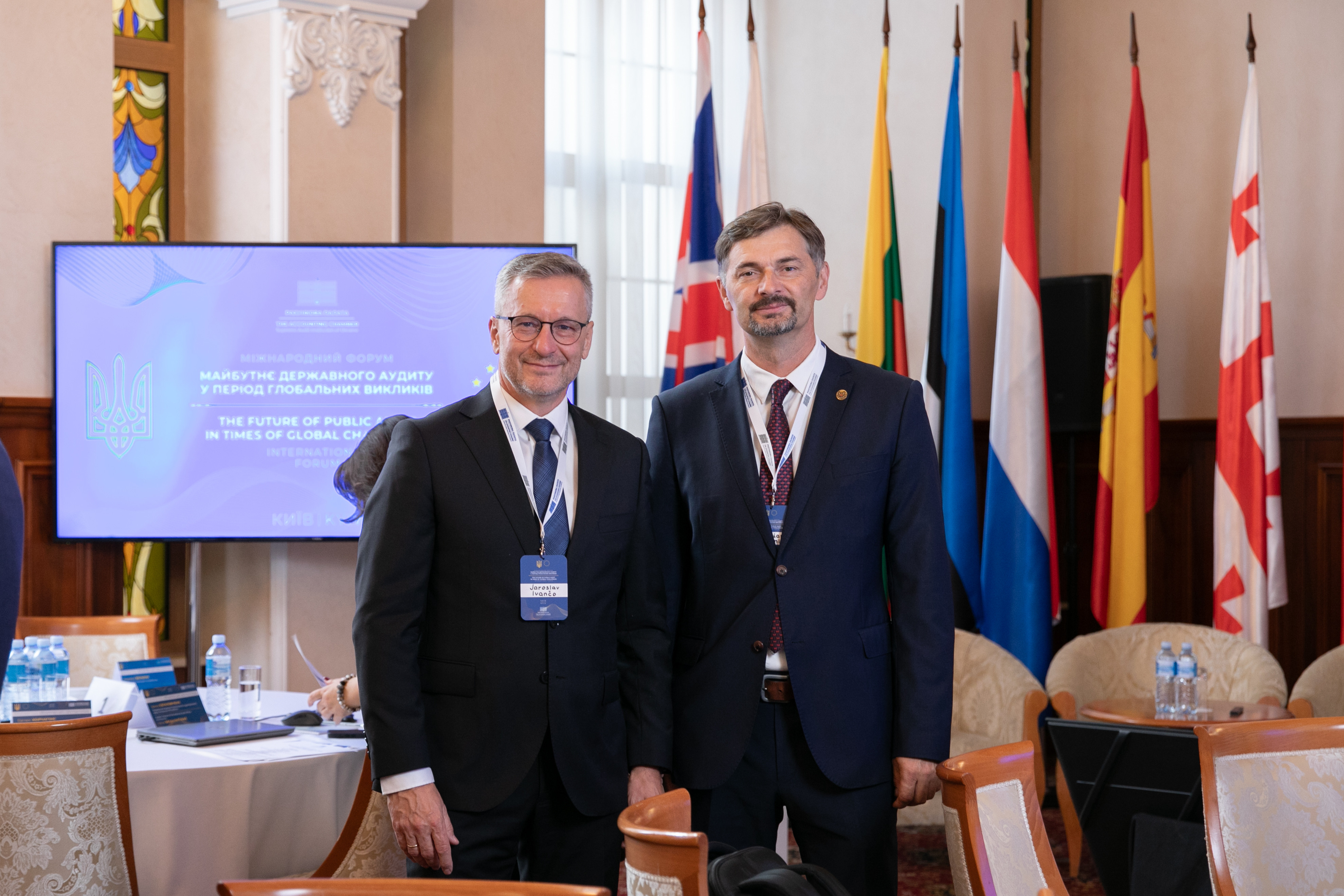
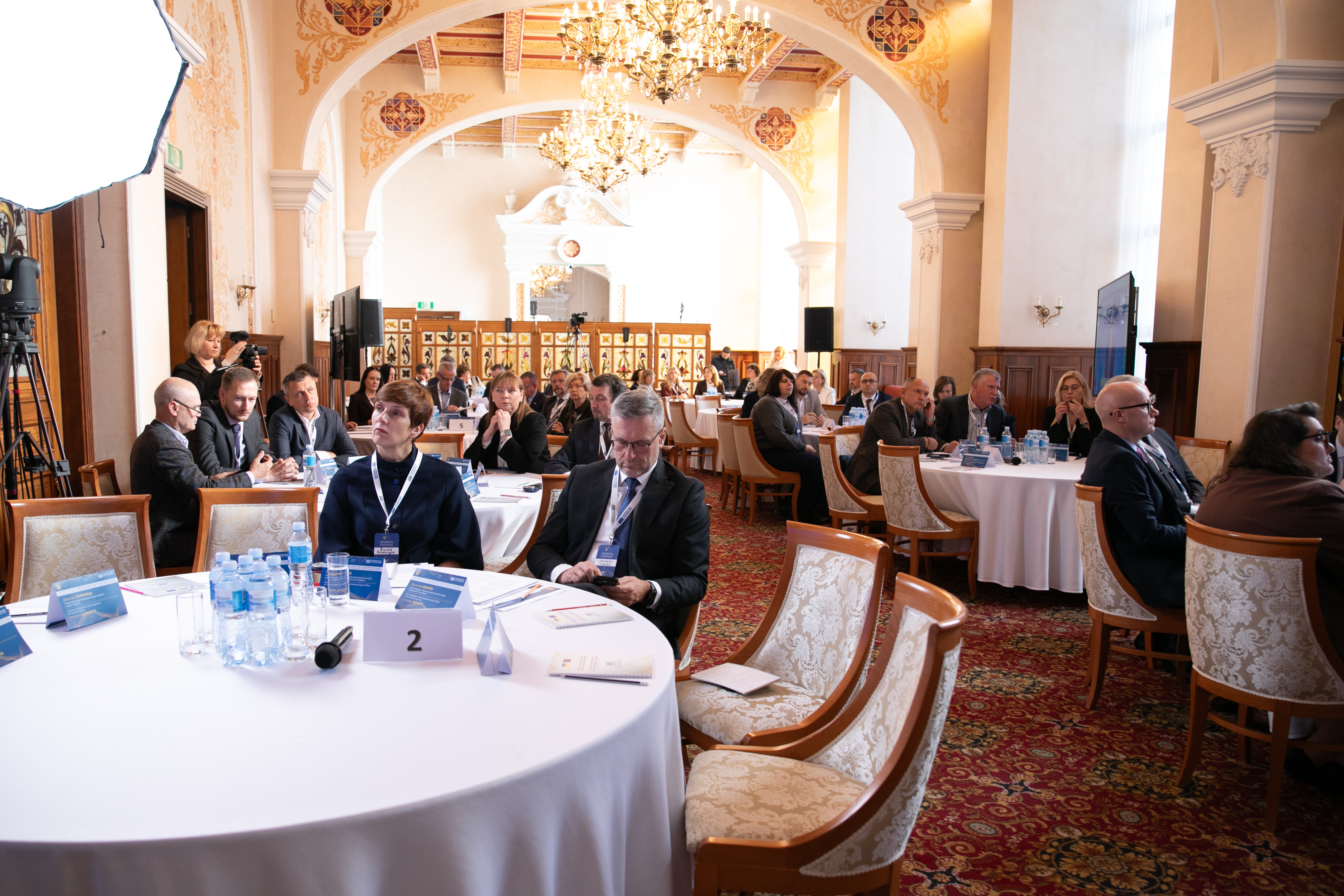
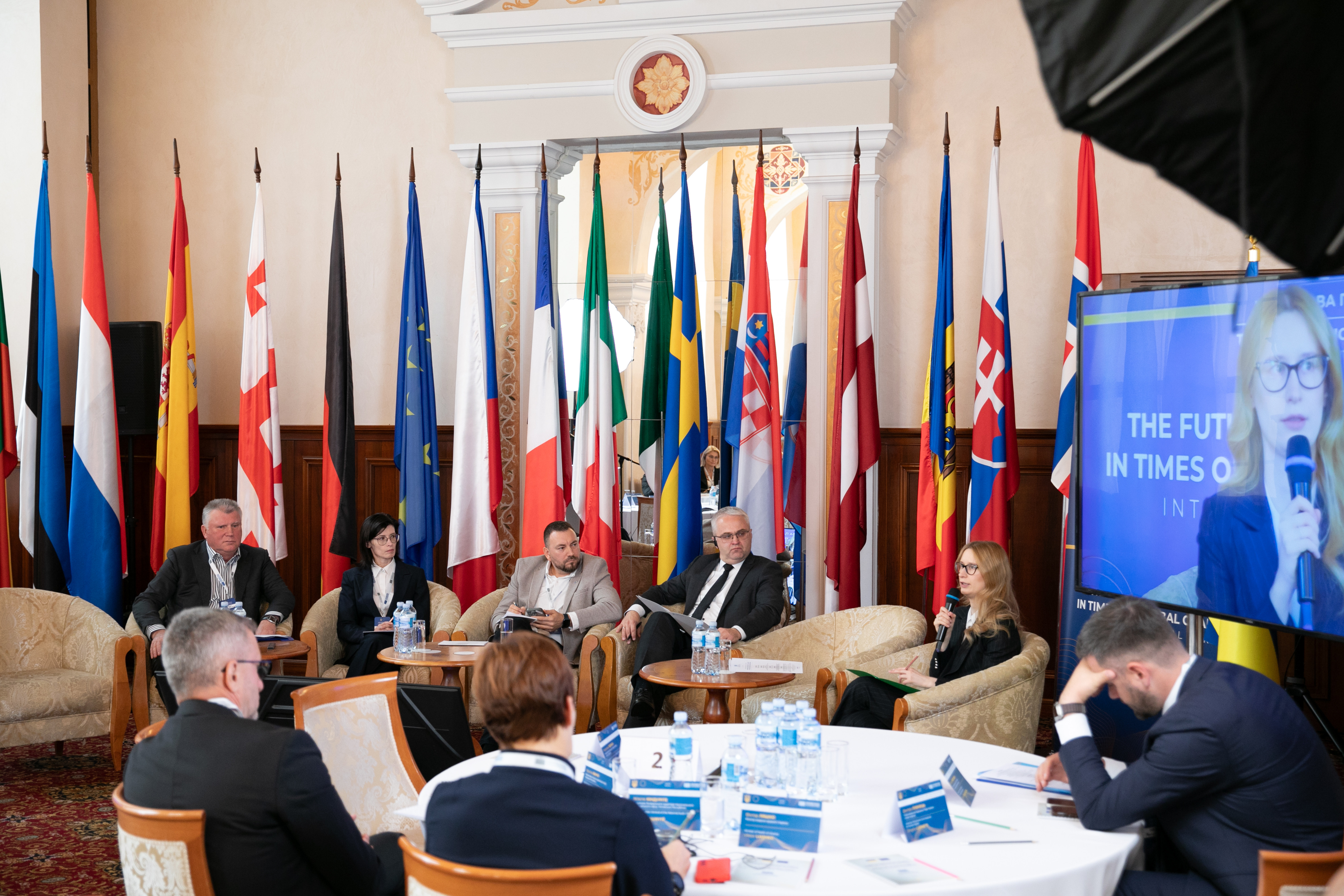
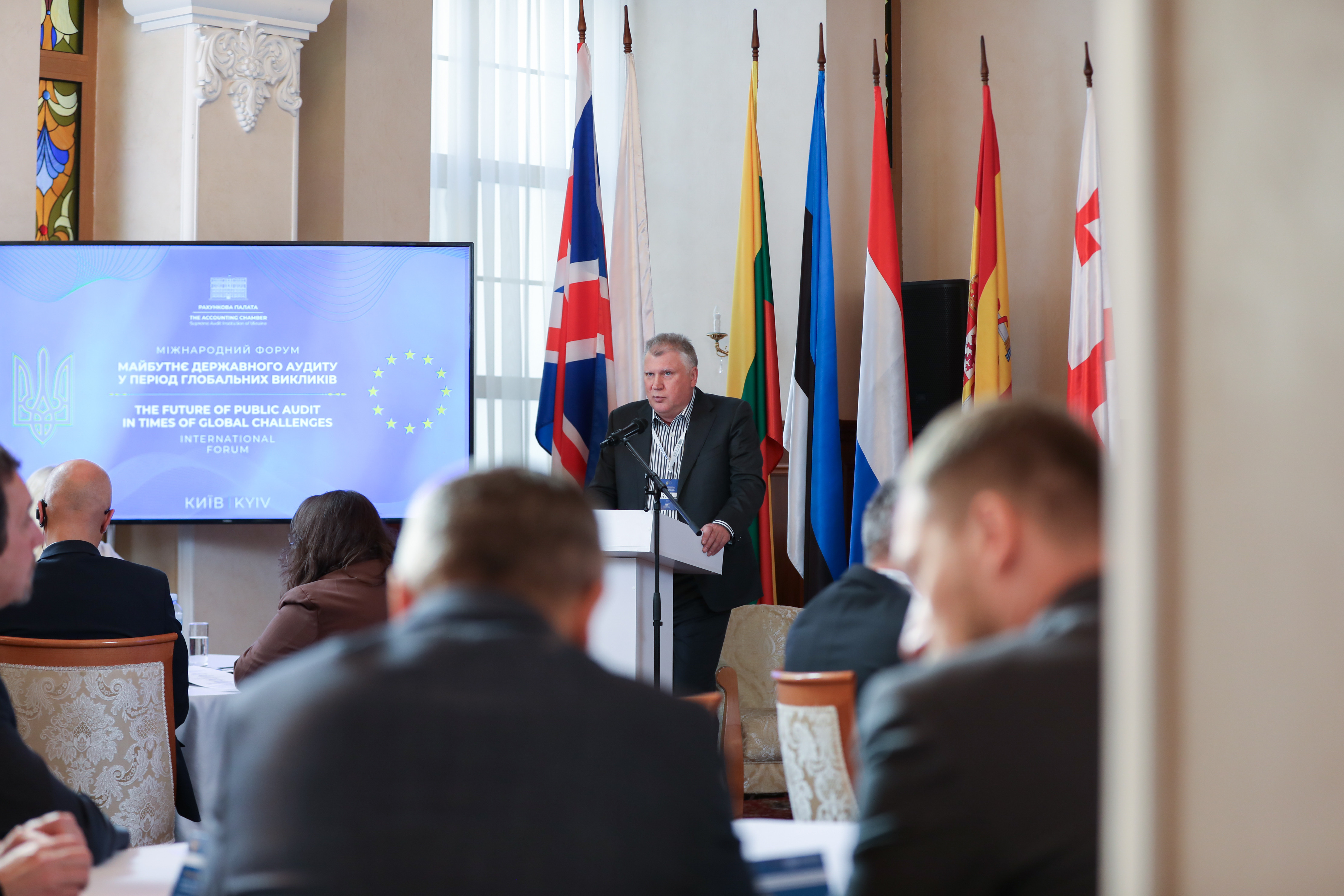
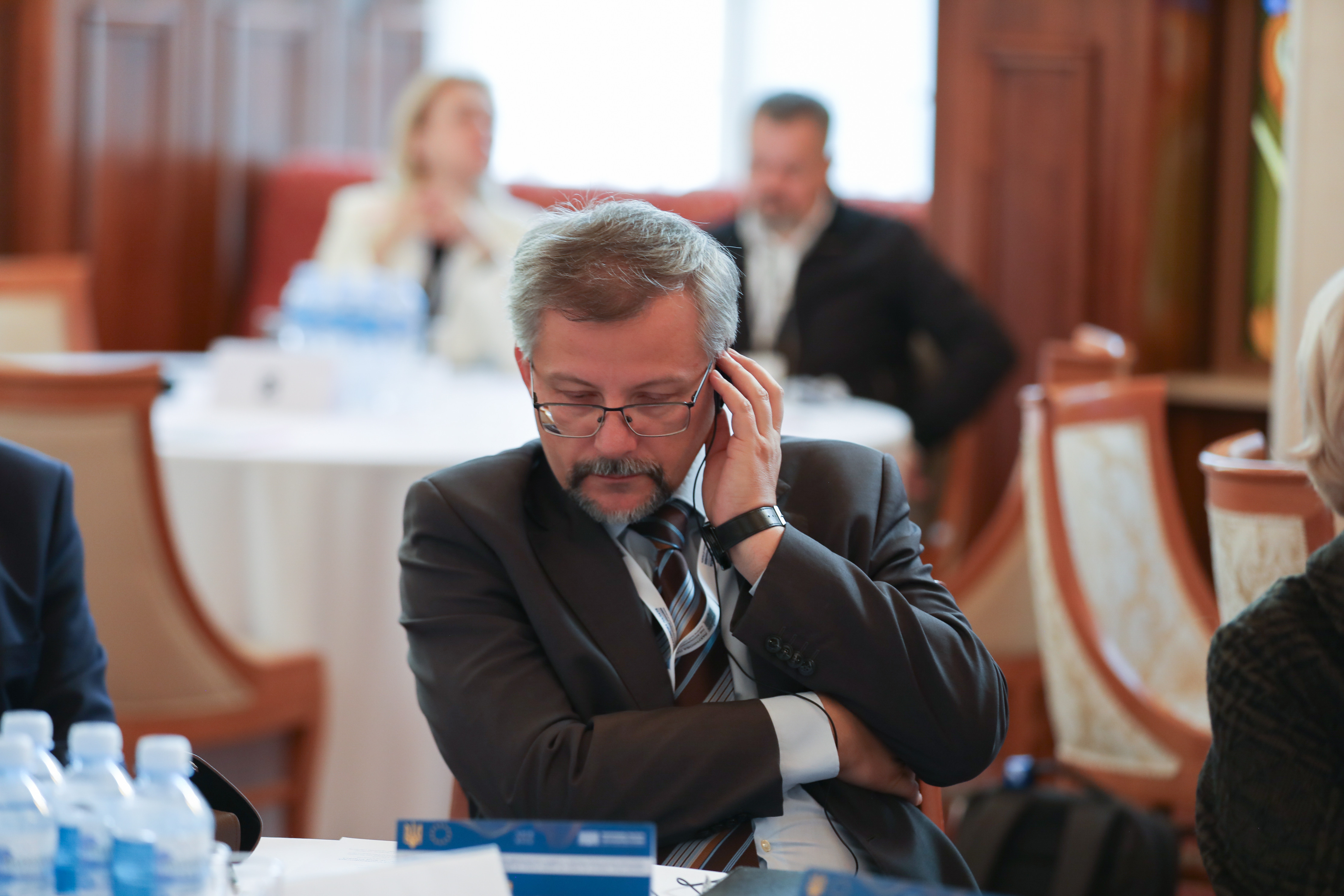
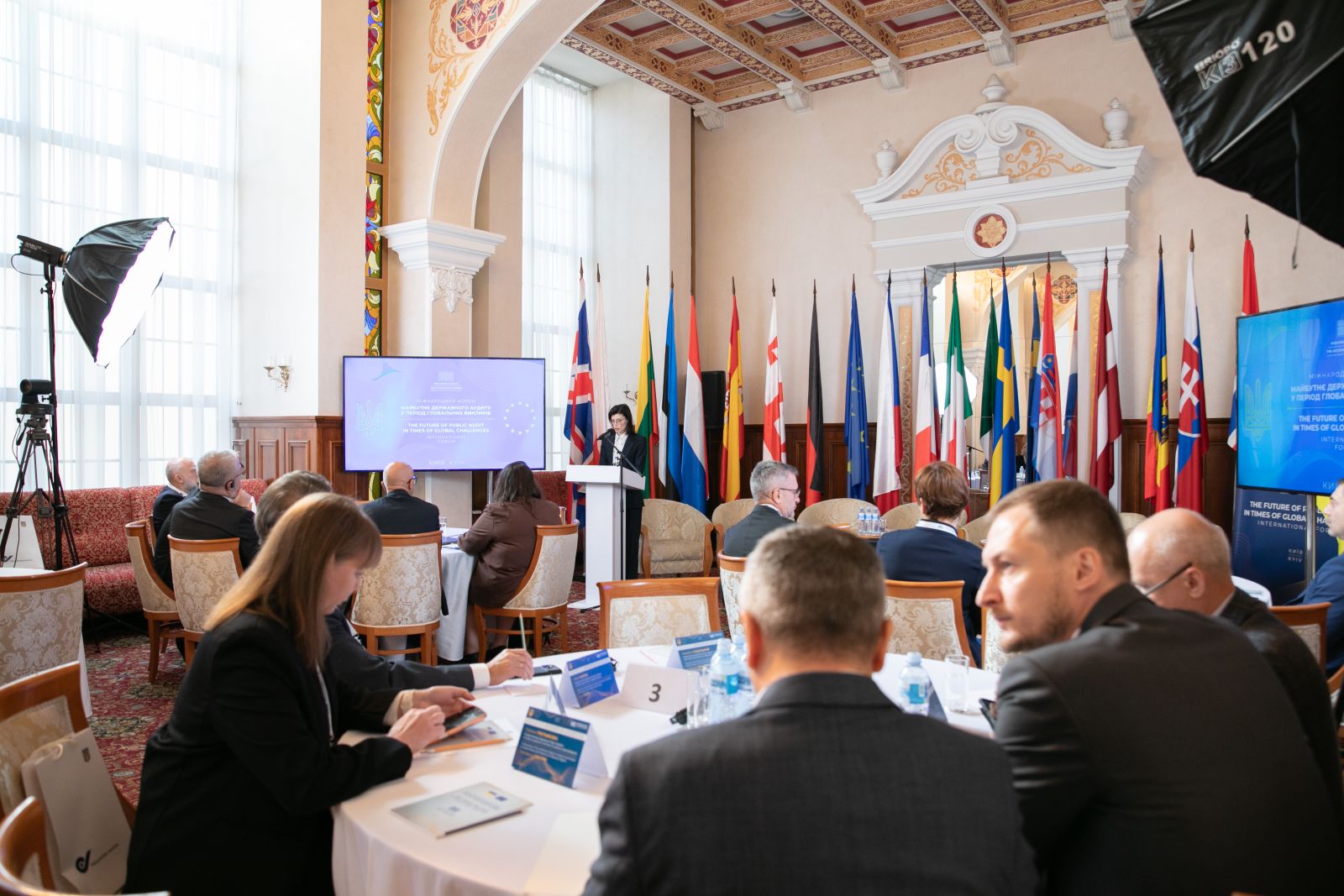
On September 30, the Accounting Chamber hosted an international forum “The Future of Public Audit in Times of Global Challenges” in Kyiv. The event brought together heads and representatives of Supreme Audit Institutions (SAIs) from 18 countries, Members of Verkhovna Rada of Ukraine, and representatives of the government, international organizations, and the academic and civil society communities. Notably, the heads of the SAIs of Poland, Lithuania, Estonia, and Latvia, as well as the Vice-President of the SAI of Slovakia, traveled to Kyiv for the event, while colleagues from other countries participated online.
Participants discussed how to ensure audit independence and capacity in times of extended crises, assess the contribution of public expenditure to the sustainability of public finances, and track changes following the implementation of recommendations. Representatives from the European Union Delegation to Ukraine, the Secretariat of the Audit Board of the Ukraine Facility, the EU4PFM project, and Expertise France also took part in the forum.
Opening the forum, Olga Pishchanska, Chairwoman of the Accounting Chamber of Ukraine, thanked the Defense Forces for the opportunity to hold the meeting in Kyiv.
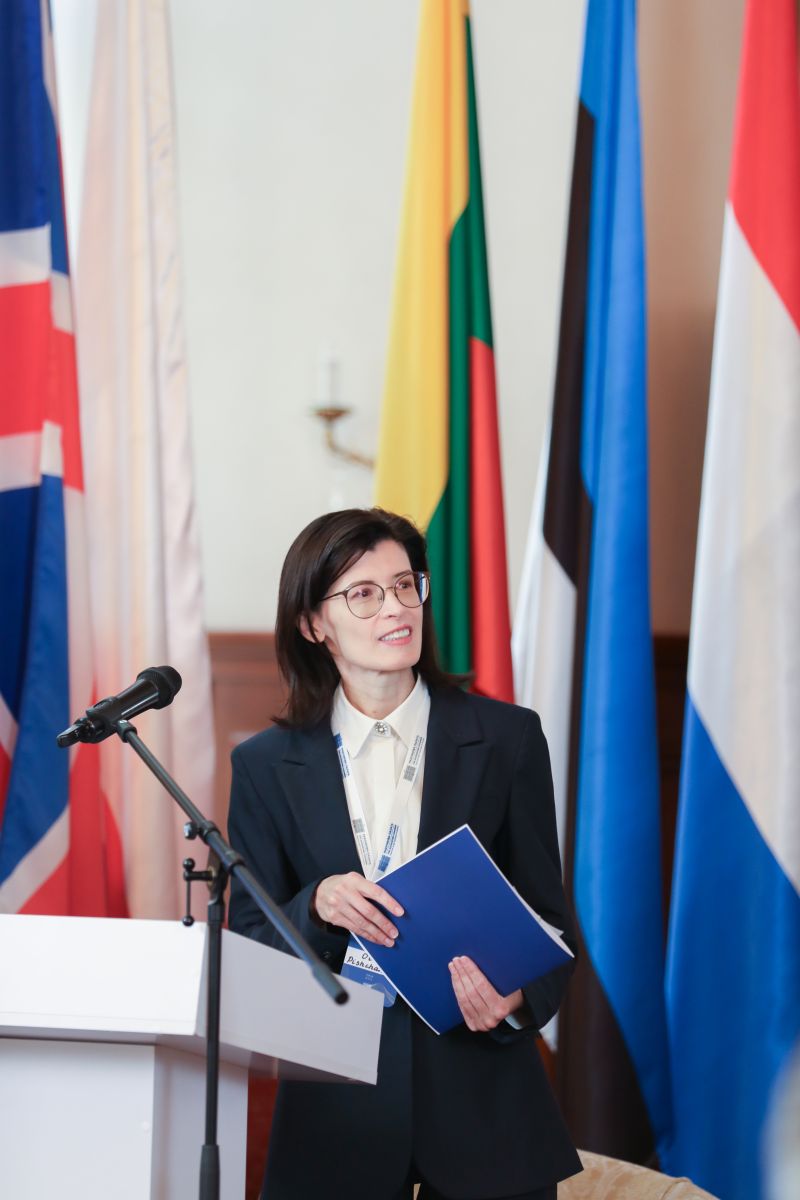
In her presentation “Fostering State Resilience and Development Capacity: Challenges and Tasks for External State Audit in Ukraine,” Olha Pishchanska focused on the impact of extended crises on management decisions and their auditing – particularly in times of large-scale war.
“Temporary solutions become permanent mechanisms, and emergency expenditures shape budget obligations for years to come. Under these conditions, the audit must assess the state's capacity to transform mobilized resources into results,” Olha Pishchanska noted.
The Chairwoman of the Accounting Chamber of Ukraine also paid particular attention to international support, which helps Ukraine to fund key sectors – such as social protection, healthcare, education, and public sector activities in times of full-scale war. She emphasized that the scale of this support strengthens the importance of an independent assessment of its use.
Olha Pishchanska also drew attention to the draft State Budget for 2027, on which the Accounting Chamber has submitted its official opinion. The document envisages obtaining a significant portion of the financial resources from international partners. The Accounting Chamber’s task is to timely assess the budgetary premises and risks, so that its findings can be taken into account during the document's adoption.
Among the requirements for auditing in times of extended crises, the Chairwoman of the Accounting Chamber of Ukraine highlighted the independence of professional judgment, high evidentiary standards, and the assessment of the impact of implemented recommendations. Audits must identify the factors necessary to achieve expected outcomes and determine the need to revise government decisions. The exchange of experience between Supreme Audit Institutions (SAIs) helps to compare approaches to similar challenges in different countries, Olga Pishchanska emphasized.
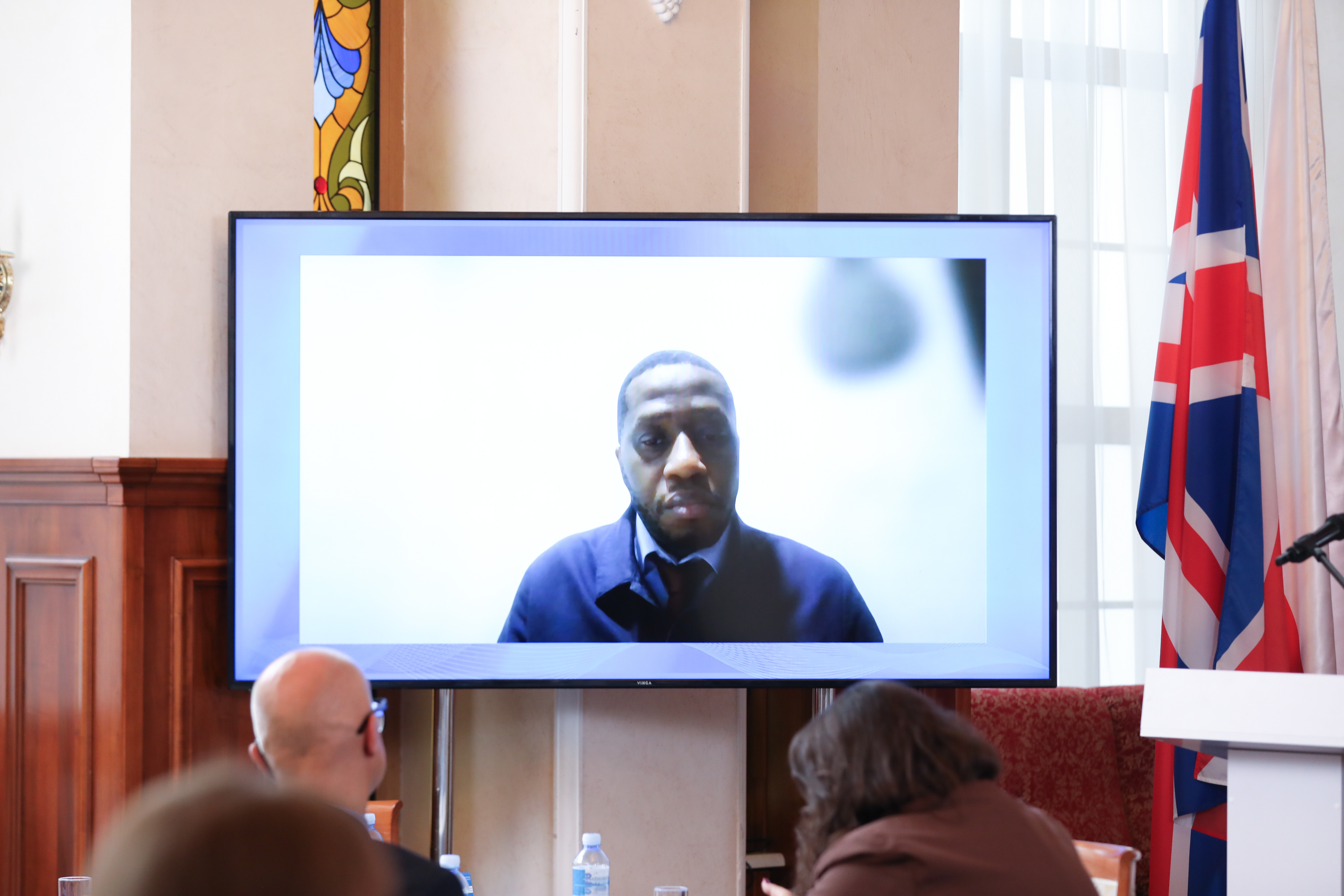
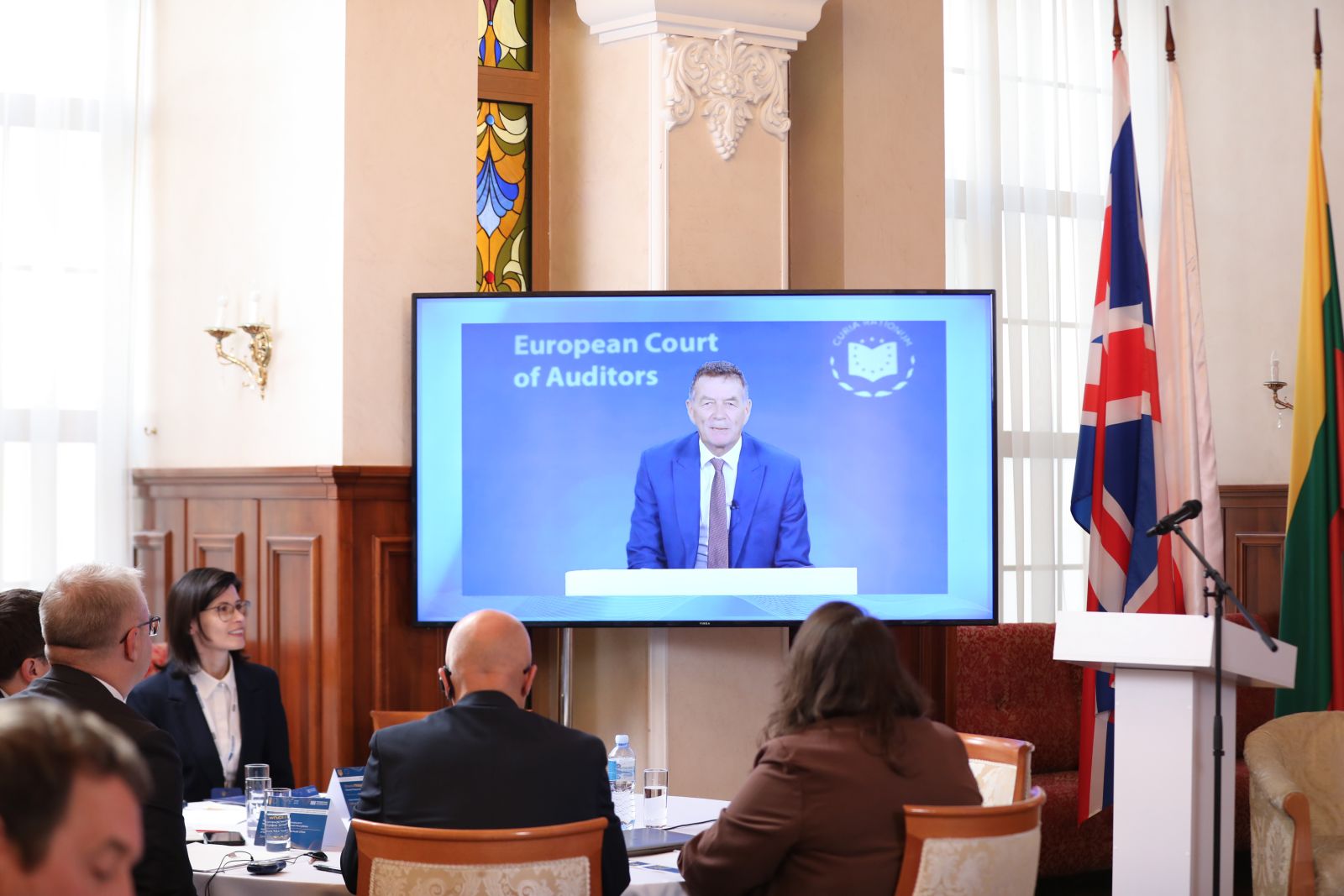
Tony Murphy, President of the European Court of Auditors, who joined the meeting online, commended the work of the Accounting Chamber of Ukraine under martial law. He emphasized high audit standards and requirements for performance assessment: reliable data, controlled methodology, and a clear evidentiary basis for conclusions.
Audit Independence and Capacity in times of Crises
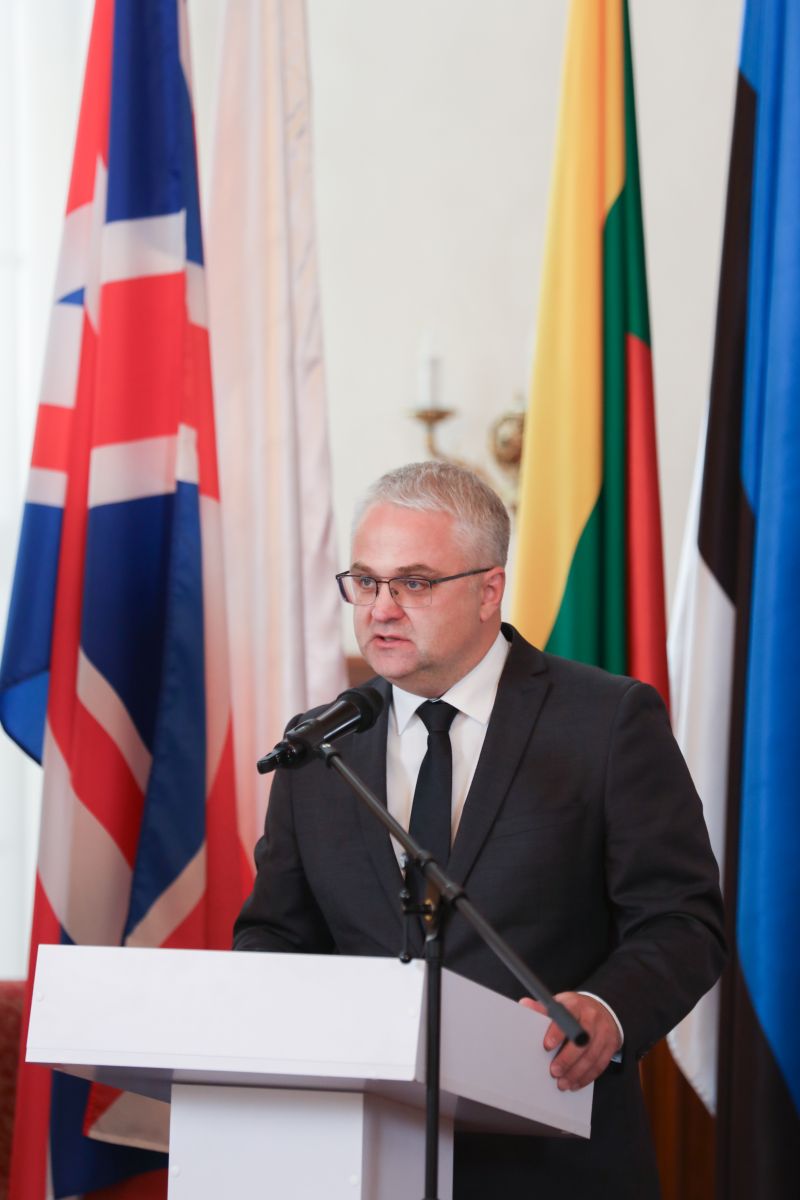
The first session, dedicated to the independence, capacity, and impact of Supreme Audit Institutions (SAIs) in times of crises, was moderated by Vasyl Nevidomyi, Secretary of the Accounting Chamber of Ukraine. Janar Holm, Auditor General of the SAI of the Republic of Estonia, shared the experience on cooperating with auditees and accelerating audit procedures during the COVID-19 pandemic. He also supported the idea that the timeliness of audit findings determines their utility in the decision-making process.
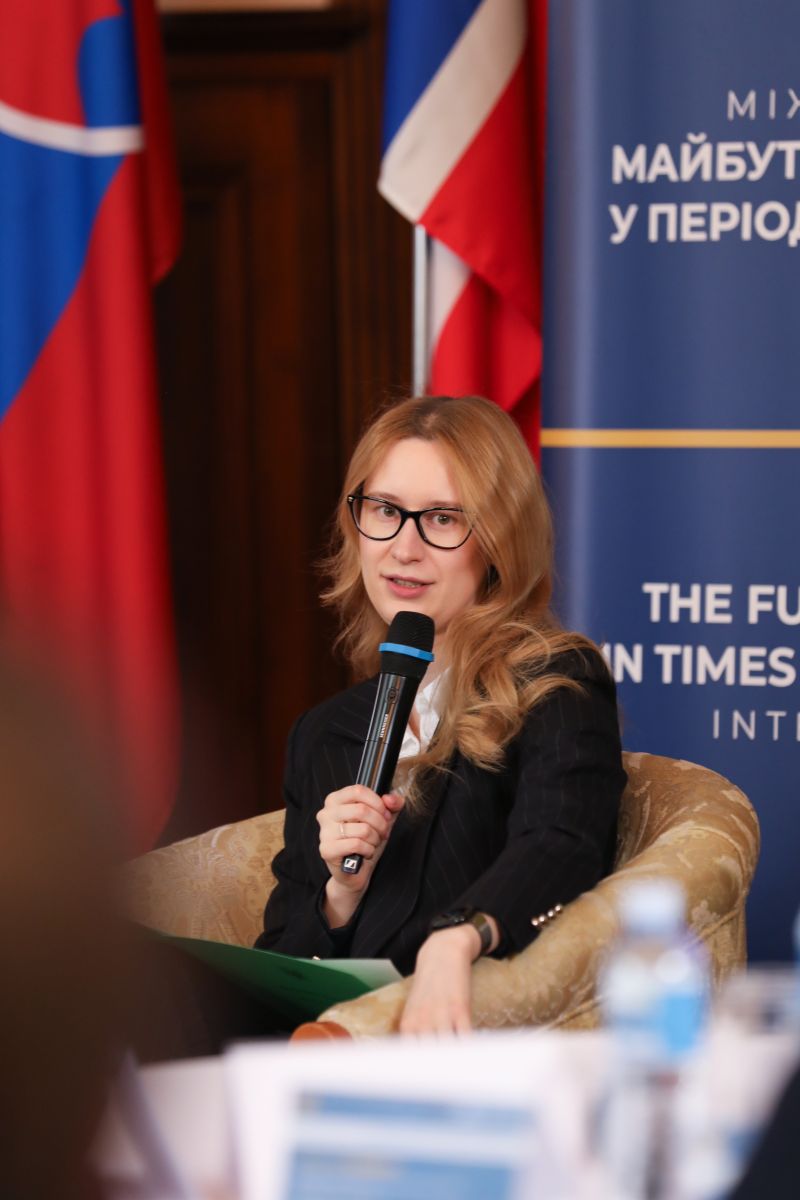
Roksolana Pidlasa, Chairwoman of the Verkhovna Rada Budget Committee, highlighted, among other things, the Accounting Chamber’s audits regarding state defense procurement. In her view, rapidly supplying the frontline requires transparent rules, and simplified wartime procurement procedures should be regulated by law.
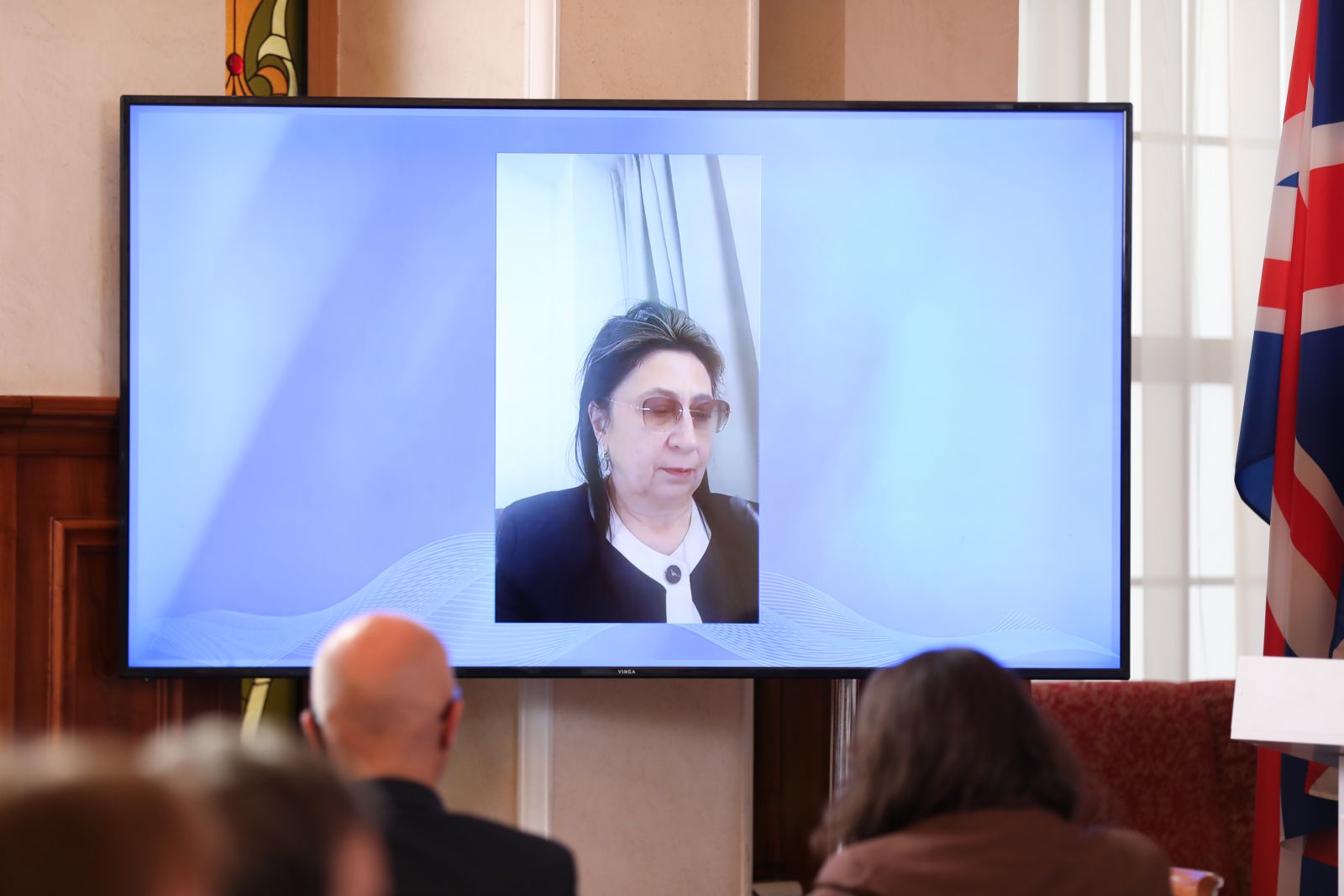
During the panel, Freddy Ndjemba, Assistant Director General for SAI Governance at the INTOSAI Development Initiative (IDI),also emphasized the importance of ensuring the independence of Supreme Audit Institutions in their day-to-day operations and developing the professional competencies of auditors. Meanwhile, Member of Accounting Chamber of Ukraine Yelyzaveta Pushko-Tsybuliak focused on the impact of audits on public administration, the timeliness of findings, and the selection of relevant topics for independent analysis.
Ivan Lakhtionov, Director of Innovation Programs at Transparency International Ukraine, discussed the cooperation with the Accounting Chamber of Ukraine and emphasized the importance of publicly communicating audit results, the full scope of the institution’s powers and the proper resourcing of its operations.
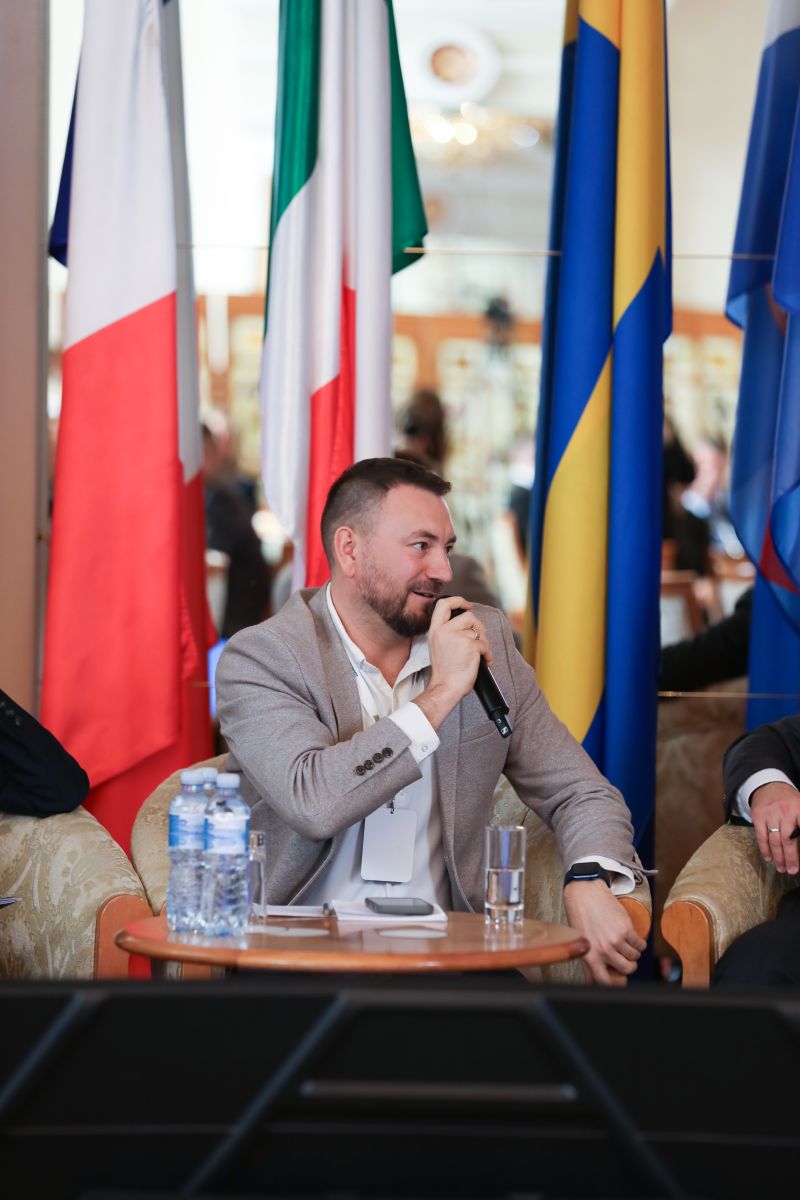
The discussion also specifically addressed strengthening the financial independence of the Accounting Chamber of Ukraine and equipping it with the resources needed for proper and timely work.
Sustainability of Public Finances
The second session, focused on the outcomes of government programs in conditions of limited resources, was moderated by Ella Libanova, Director of the Institute for Demography and Quality of Life Problems at the National Academy of Sciences of Ukraine. Mariusz Haładyj, President of the Supreme Audit Office of Poland, shared audits experience conducted in times of 1980s crisis. He noted that in times of challenging periods, audits of government expenditure must take into account state-defined priorities.
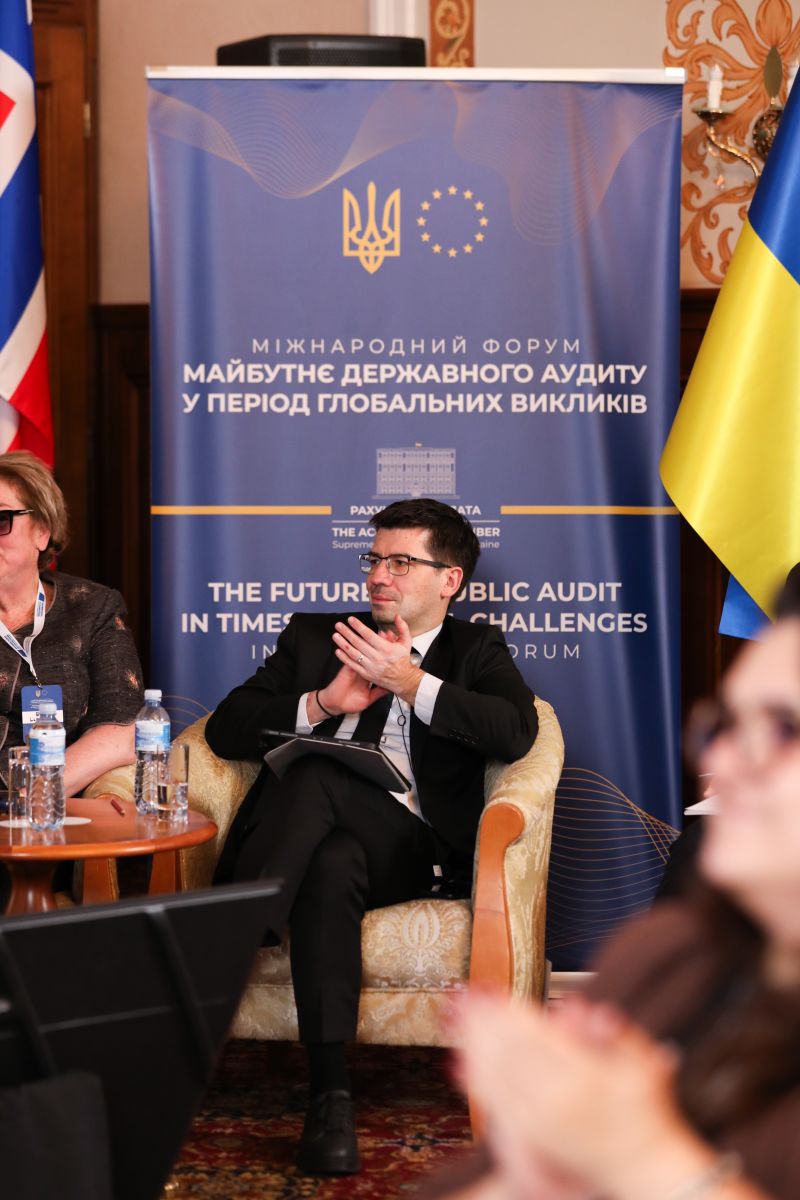
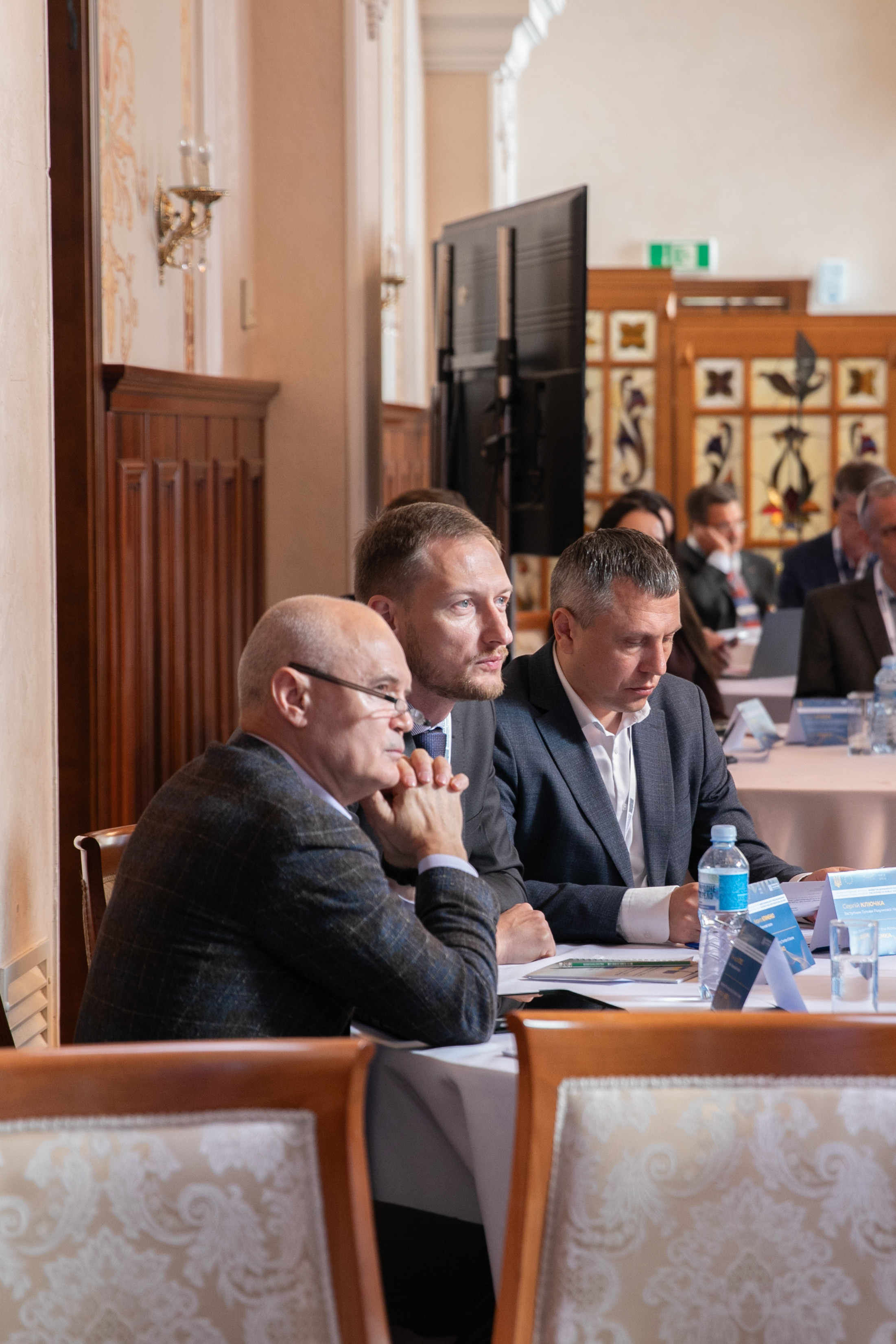
Serhii Kliuchka, Deputy Chairman of the Accounting Chamber of Ukraine, used two audit examples of reconstruction funds to illustrate how problems in managing recovery impact resource utilization and project implementation timelines.
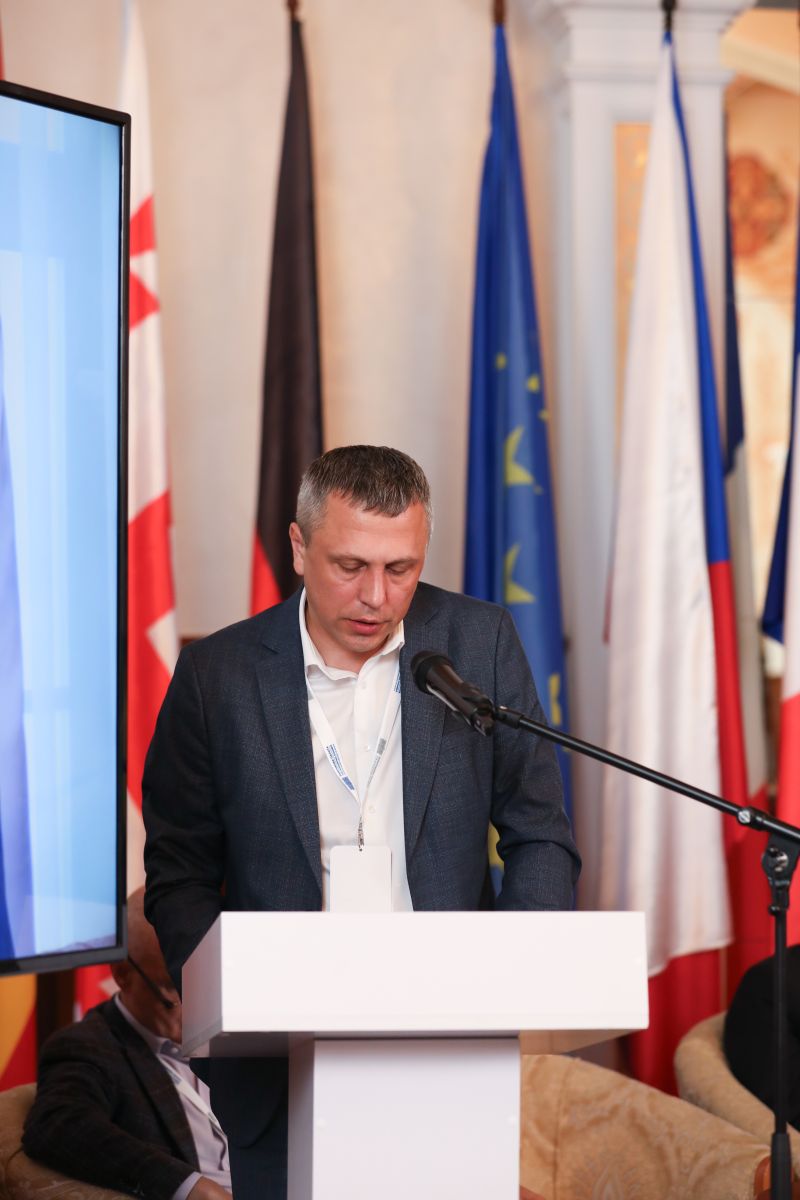
Viktor Liashko, the Minister of Health of Ukraine, positively assessed the cooperation with the Accounting Chamber of Ukraine during the audit of the Ministry of Health of Ukraine and highlighted the importance of healthcare budget programs under the limited funding.
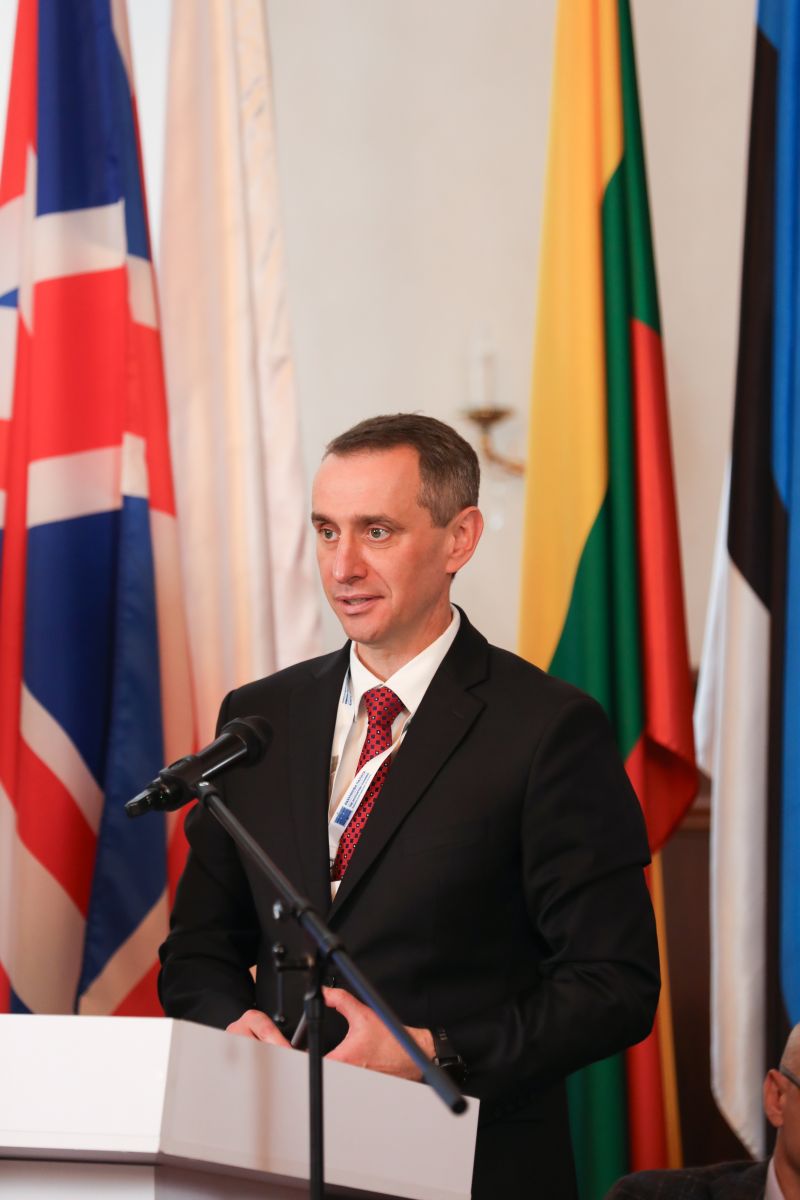
Ihor Molotok, Chair of the Subcommittee on State Financial Control and Accounting Chamber’s activity of the Verkhovna Rada Budget Committee, emphasized that the assessment of budget expenditures should cover the legality of the use of funds, the alignment of programmes in relation to state priorities, the achievement of planned results, and the justification for the allocated funding.
.jpg)
Gennadiy Plis, Member of the Accounting Chamber of Ukraine, used an example of security and defense sector: audits revealed a simultaneous lack of funding for specific needs and only partial utilization of allocated funds. Among the reasons, he pointed out shortcomings in setting priorities.
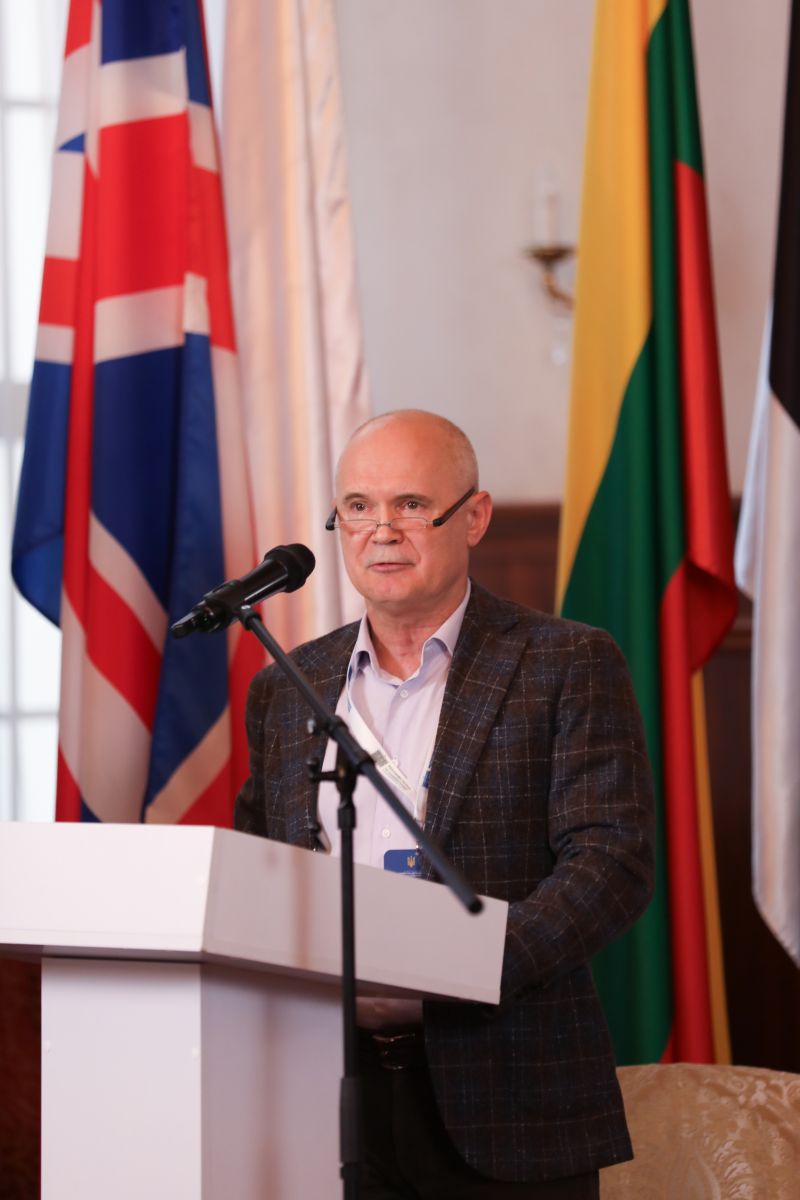
Halyna Tretiakova, Chairwaman of the Verkhovna Rada Committee on Social Policy and Veteran Rights Protection, raised the issue of fairness regarding budget decisions. She emphasized the need to make difficult decisions under limited resources and highlighted disparities in public sector remuneration, pension provision, and the allocation of personal income tax revenue. She notes that a budget program should be evaluated as an investment with an expected outcome – particularly during the audit process.
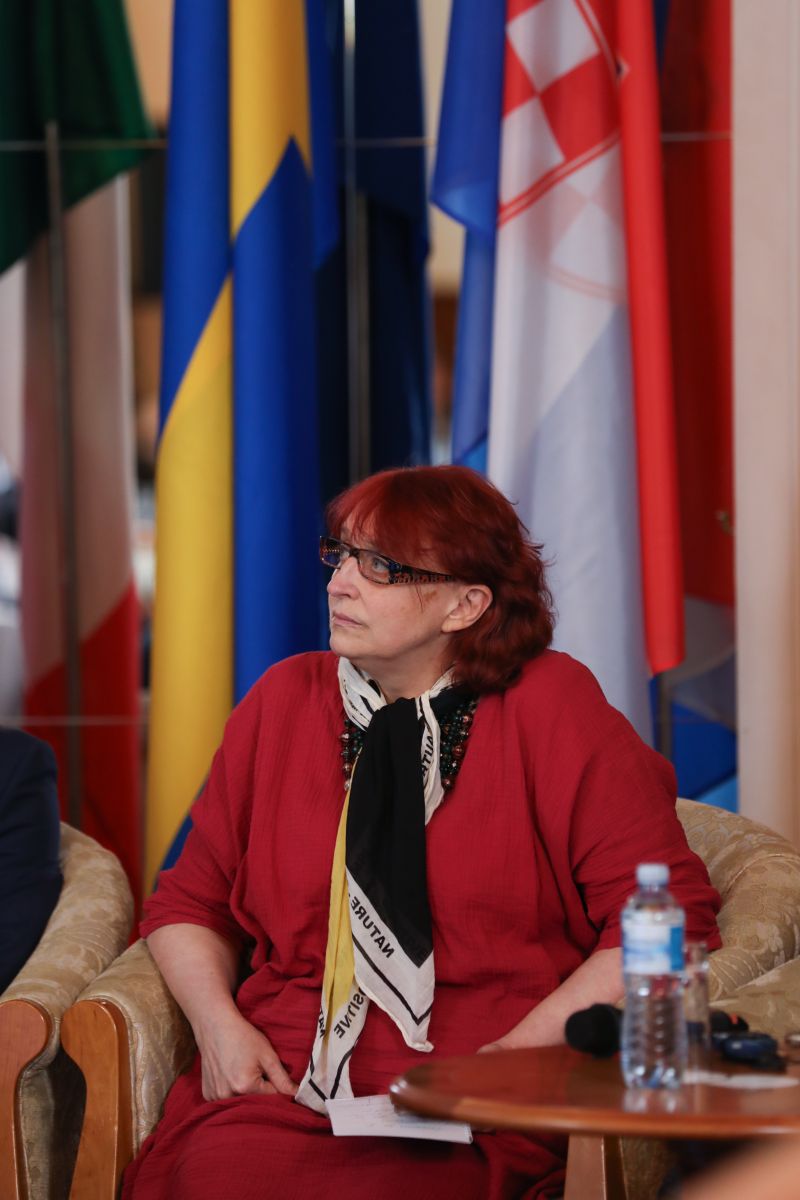
Implementation of Recommendations and Sustainability of Changes
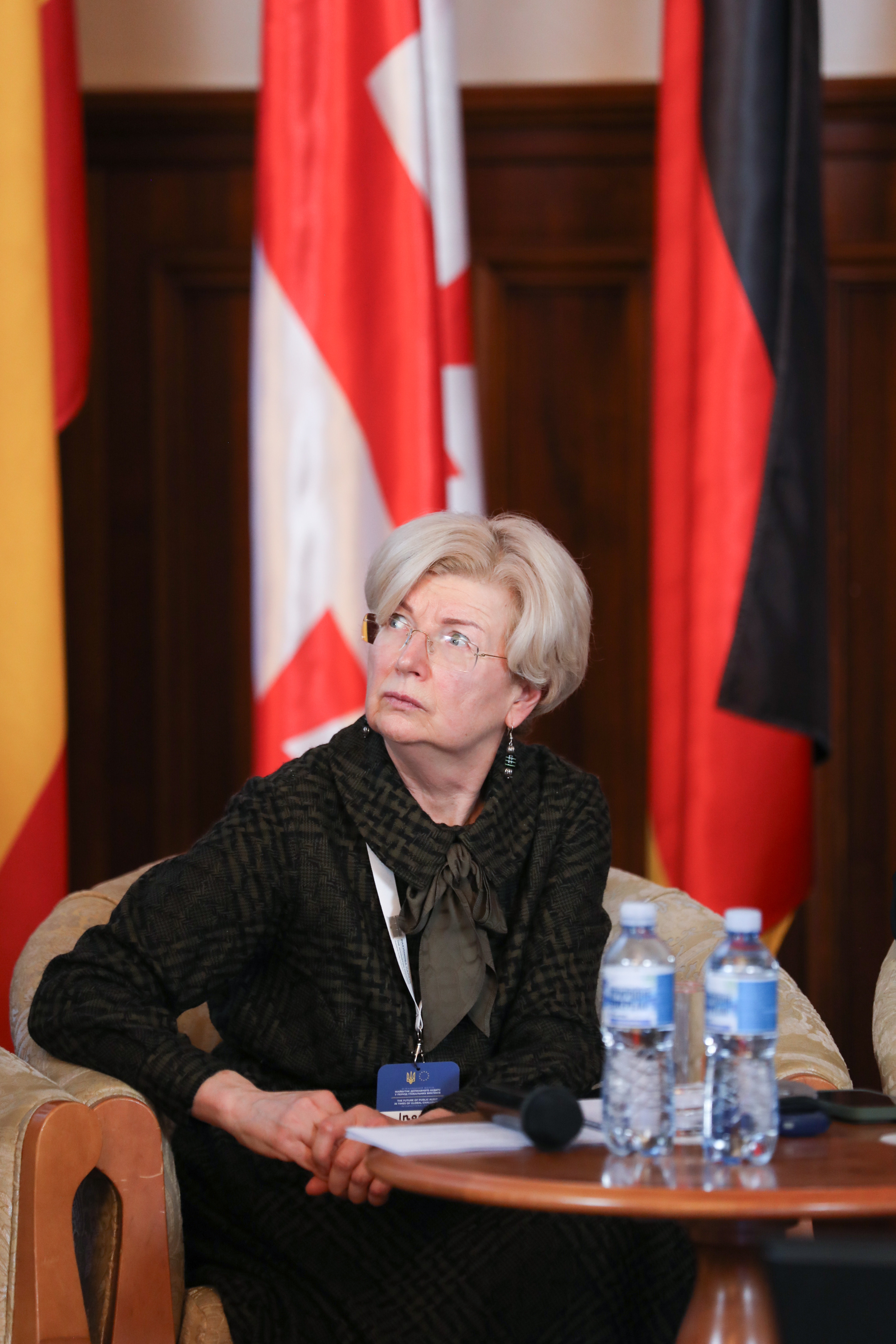
The third session of the international forum, focused on assessing the implementation of recommendations and the sustainability of changes achieved, was moderated by Inguna Sudraba, Team Leader of the EU4PFM project. Irene Segalovičienė, Auditor General of the Republic of Lithuania, highlighted the importance of the Accounting Chamber’s experience under the war conditions. She discussed audits regarding Lithuania’s preparedness to protect citizens from external threats Fand presented recommendations on the modernization of military equipment. She particularly emphasized the timeliness of the recommendations and the importance of cooperation with the auditees during their development.
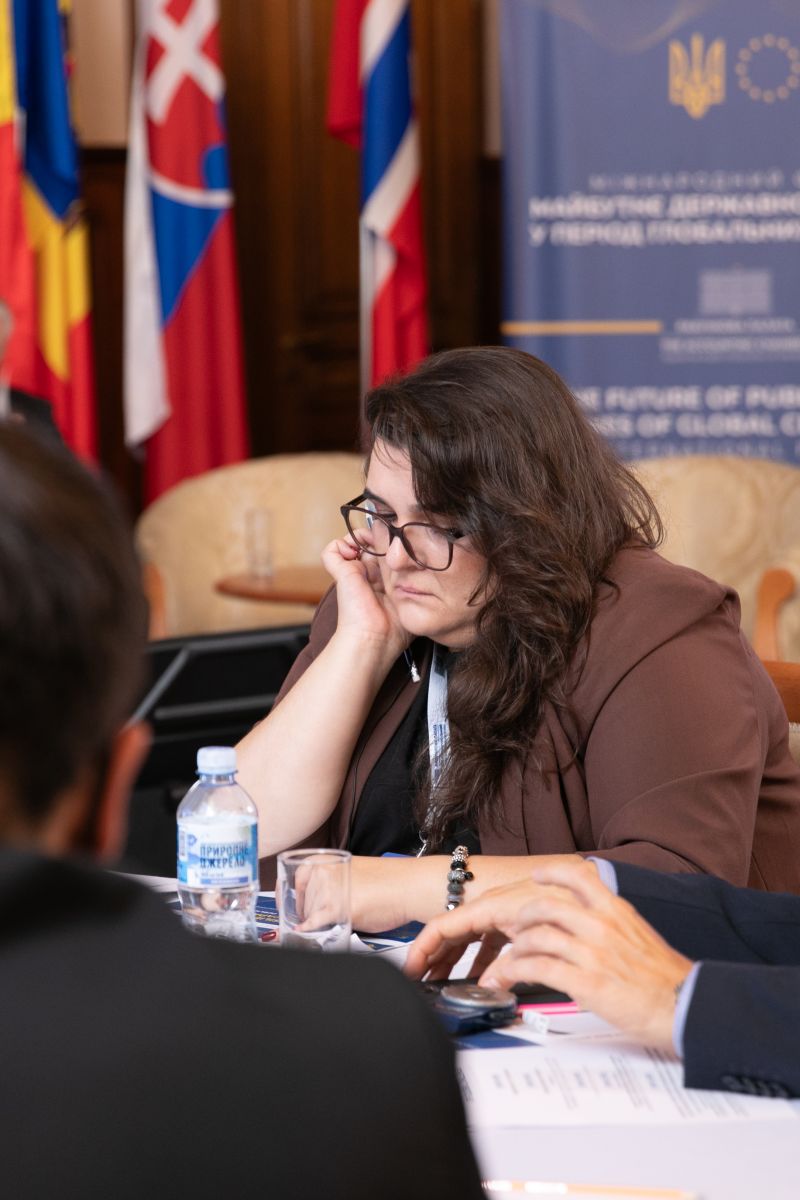
Kyrylo Klymenko, Member of the Accounting Chamber of Ukraine, discussed the procedures that facilitate the implementation of recommendations, the role of the Verkhovna Rada of Ukraine, and the importance of reporting for tracking post-audit changes. Pascal Meunier, an international public financial management expert and former auditor at the French Court of Audit, emphasized that the content and number of recommendations must take into account the institutions' capacity to implement them. Recommendations also require prioritization and review as circumstances change.
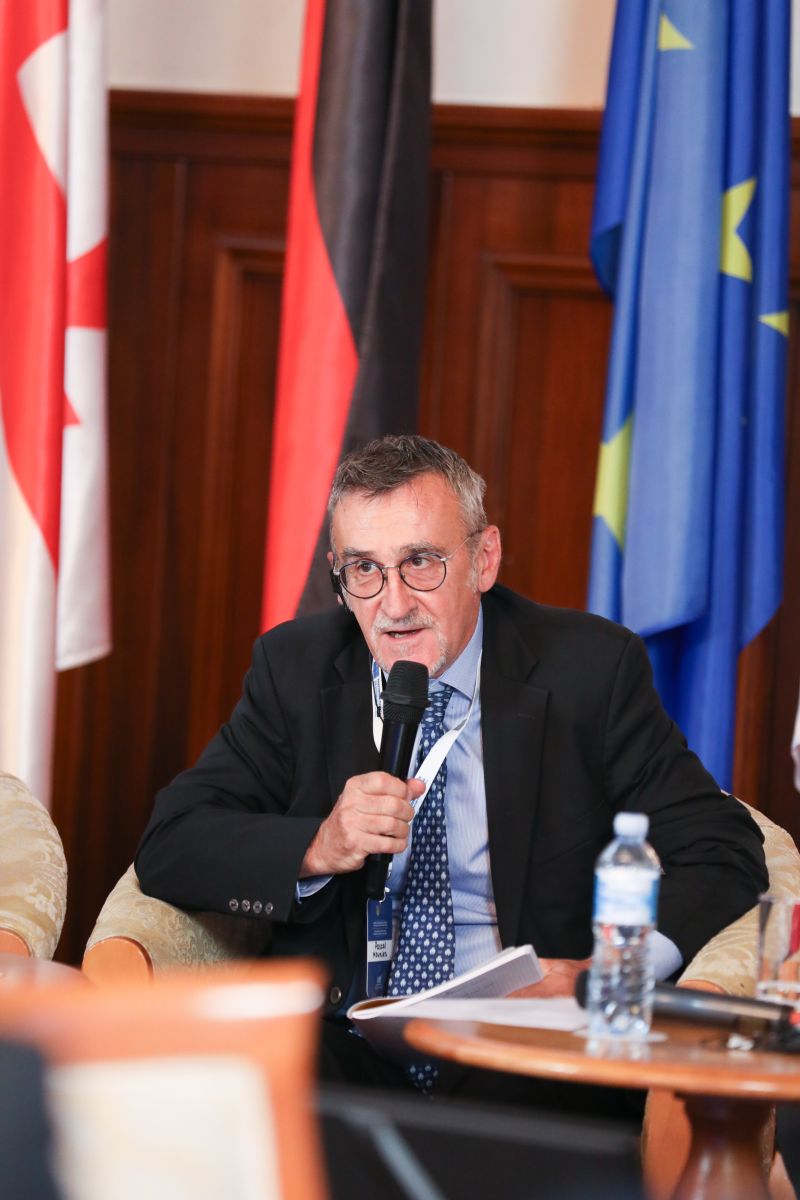
Viktor Pavlushchyk, Head of the National Agency on Corruption Prevention, outlined the shared goal for the Agency and the Accounting Chamber: to strengthen integrity and corruption prevention. He also called upon the Members of Verkhovna Rada of Ukraine present to support the Anti-Corruption Strategy.
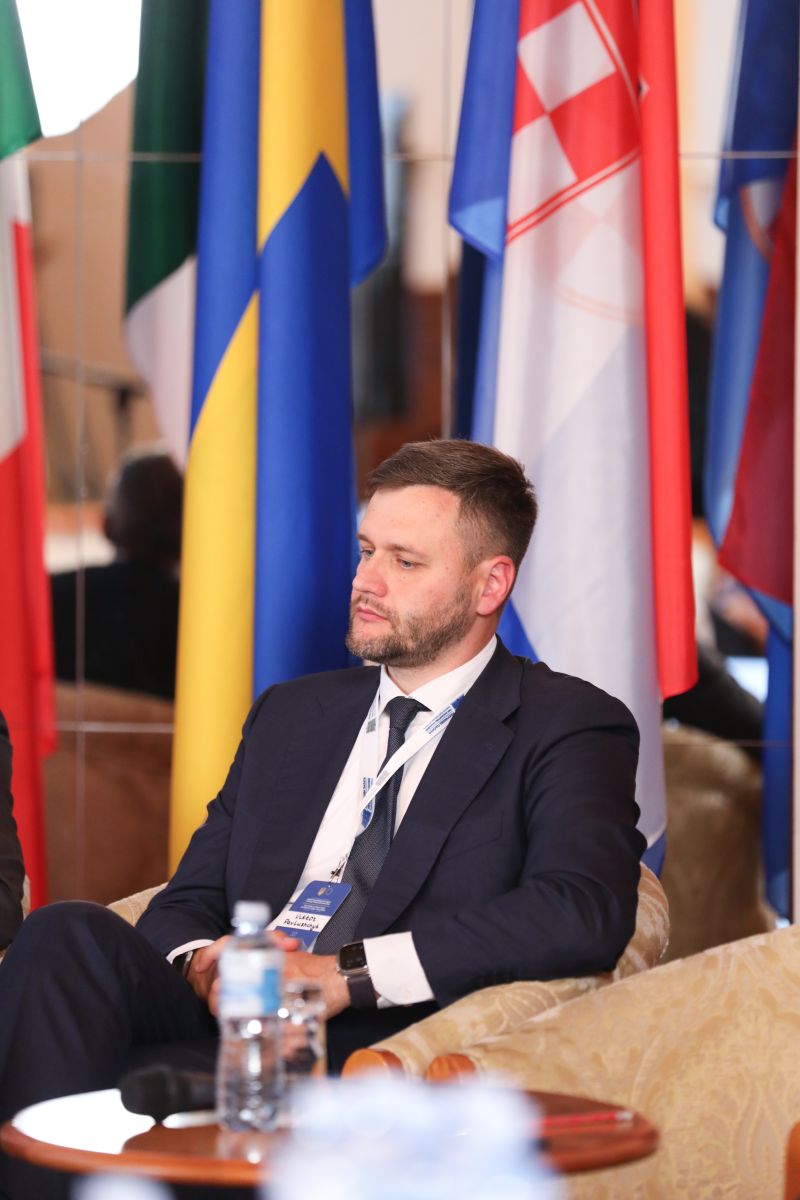
Yurii Kuzbyt, Chair of the Subcommittee on Budget Policy and Improvement of the Budget Code of the Verkhovna Rada Budget Committee, used an example of changes made following an analysis of how funds for the construction of fortifications were utilized: the property was properly registered. He emphasized the role of the Verkhovna Rada of Ukraine in control the implementation of the Accounting Chamber’s recommendations.
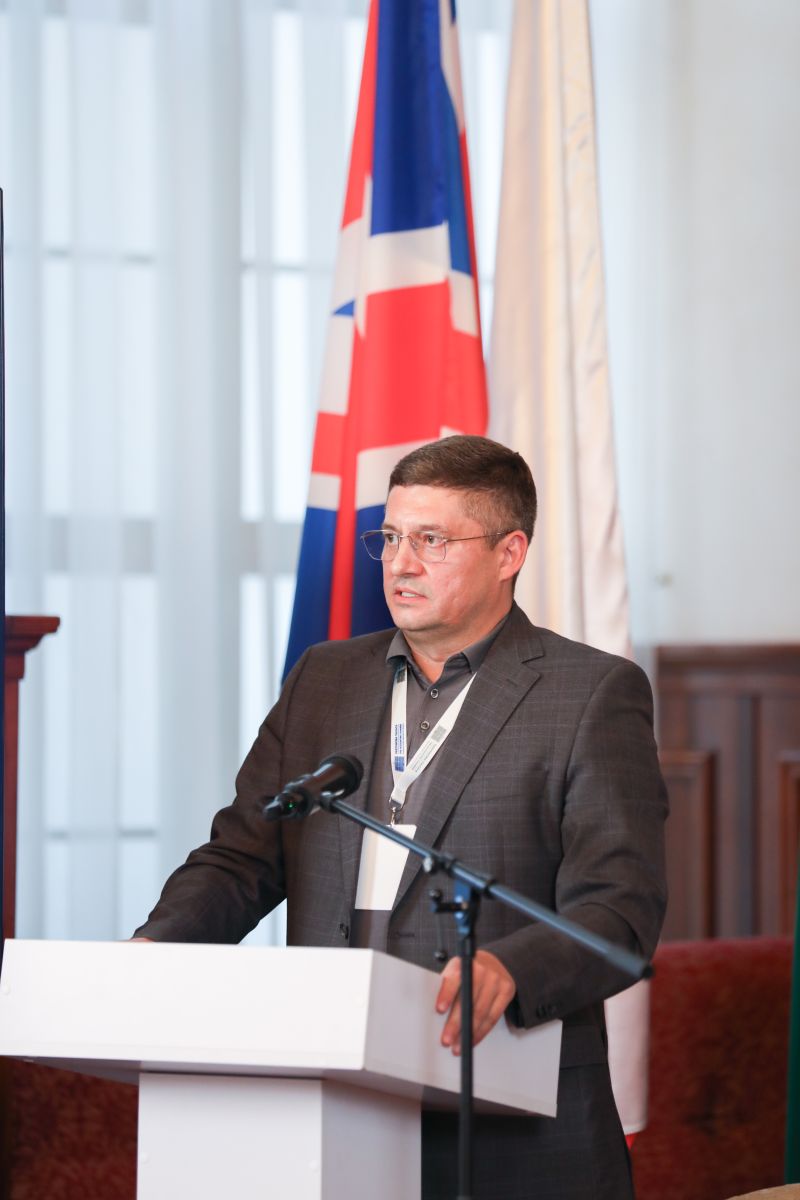
Summarizing the forum's outcomes, Chairwoman of the Accounting Chamber of Ukraine Olha Pishchanska highlighted the growing role of audit and the responsibility for its results.
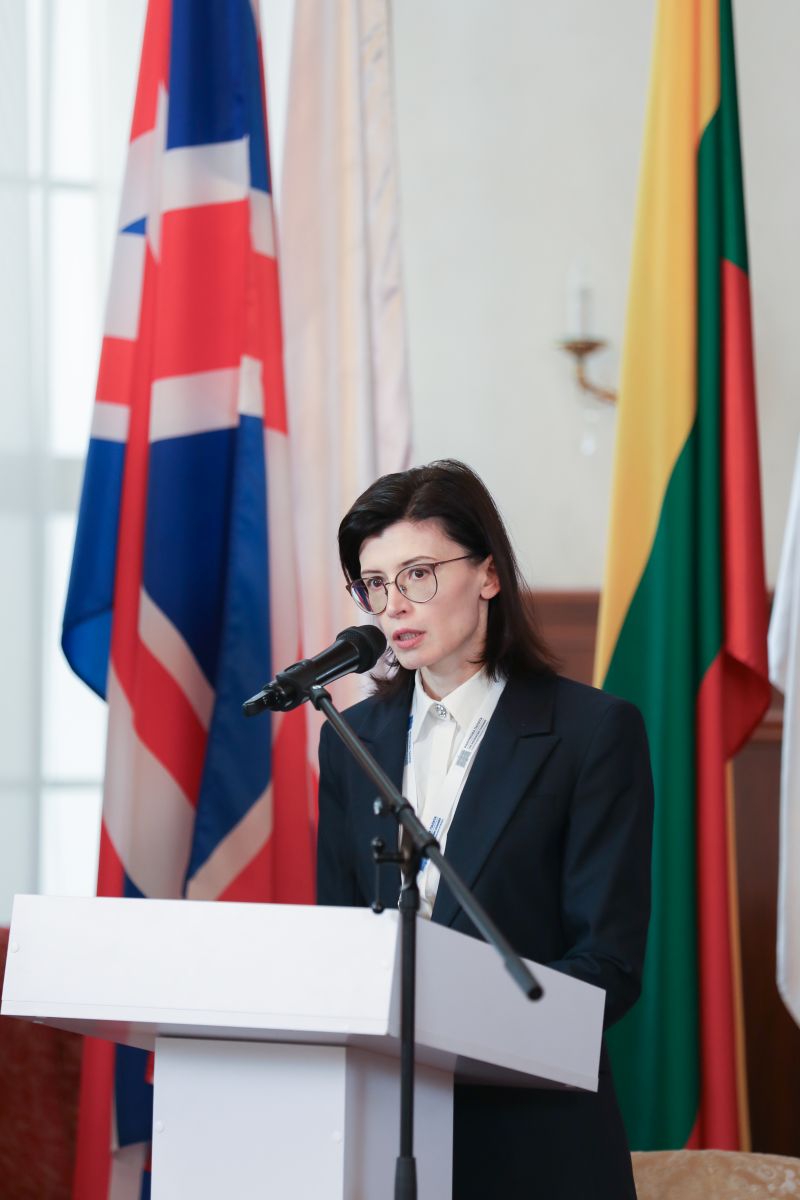
She emphasized that the impact of audit findings on government decisions requires constructive cooperation between the Accounting Chamber, the Verkhovna Rada of Ukraine, and the auditees.
The Chairwoman also specifically emphasized the key role of civil society in facilitating the implementation of audit recommendations. She is convinced that the role of civil society in this area will continue to grow.