



The Quality Commissioner published a report on the functioning of the quality management system in the Accounting Chamber in 2024

During 2024, the Accounting Chamber adopted a number of decisions and implemented policies and procedures that allow improving the effectiveness and efficiency of the institution in general and improving the quality of audits in particular. These conclusions are contained in the Report on the Status of the Quality Management System in the Accounting Chamber for 2024. The conclusions were presented by the Institution's Quality Commissioner, member of the Accounting Chamber, Yelizaveta Pushko-Tsybulyak.
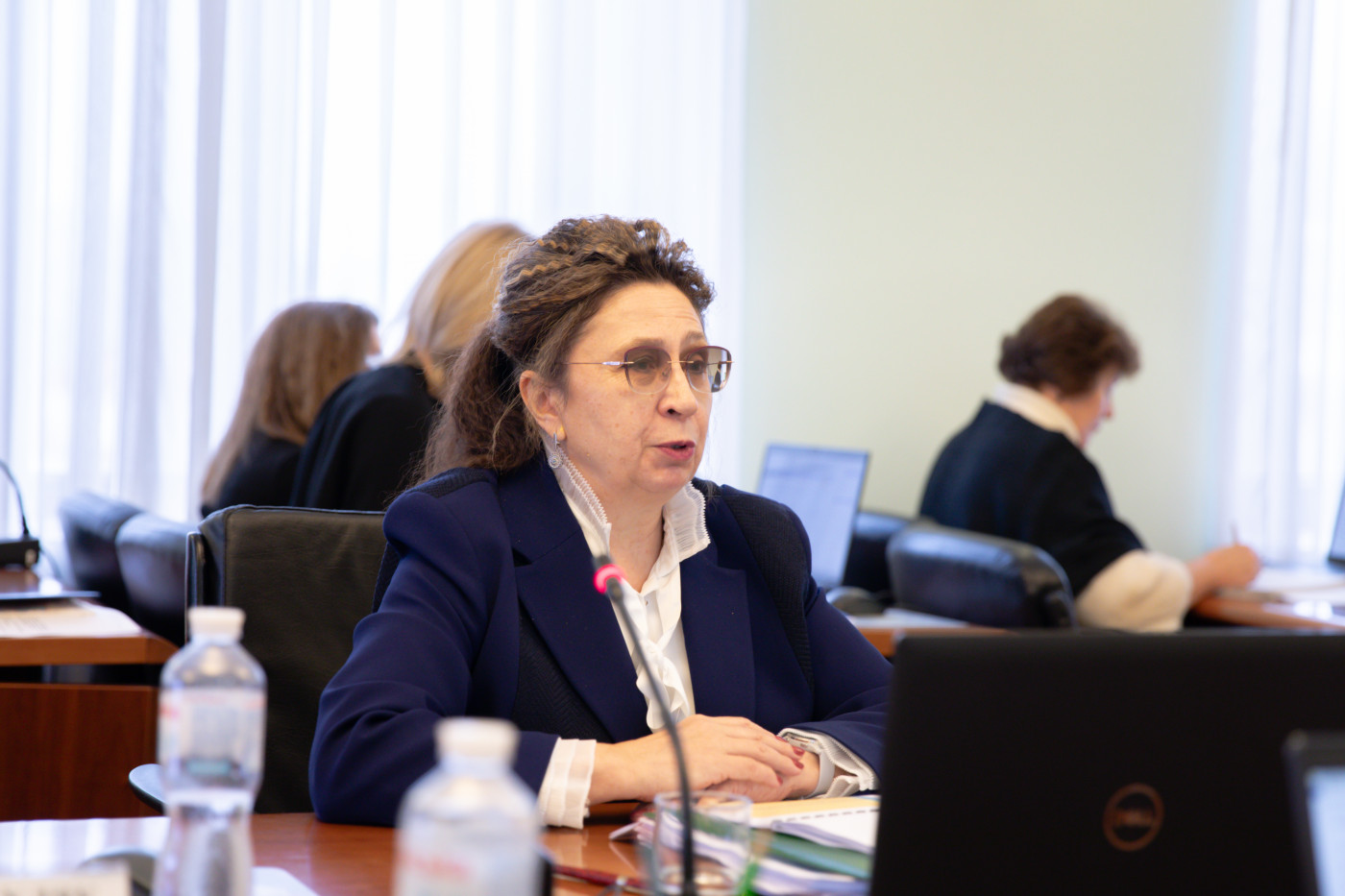
The implementation of the quality management system in the Accounting Chamber is consistent with the provisions of international standards ISSAI 130 "Ethical Rules", ISSAI 140 "Quality Control for SAIs", ISSAI 150 "Auditor Competence". This system complies with the principles of INTOSAI, and is also a factor in achieving the main goal – improving the effectiveness and efficiency of the Accounting Chamber by improving the quality of audits.
The assessment of the quality management system is carried out to ensure its continuous development and improvement by providing an objective critical assessment and recommendations for each of its elements:
- leadership and responsibility;
- ethical values;
- strategic and operational (annual) planning;
- human resources;
- conducting audits;
- monitoring the effectiveness and efficiency of the quality management system.
Leadership and responsibility
During the year, effective communication, cooperation and interaction regarding the quality of work was established between the Chairman and members of the Accounting Chamber, the Secretary of the Accounting Chamber - the head of the staff, heads of structural divisions of the institution's staff and other stakeholders. The Chairman of the Ethics Committee and the Quality Commissioner were also elected.
This made it possible to formalize and implement a whole range of policies, orders and procedures at all organizational levels in the work of the Accounting Chamber in a short period of time, improve the system of risk-oriented strategic and operational (annual) planning, ensure the conduct of audits in accordance with international standards, the functioning of the quality management system, including HOT and COLD review procedures, as well as a systematic assessment of its effectiveness.

Ethical values
The Accounting Chamber has adopted and implemented the Code of Ethics, ensured the formation and functioning of the Ethics Committee, developed and implemented methodologies and techniques that regulate compliance with ethical requirements and prevent the emergence of real or potential conflicts of interest during state external financial control (audit) activities.
The analysis of the functioning of the ethics system in the Accounting Chamber has identified issues that need to be resolved and specified, in particular, determining those responsible for performing tasks and implementation mechanisms aimed at the functioning of the ethics control system, regulating and standardizing the issue of preventing and managing ethical risks.
Strategic and operational (annual) planning
The Accounting Chamber has implemented the necessary internal regulatory documents that define the processes of strategic and annual planning. They are based on a risk-based approach and a needs assessment that covers the main areas of activity of the Accounting Chamber, as well as on identifying areas that need to improve quality and efficiency.
2024 became the year of practical application of new procedures for strategic and annual planning. In accordance with the Annual Planning Procedure, the Accounting Chamber's work plan for 2025 was formed, based on a sectoral analysis of economic sectors.
The practical experience of annual planning under the new procedure has demonstrated the positive aspects and effectiveness of the application of a risk-based approach. At the same time, it was established that certain procedures need to be specified: assessment of risks identified based on the results of the sectoral analysis and prioritization of topics for control measures (audits); provision of the planned control measures (audits) with the necessary human resources with appropriate competencies; involvement of territorial departments.
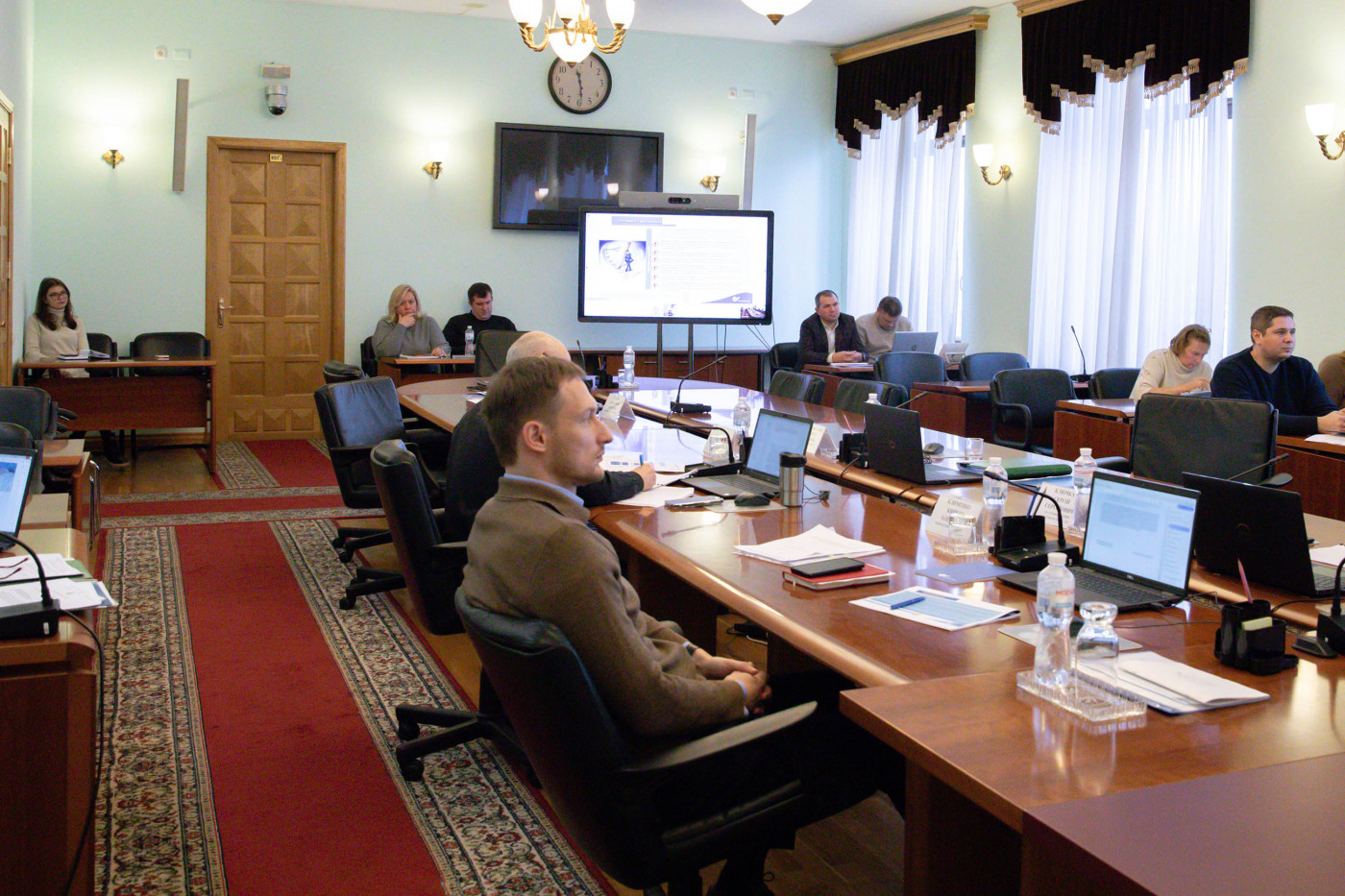
Human Resources
In 2024, the Accounting Chamber completed the development of a competency model in accordance with the International Standard ISSAI 150. Currently, a procedure for its integration into the functioning human resources management system is being developed.
Training and advanced training of the Accounting Chamber's employees is ongoing, in particular, on the application of new methodologies for conducting audits (financial, compliance, efficiency),methods for writing audit reports, etc.
At the same time, due to changes in relevant legislation, the Accounting Chamber needs to increase the number of personnel who have the appropriate competence and qualifications necessary to perform tasks in accordance with professional standards, as well as to ensure the provision of high-quality audit services. It also requires the development of the Human Resources Management Strategy of the Accounting Chamber as a document that defines the human resources planning system, the productivity management system, the program of continuous professional development of auditors and other employees of the Accounting Chamber, and the system of personnel retention and rotation.
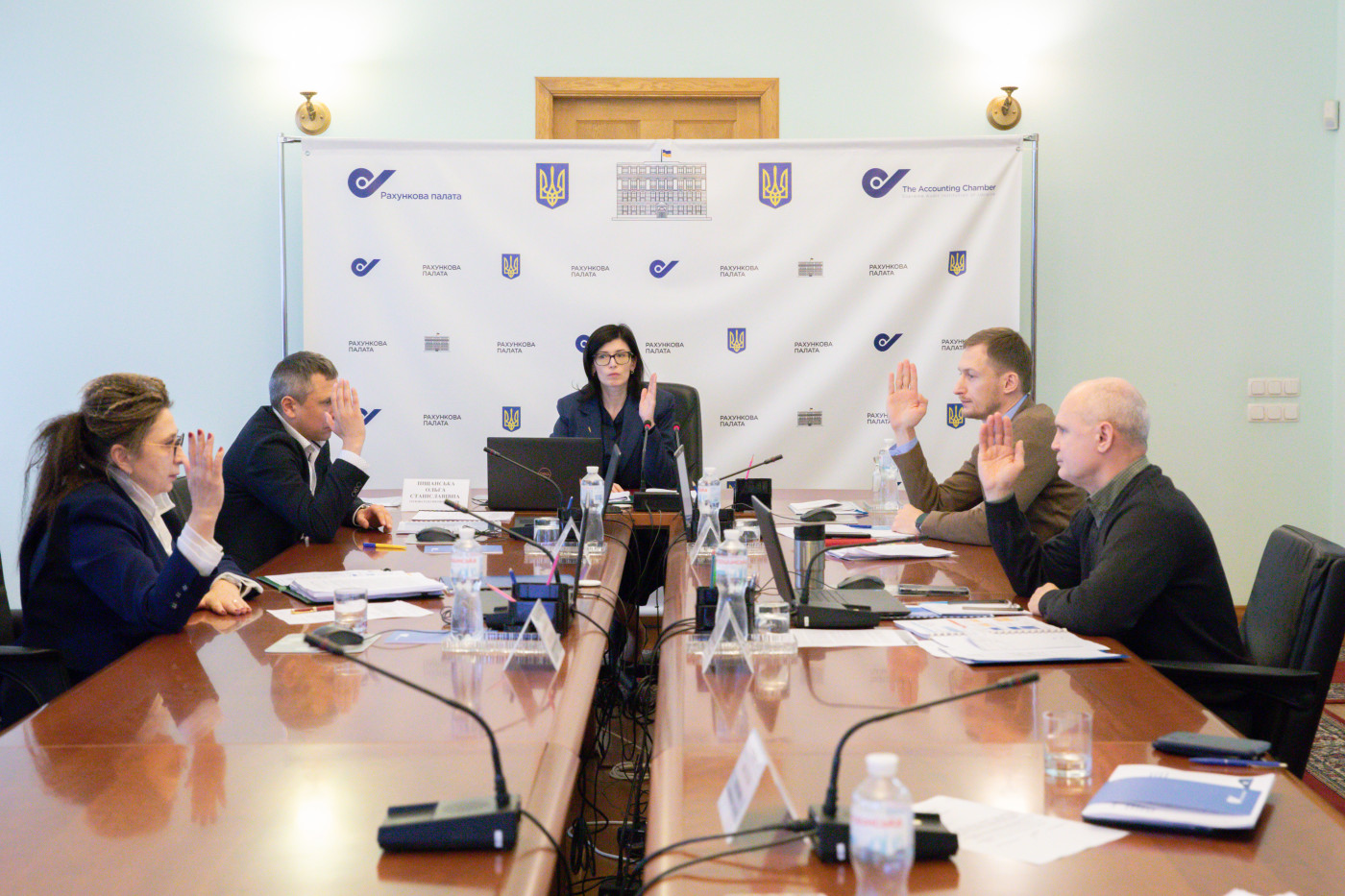
Audit quality control policies are implemented and maintained, covering all stages of the audit process, including planning, execution, and reporting. Supervision procedures are implemented during state financial control (audit) activities in the Accounting Chamber, as well as organization and implementation of audits quality checks (HOT review). Feedback from the heads of structural units conducting audits confirmed the effectiveness and efficiency of the implemented policies and quality control procedures under the new methodology.
The practice of applying audit methodologies has revealed certain issues that require consideration and/or improvement, in particular regarding:
- the feasibility of implementing systematic (legal and methodological) support for the entire process of conducting a control measure (audit);
- making changes to the approved audit methodologies by eliminating inconsistencies between individual documents (methodologies, algorithms and appendices thereto) and methodologies of various types of audits;
- using questionnaires for quality supervision by members of the Accounting Chamber; creation and functioning of a commission to resolve controversial issues arising in the process of conducting control measures (audits),etc.
Monitoring the effectiveness and efficiency of the quality management system
The Accounting Chamber approved documents that define the principles and structure of the quality management system, in particular the Regulations on the Expert Group for Quality Assurance of Completed Measures of State External Financial Control (Audit), The Procedure for Quality Assurance of Completed Measures of State External Financial Control (Audit). In addition, the staff of the expert group was selected. In accordance with this Procedure, the quality of completed audits was checked for the first time (COLD review).
The internal assessment of the functioning of the quality management system in the Accounting Chamber has been fully implemented, however, the organization and functioning of the external assessment require further development and adoption of appropriate decisions on its implementation.
The procedure for feedback to control objects regarding the assessment of the work of the Accounting Chamber, consideration of comments or statements, statements regarding the quality of the work of the Accounting Chamber (election of a responsible person, appropriate documentation of this activity) will need to be studied and discussed.
«This report summarizes the measures already implemented to bring the activities of the Accounting Chamber closer to international standards. It also outlines a number of issues that need to be improved. These measures affect the reputation of the Accounting Chamber and the level of trust in it as an authoritative professional supreme audit institution,&rdash; notes Yelizaveta Pushko-Tsybulyak.