“The greatest risks arise at the intersection of processes”: Olha Pishchanska presented the experience of auditing in the defence sector during wartime to the international audit community
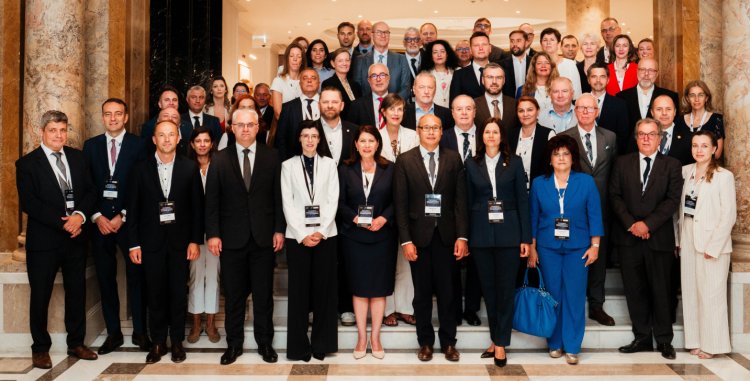
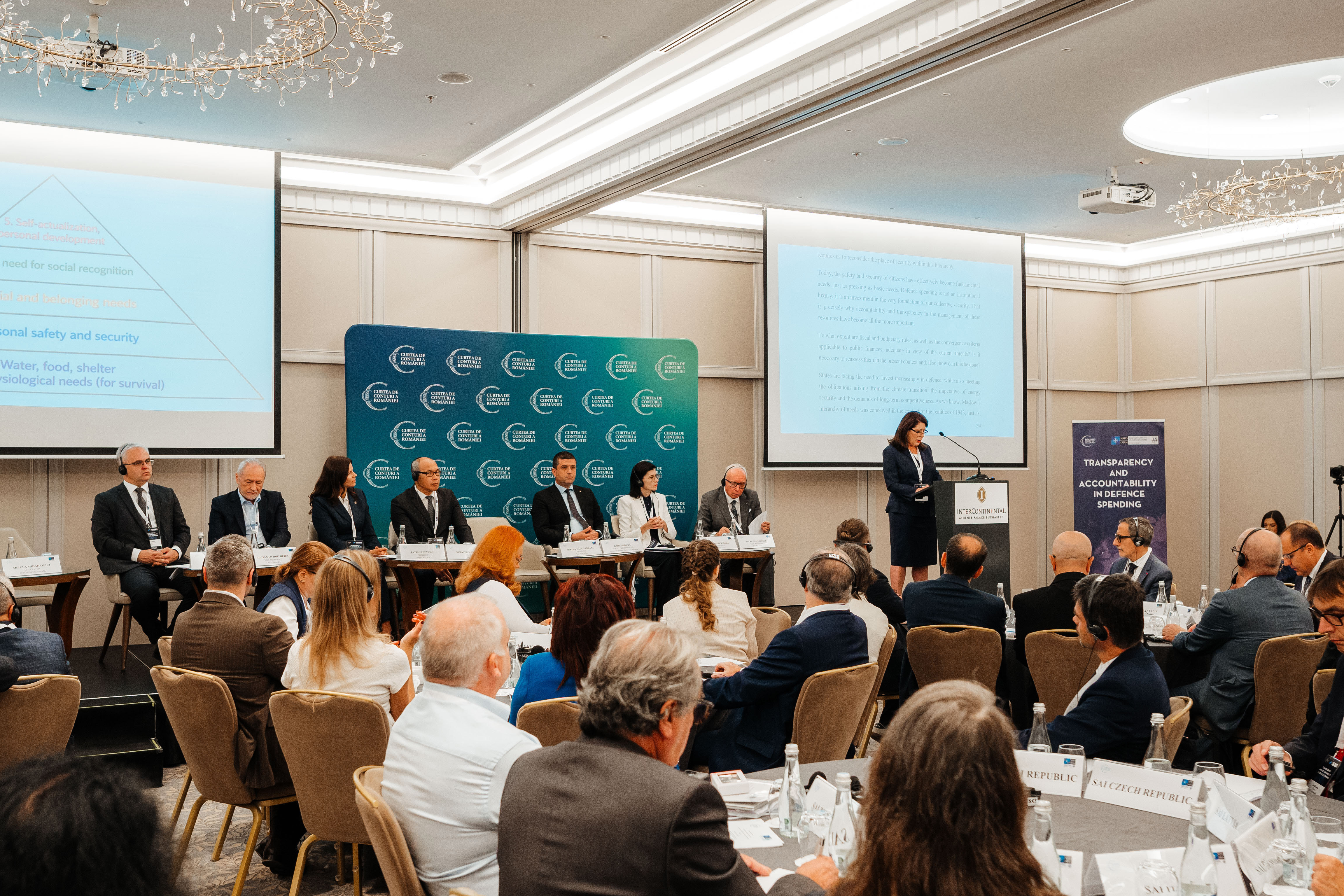
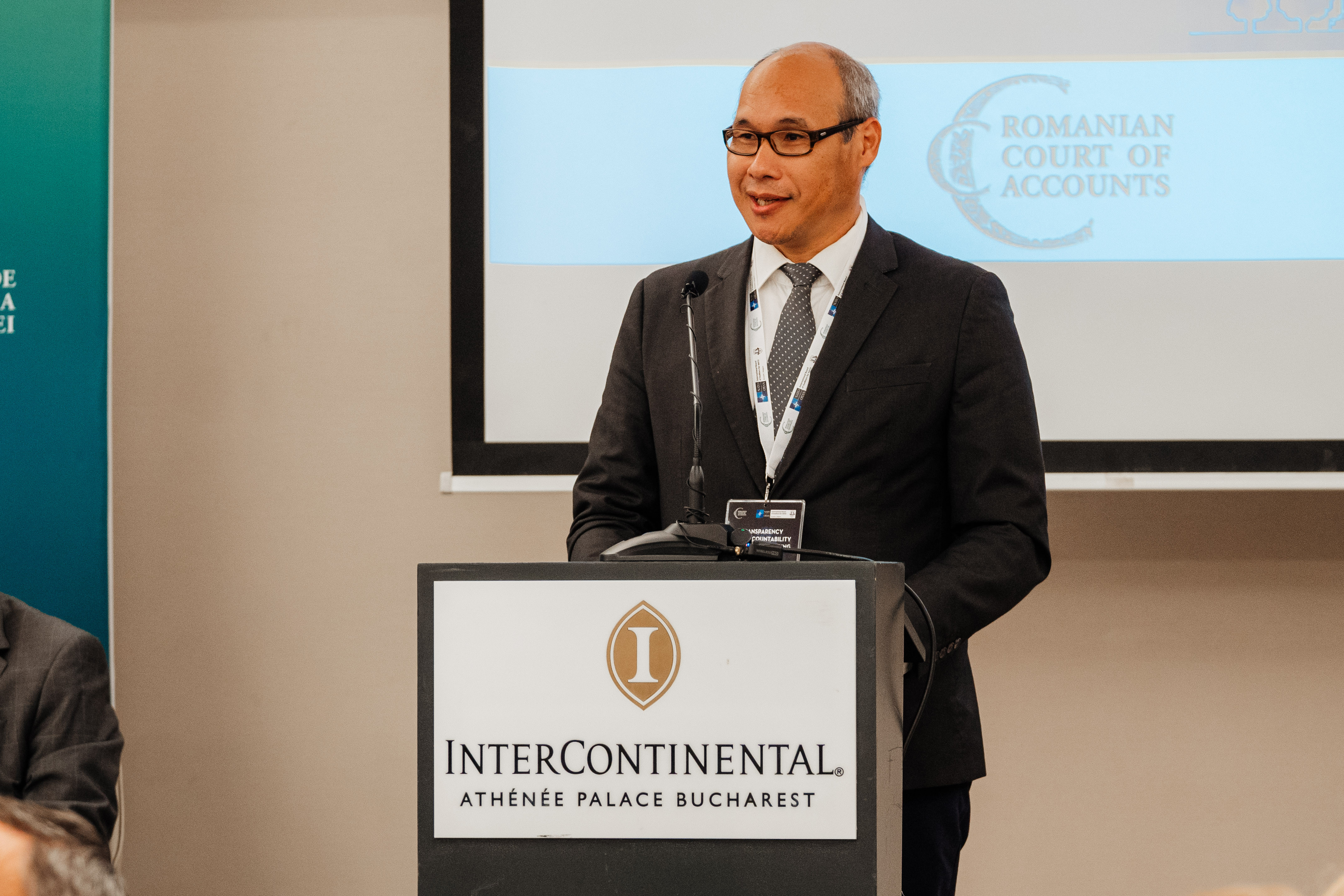
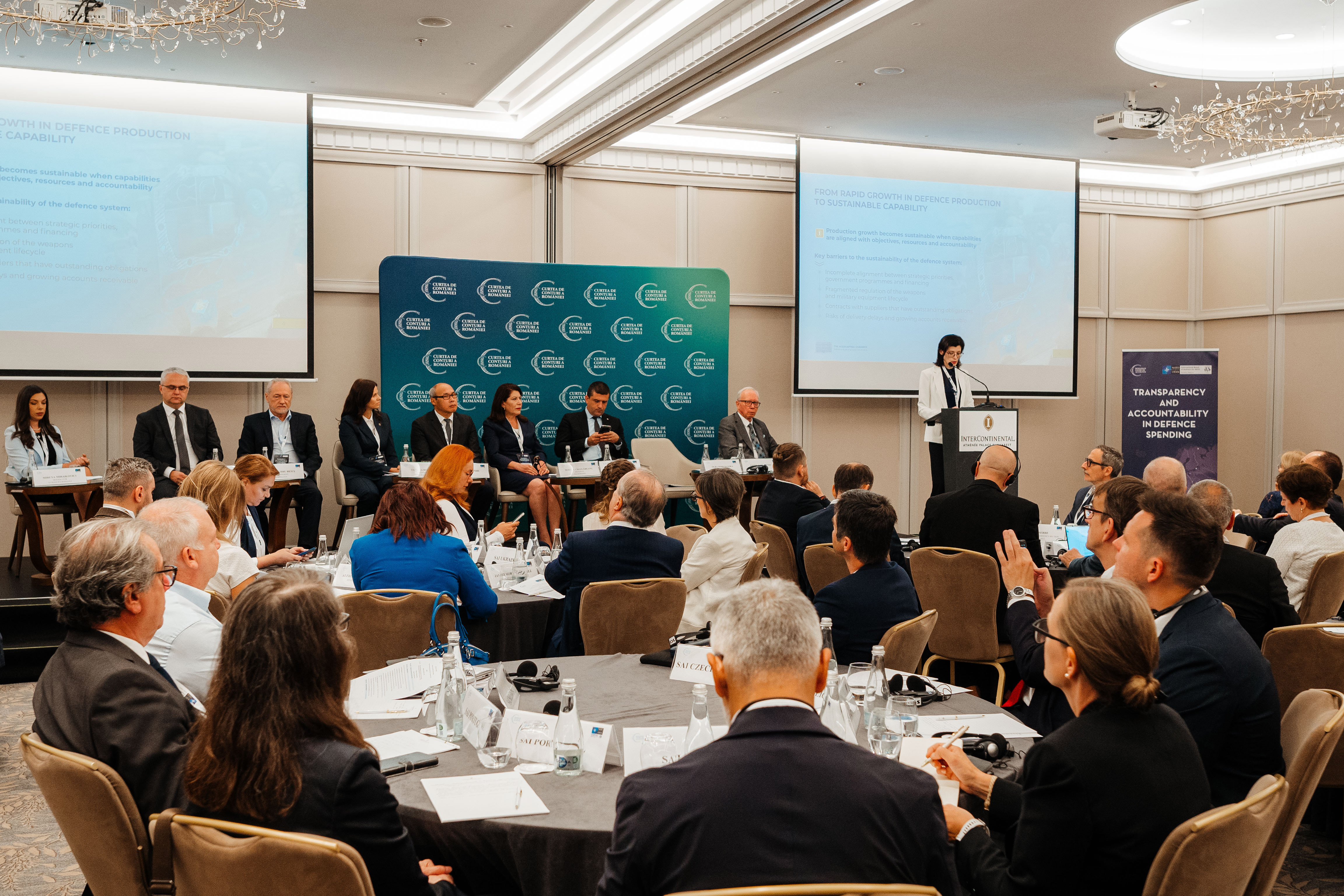
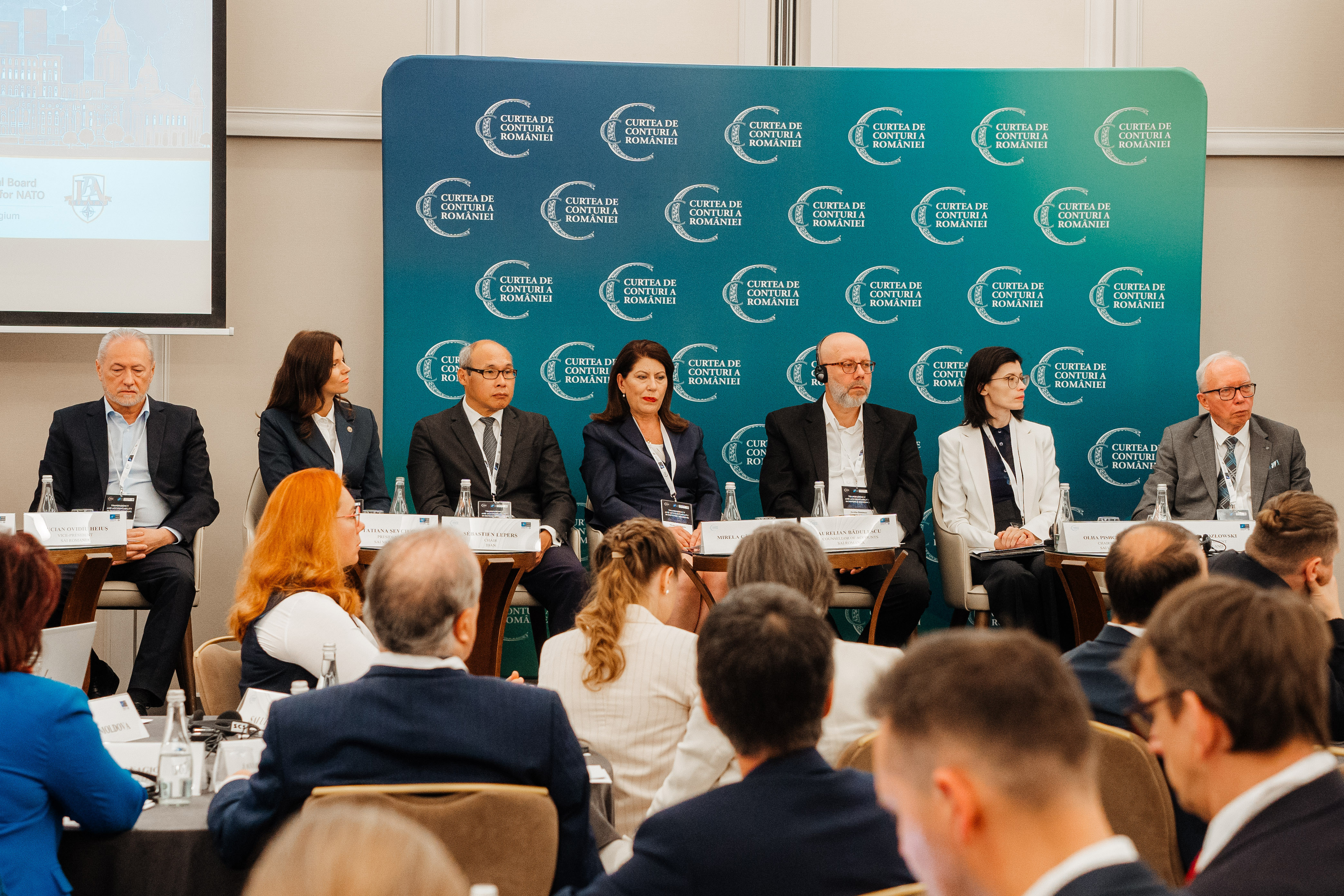
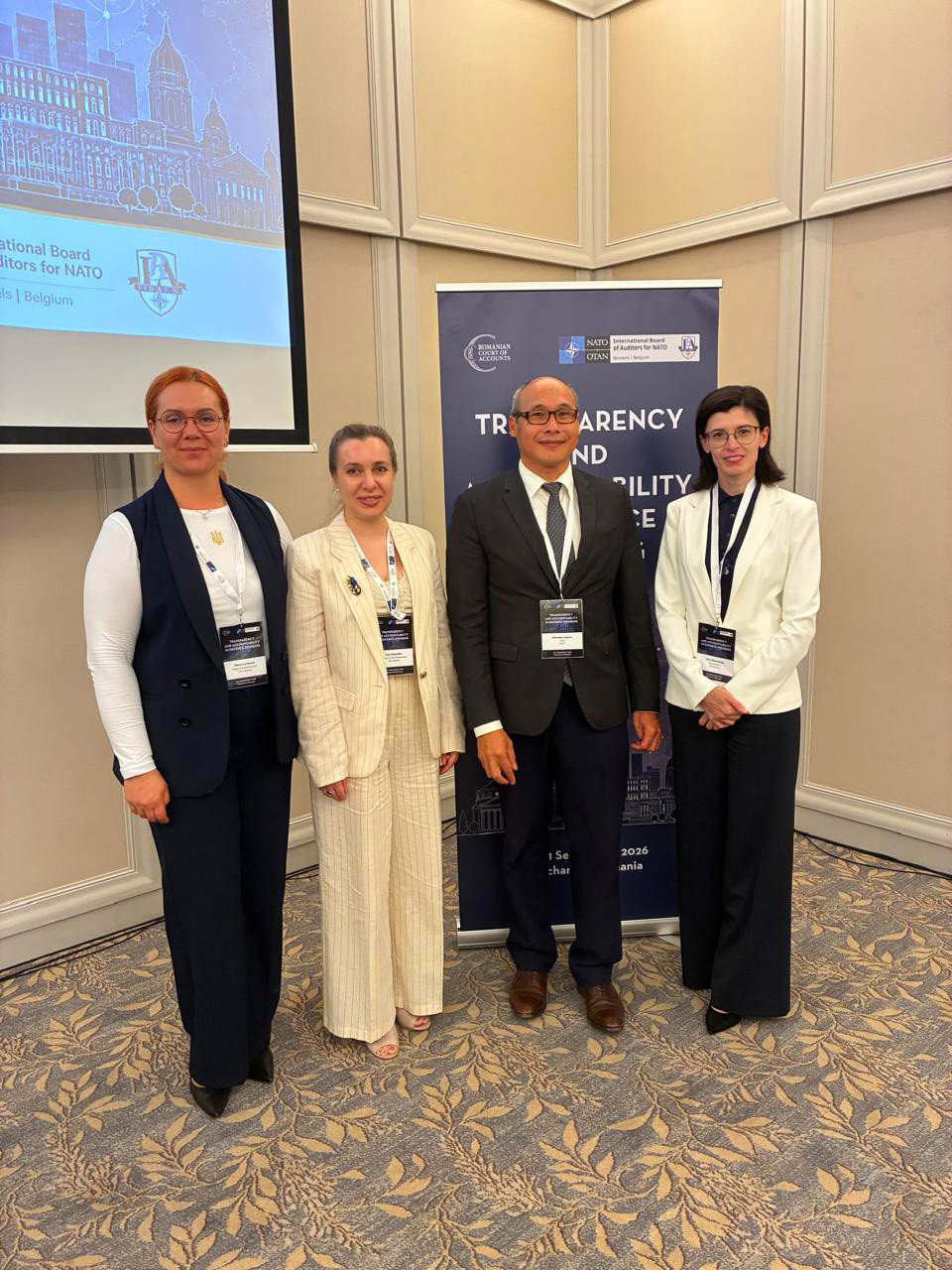
The International Conference “Transparency and Accountability in Defence Spending” was held on 10–11 September in Bucharest, Romania. The event was organised with the support of the Court of Accounts of Romania and the International Board of Auditors for NATO (IBAN).
Representatives of the supreme audit institutions of Moldova, Estonia, Latvia, Poland, France, the United States and Ukraine, as well as the European Court of Auditors, the INTOSAI Development Initiative and the Organisation for Economic Co-operation and Development, discussed the audit of defence spending and NATO common funds, the assessment of the effectiveness of defence programmes, the contribution of supreme audit institutions to resource management, as well as the balance between public accountability and the protection of sensitive information.
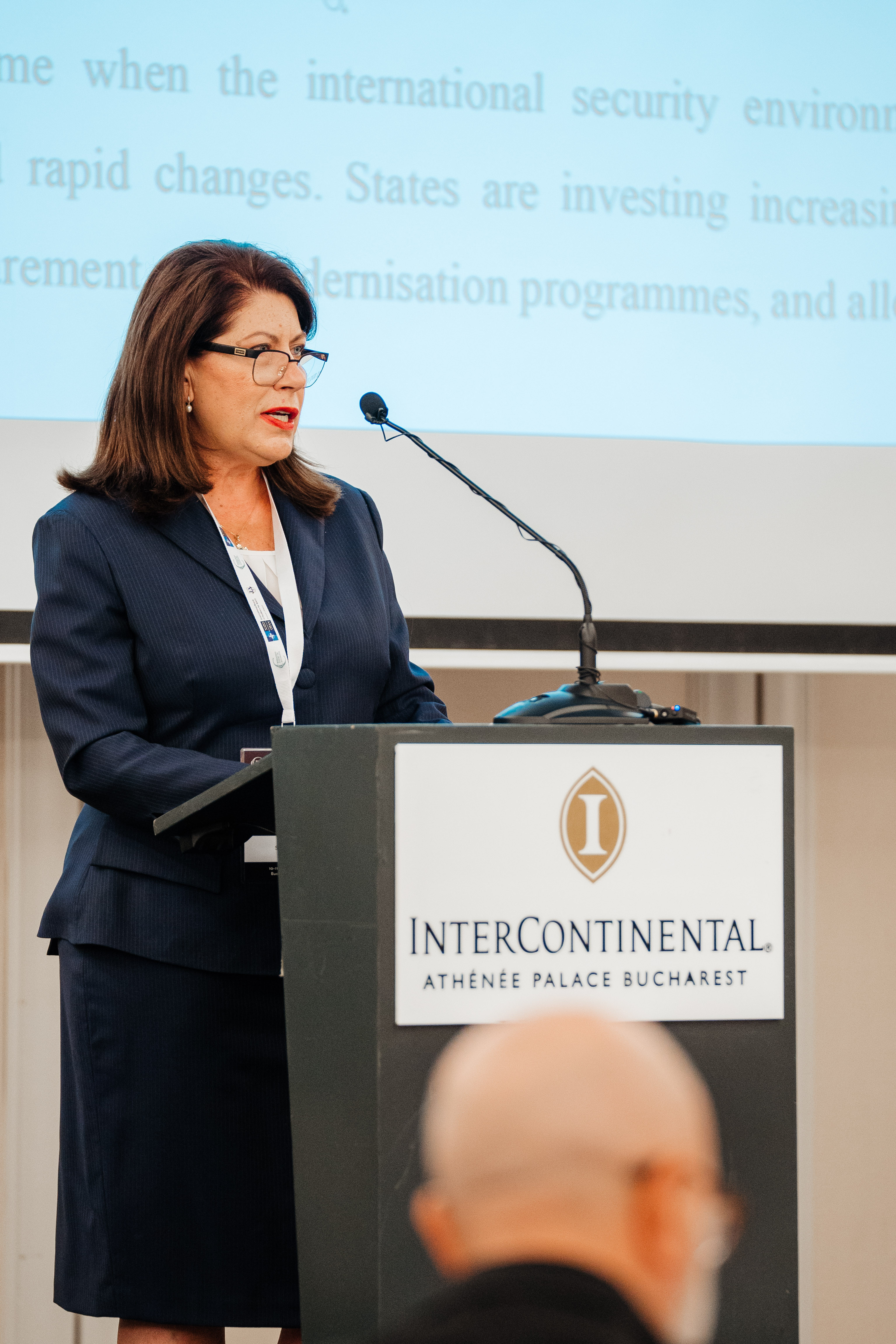
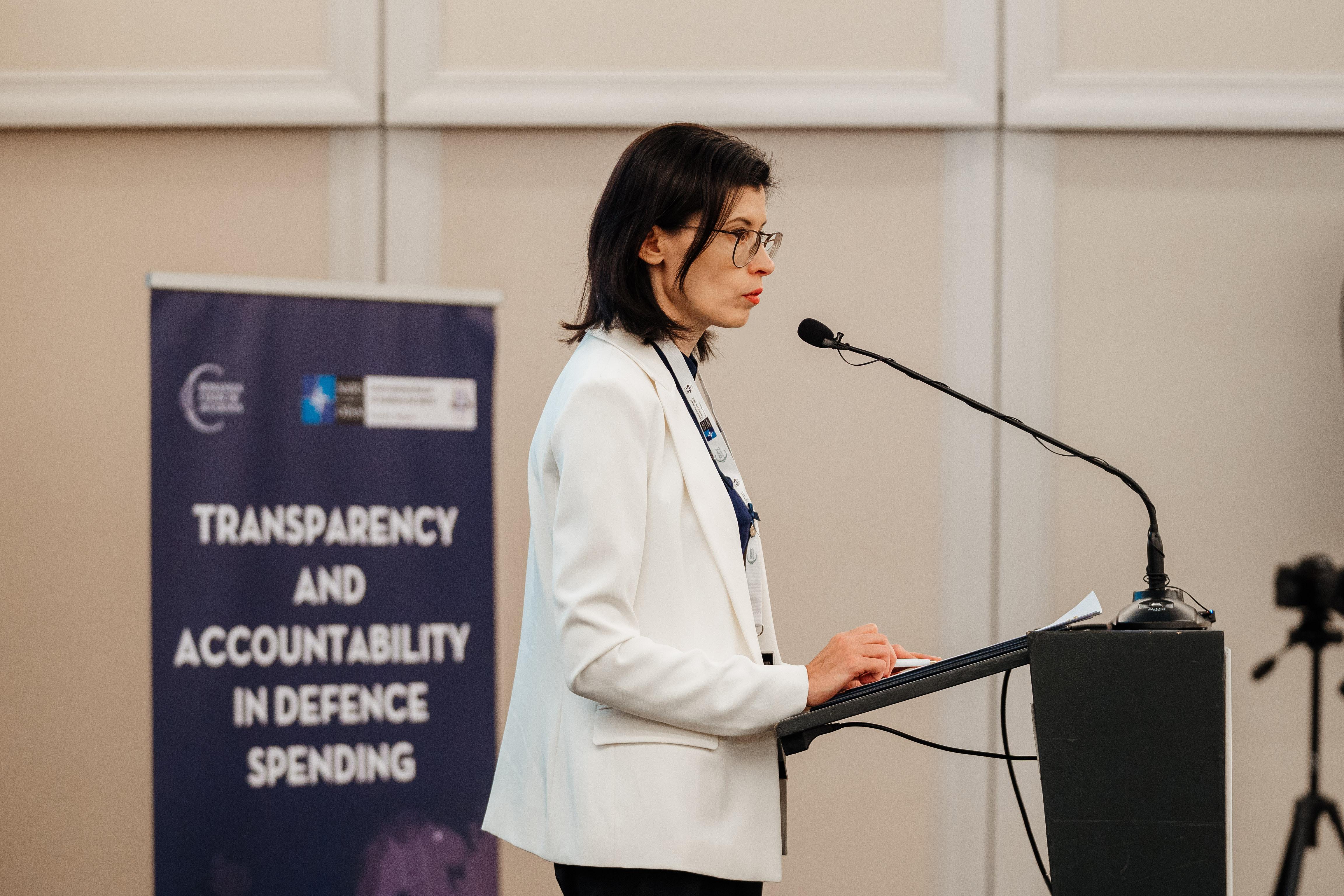
During her speech at the conference, Olha Pishchanska presented the experience of the Accounting Chamber of Ukraine in the defence sector, developed under the conditions of the full-scale war.
In recent years, the Accounting Chamber of Ukraine has covered a wide range of issues through its audits: from the mobilisation readiness of the economy and management of the development of the defence industry to the development of military capabilities, fortifications, logistical support and the protection of critical energy infrastructure.
The focus of the speech was on the consolidated conclusions and professional approaches developed during audits of different links in defence support. This made it possible to add practical content to the international discussion: to demonstrate real management challenges, the specific features of obtaining audit evidence and establishing the causes of identified deviations during wartime, while complying with the requirements for the protection of sensitive information.
For example, an audit of public administration of the development of the defence industry showed that the production capabilities of the sector were growing faster than the system for managing them was being restructured. An audit of the procurement of unmanned systems identified shortcomings in the justification of costs, the making of advance payments and compliance with delivery deadlines at a time when frontline needs and the characteristics of equipment are changing faster than procurement cycles.
And an audit of logistical procurement showed that the system was focused on the course of procurement, while the final result for military personnel remained outside the assessment, the Chairwoman of the Accounting Chamber of Ukraine noted.
Olha Pishchanska also listed the changes in management processes introduced during and as a result of these audits. In particular, the Ministry of Defence of Ukraine began taking into account the performance ratings of unmanned systems, data from the DOT-Chain system, production capabilities and delivery timelines when planning procurements. The state-owned enterprise of the Ministry of Defence of Ukraine, “Defence Procurement Agency”, introduced the full calculation and presentation of penalties, automated the relevant calculations and created an analytical dashboard for monitoring deliveries.
The Chairwoman of the Accounting Chamber of Ukraine paid particular attention to obtaining audit evidence under wartime conditions. The loss of documents, archives and information systems, security restrictions and the need to protect classified information require additional audit procedures. According to the Accounting Chamber’s internal assessments, wartime circumstances extend the conduct of such audits by an average of 25–30%.
“Ukraine’s experience of auditing during wartime shows that the greatest risks arise at the intersection of processes: between a strategic objective and financing, a military need and a procurement decision, a contract and an actual delivery. In modern warfare, the speed and quality of decision-making directly determine the defence capability of the state. Deviations from initial plans under such conditions are inevitable; however, the soundness of decisions and accountability for the result must remain mandatory,”Olha Pishchanska emphasised, summarising her speech.
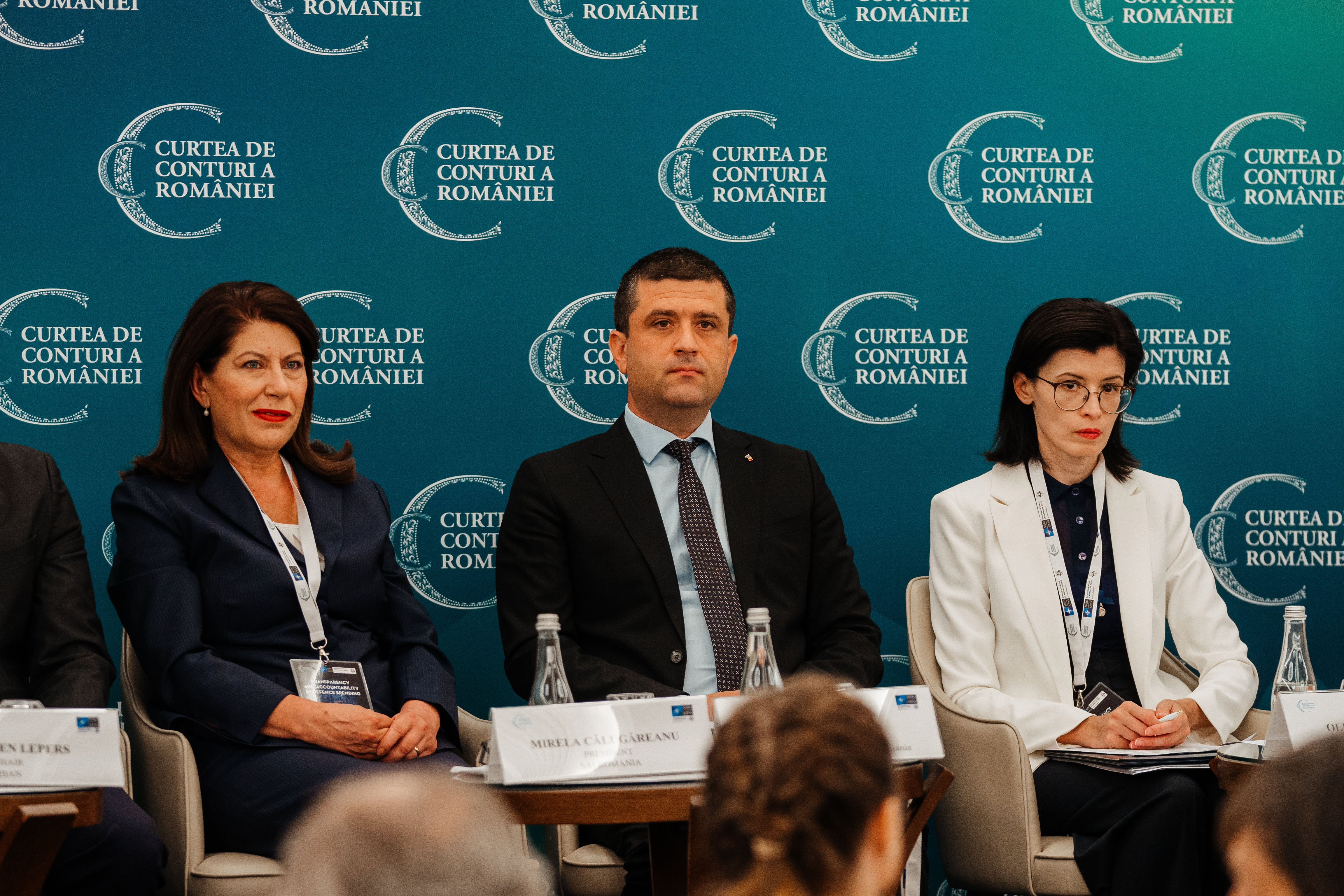
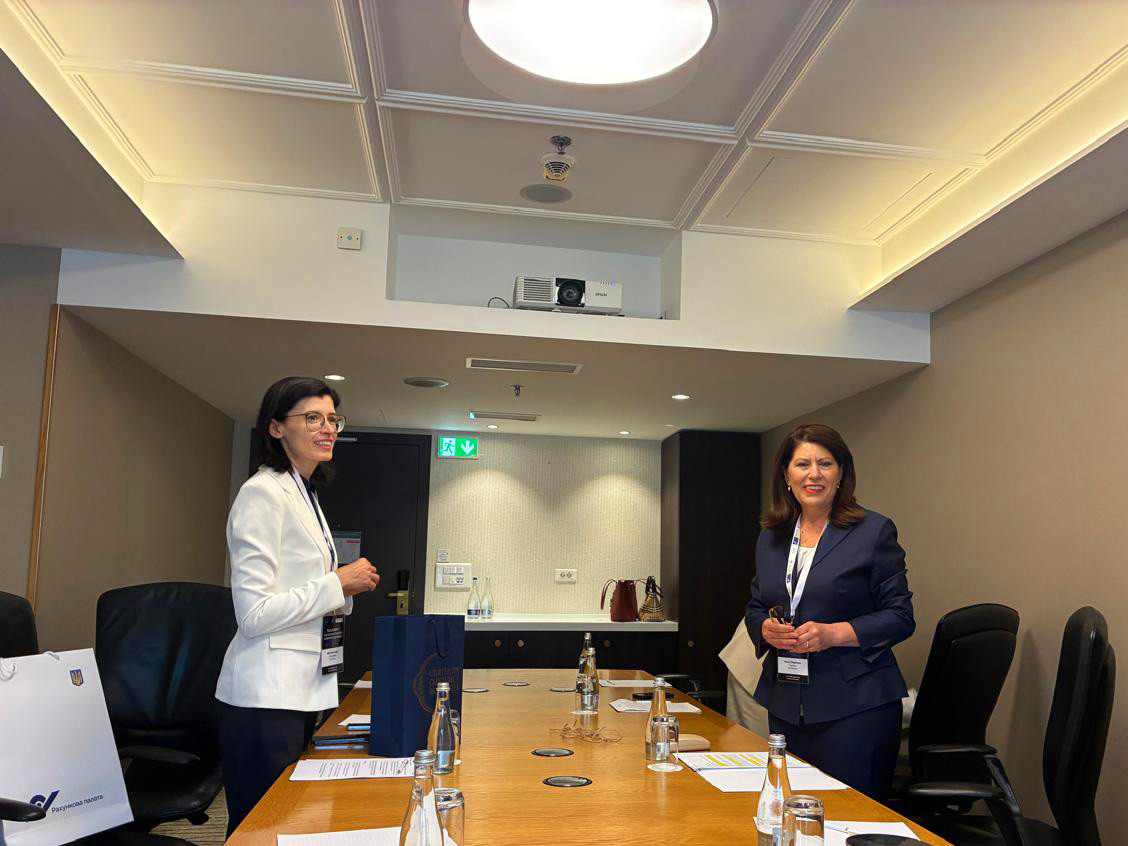
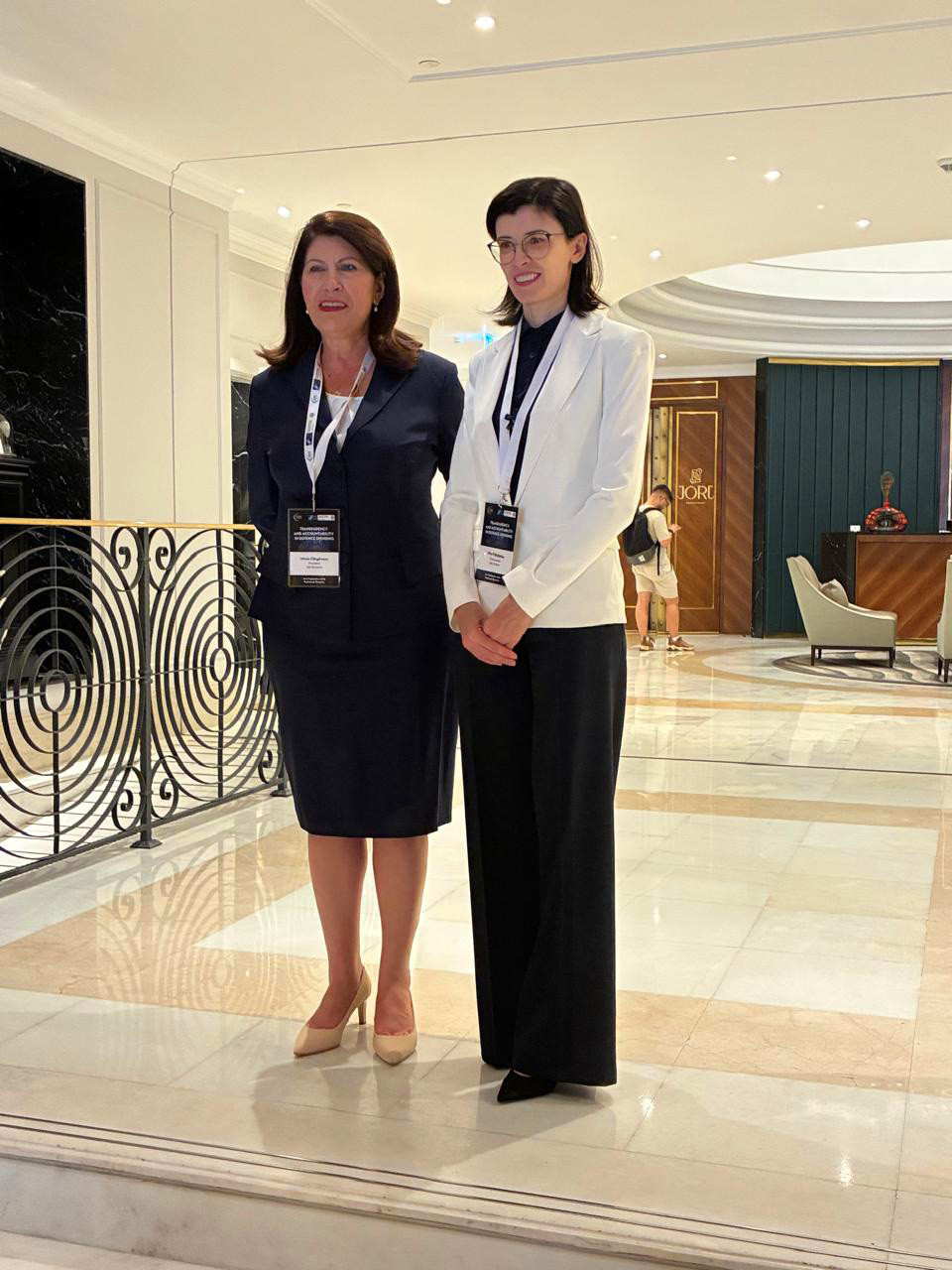
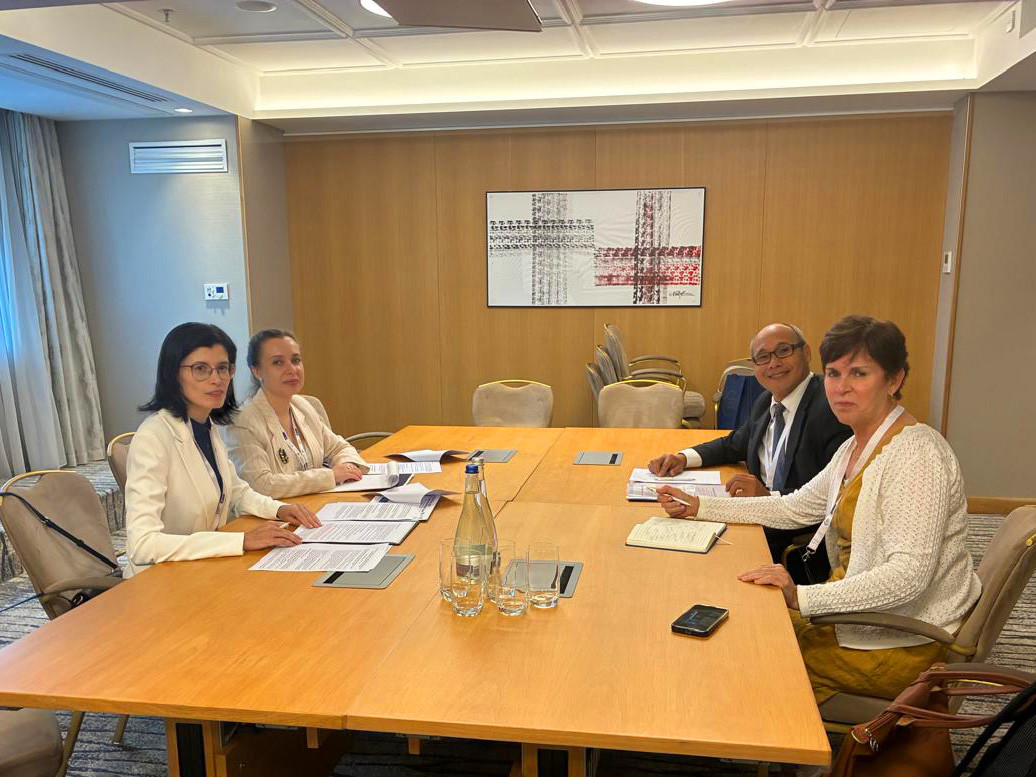
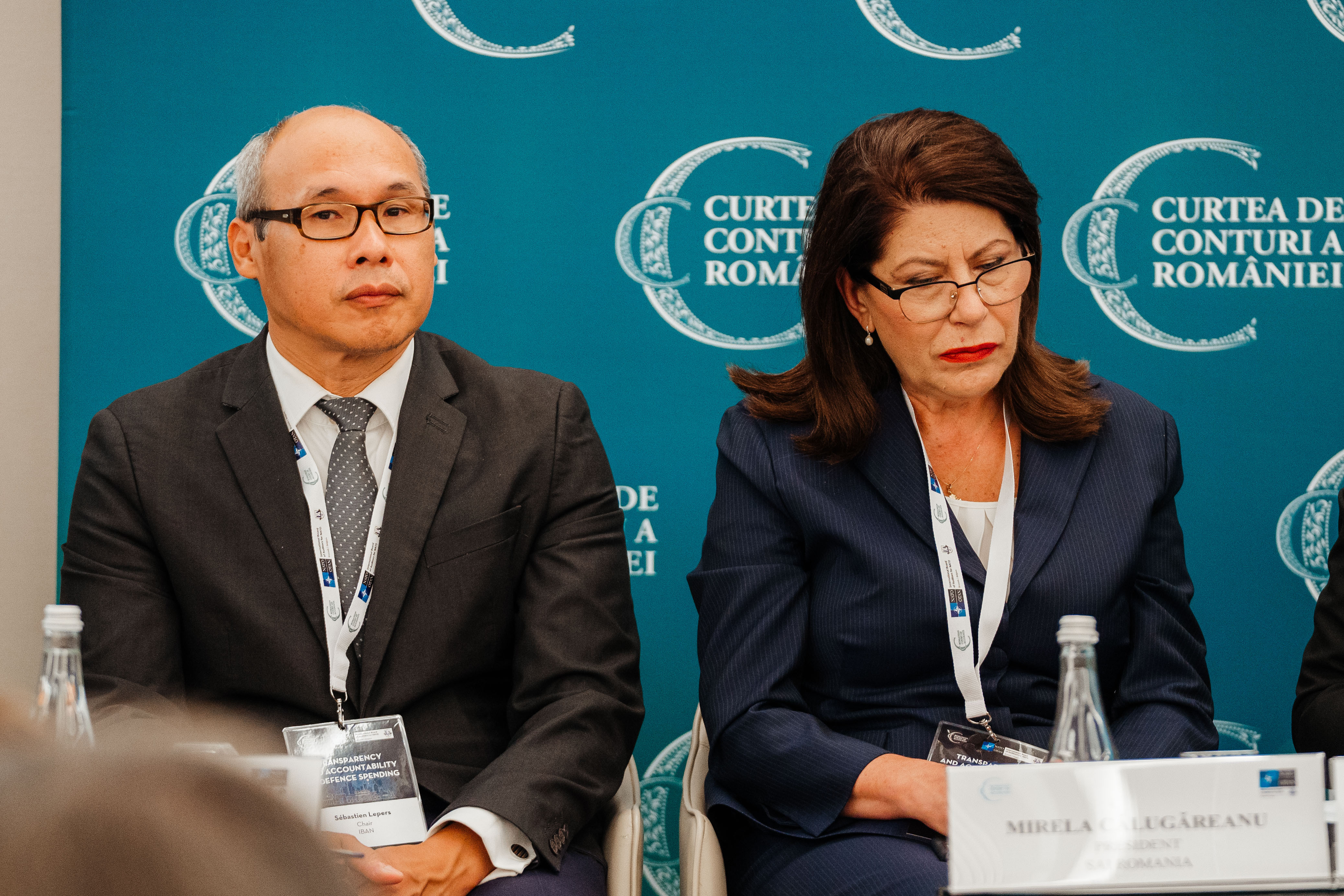
Also, on 10 September, during a meeting with Sébastien Lepers, Chair of IBAN, and Viveka Norman, Member of the IBAN Board, the development of cooperation between the institutions was discussed. And at a bilateral meeting with Mirela Călugăreanu, President of the Court of Accounts of Romania, the parties discussed preparations for a coordinated international audit of the Joint Operational Programme “Romania–Ukraine 2014–2020”.
Earlier, the Accounting Chamber of Ukraine and the International Board of Auditors for NATO signed a Memorandum of Understanding on cooperation. The document provides for the possibility of conducting joint audits by mutual agreement of the parties and on the basis of separate bilateral arrangements.